




How to preserve summer tomato harvest for winter meals, naturally?
Savoring Summer’s Bounty Year-Round
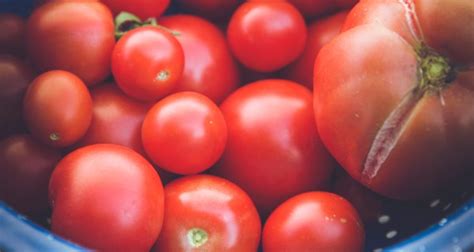
There’s nothing quite like the taste of a sun-ripened summer tomato, bursting with sweet, tangy flavor. As the season winds down, many home gardeners and market enthusiasts find themselves with an abundance of these juicy gems, wondering how to extend their deliciousness into the colder months. Fortunately, preserving your tomato harvest naturally is easier than you might think, allowing you to enjoy that taste of summer long after the last vine has withered.
Why Preserve Tomatoes Naturally?
Opting for natural preservation methods means enjoying your tomatoes without any artificial additives or preservatives. It’s a wonderful way to control what goes into your food, ensuring wholesome and nutritious meals for your family. From vibrant sauces to robust stews, naturally preserved tomatoes form the backbone of countless winter dishes, bringing warmth and flavor to your table when fresh produce is scarce or expensive.
Freezing: The Easiest Path to Preservation
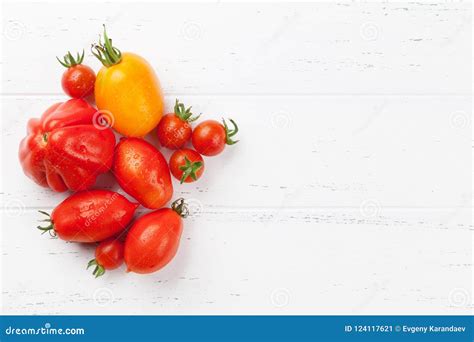
Freezing is arguably the simplest and least labor-intensive way to preserve tomatoes, maintaining much of their fresh flavor. You can freeze them whole, diced, or pureed.
Freezing Whole: For paste tomatoes (like Roma or San Marzano), simply wash, dry, and place them on a baking sheet in a single layer until solid. Once frozen, transfer them to freezer bags. When ready to use, run under warm water, and the skin will slip right off. These are perfect for sauces and soups.
Freezing Diced or Pureed: For larger, juicier varieties, core and dice them, or blend them into a puree. Freeze diced tomatoes on a baking sheet before transferring to bags, or pour puree into ice cube trays or freezer-safe containers. This method offers ready-to-use portions for various recipes.
Canning: The Classic Way to Store
Canning provides shelf-stable tomatoes that are ready to use anytime. While it requires a bit more effort upfront, the reward is a pantry stocked with jars of crushed tomatoes, diced tomatoes, or homemade tomato sauce. A water bath canner is sufficient for tomatoes due to their natural acidity, but always ensure proper sterilization and add a touch of lemon juice or citric acid for safety.
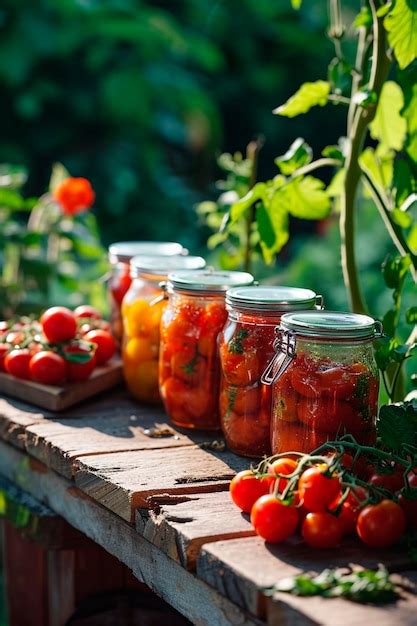
Diced or Crushed Tomatoes: Blanch, peel, and chop your tomatoes. Pack them into sterilized jars, leaving appropriate headspace, and add a teaspoon of lemon juice per pint. Process in a water bath canner according to guidelines for your altitude.
Tomato Sauce: Cook down peeled and seeded tomatoes with your desired herbs and spices until thickened. Ladle hot sauce into sterilized jars, ensuring proper headspace, and process in a water bath canner. This creates a versatile base for countless winter recipes.
Drying: Concentrating Their Essence
Drying tomatoes intensifies their flavor, turning them into chewy, sweet, and savory morsels. Sun-drying is the most traditional and natural method, but an oven or food dehydrator also works beautifully.
Sun-Drying: Slice tomatoes thinly (about ¼ inch) and arrange them on screens or racks. Cover with netting to protect from insects and dry in direct sunlight for several days, bringing them indoors at night. They are ready when leathery but still pliable.
Oven or Dehydrator Drying: Slice tomatoes and arrange them on racks. Dry at a low temperature (around 130-150°F or 55-65°C) for several hours until dry and flexible. Store dried tomatoes in airtight containers, or pack them in olive oil in jars (refrigerated) for an extra burst of flavor.

Roasting: Adding Depth Before Preserving
Roasting tomatoes before freezing or canning adds an incredible depth of flavor. The caramelization enhances their sweetness and creates a rich, smoky profile that will elevate your winter dishes.
Halve or quarter your tomatoes, toss them with a little olive oil, salt, and pepper, and roast at a high temperature (around 400°F or 200°C) until softened and slightly browned at the edges. Once cooled, you can freeze the roasted tomatoes in portions or use them directly in canning recipes like roasted tomato sauce.

Tips for Successful Natural Preservation
- Choose Wisely: Always start with ripe, blemish-free tomatoes for the best flavor and safety.
- Cleanliness is Key: Sterilize all jars, lids, and equipment when canning to prevent spoilage.
- Proper Storage: Store frozen tomatoes at 0°F (-18°C) or below. Canned goods should be stored in a cool, dark place. Dried tomatoes need an airtight container.
- Label Everything: Include the date and contents on all preserved goods so you know what you have and when it was made.

Enjoying Your Winter Harvest
With a little effort and these natural preservation techniques, you can enjoy the unparalleled taste of summer tomatoes throughout the year. Imagine a hearty pasta sauce made with your own canned tomatoes, a vibrant soup enhanced by frozen diced tomatoes, or a flavorful salad boosted by sun-dried gems. Your winter meals will thank you for extending the joy of your summer harvest.