


What’s the secret to perfectly fluffy homemade biscuits every time?

There’s nothing quite like a warm, flaky, and impossibly fluffy biscuit, fresh from the oven. While store-bought versions can be convenient, they simply can’t compare to the tender crumb and rich flavor of a homemade biscuit. Many home bakers shy away, fearing a dense or dry result, but the truth is, achieving biscuit perfection is less about magic and more about mastering a few key techniques.
The Foundation: Quality Ingredients and Their Temperature
The journey to a perfect biscuit begins with your ingredients. All-purpose flour is standard, but some swear by a lower-protein Southern-style self-rising flour. The real star, however, is the fat – typically unsalted butter, though shortening or a combination can also be used. Crucially, your butter (or fat) and liquid (buttermilk is ideal for flavor and tenderness) must be COLD. Ice-cold butter creates pockets of steam as it melts in the hot oven, which is essential for that signature flakiness and lift. Cold buttermilk reacts perfectly with baking soda to provide ample leavening.

Mastering the Mix: Gentle Handling is Non-Negotiable
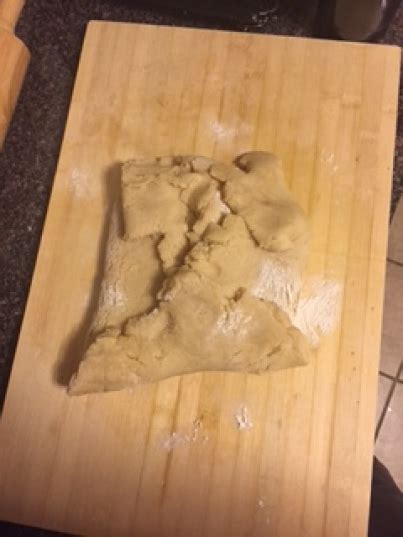
Once you’ve cut your cold fat into your dry ingredients (using a pastry blender, two knives, or your fingertips), the goal is to have pea-sized pieces of butter remaining. The next critical step is adding your cold liquid. Pour it in all at once and mix just until the dry ingredients are moistened. Overmixing develops gluten, leading to tough, dense biscuits – the absolute antithesis of fluffy. A shaggy, slightly sticky dough is exactly what you’re looking for.
The Art of Lamination: Folding for Fluffiness
To truly achieve those incredible layers, a simple folding technique works wonders. Turn your shaggy dough out onto a lightly floured surface. Gently pat it into a rectangle. Then, fold it in thirds, like a letter. Rotate it, and repeat the patting and folding process 2-3 more times. This creates multiple layers of butter and dough, which expand in the oven to give you an incredibly light and airy texture. Avoid pressing down too hard; gentle handling is paramount.

The Cut: Precision for a Perfect Rise
Once your dough is folded and gently patted to your desired thickness (usually around 3/4 to 1 inch), it’s time to cut. Use a sharp biscuit cutter and press straight down – do not twist! Twisting seals the edges of the biscuit, preventing it from rising properly. For the flakiest results, ensure your cutter is lightly floured to prevent sticking. Place the cut biscuits close together on a baking sheet; this helps them rise taller and more evenly.
Baking Hot and Fast
Biscuits love a hot oven. Preheat your oven to a high temperature, typically between 425°F and 450°F (220°C – 230°C). The high heat creates an immediate burst of steam from the cold butter and quickens the leavening agent’s reaction, resulting in a rapid, dramatic rise. Bake until golden brown on top and bottom, usually 12-15 minutes, depending on your oven and biscuit thickness. Brushing with a little melted butter halfway through or at the end can add extra richness and a beautiful sheen.

Conclusion: Practice Makes Perfect Biscuits
The secret to perfectly fluffy homemade biscuits isn’t a single magical ingredient but rather a combination of careful attention to temperature, gentle handling, and strategic dough manipulation. Don’t be discouraged if your first batch isn’t absolutely perfect. Like any good baking skill, biscuit making improves with practice. Soon, you’ll be turning out golden, flaky, and irresistibly fluffy biscuits every single time, ready to soak up gravy, be slathered with jam, or enjoyed simply on their own.