

How to find authentic local food markets while traveling rural routes?
Venturing off the beaten path into rural landscapes offers a unique opportunity to connect with the heart of a destination. While scenic drives and quaint villages are draws, the true essence often lies in its culinary traditions. For food enthusiasts, finding authentic local food markets is a holy grail, providing not just fresh produce but also a vibrant window into the local culture, economy, and community spirit.
Why Local Markets Matter
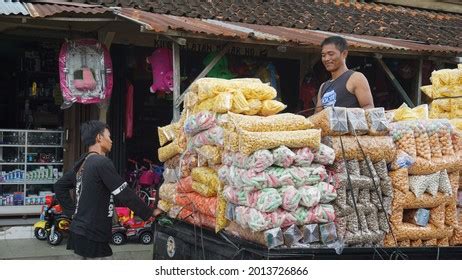
Local food markets are more than just places to buy groceries; they are community hubs, historical sites, and living museums of regional gastronomy. Here, you’ll encounter produce picked just hours before, unique artisanal products, and traditional dishes that might not make it to mainstream supermarkets. These markets support local farmers and producers directly, ensuring you’re contributing to the local economy while savoring the freshest flavors.
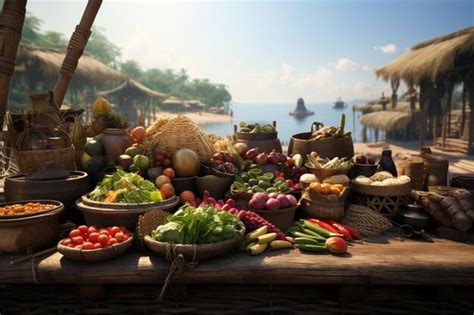
The experience goes beyond taste. It’s about the sights, sounds, and smells – the chatter of vendors, the vibrant colors of seasonal fruits and vegetables, and the aroma of freshly baked bread or brewing coffee. It’s an immersive cultural exchange that supermarket aisles simply cannot replicate.

Pre-Trip Research is Key
Before you even set out on your rural journey, a little groundwork can go a long way. Start by researching specific regions or towns you plan to visit. Websites for local tourism boards, regional agricultural associations, and food blogs are excellent resources. Look for terms like “farmers market,” “flea market” (as they often include food stalls), “mercat,” “marché,” or “feira” depending on the country.
Social media groups dedicated to local travel or food in a specific area can also yield valuable insights. Don’t underestimate the power of a quick search on Google Maps for “farmers market near [town name]” or checking local event calendars online.
On-the-Ground Strategies
Once you’re in the rural area, your investigative skills come into play. The most reliable source of information is often the locals themselves. Strike up conversations with guesthouse owners, cafe baristas, shopkeepers, or even fellow travelers. Ask “Where do locals buy their fresh produce?” or “Is there a market day in town?”

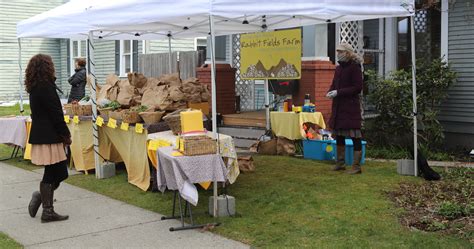
Keep an eye out for tell-tale signs. Look for handwritten posters, banners, or chalkboards advertising “Mercado,” “Fresh Produce,” or “Farm Goods.” Pay attention to traffic patterns; an unusual amount of activity or parked cars in a particular area, especially on a weekend morning, might indicate a market is underway.
Market days are often consistent. Many rural towns designate specific days of the week for their markets – sometimes just once a week. Arriving early is always a good strategy to beat the crowds and ensure the best selection, especially for popular items.
Embrace the Experience
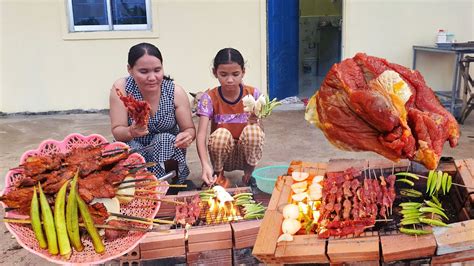
When you finally find a market, don’t just shop; engage. Be open to trying new foods, even if you don’t recognize them. Many vendors are proud to explain their products, offer samples, and share recipes or traditional uses. This interaction is a huge part of the authentic market experience.
Don’t be afraid to haggle gently if it’s culturally appropriate (research this beforehand!), but always be respectful. Even if you don’t buy much, observing the local interactions, the unique produce, and the general atmosphere is a reward in itself. Capture the memories, but remember to ask for permission before taking close-up photos of people.
Practical Tips for Market Exploration
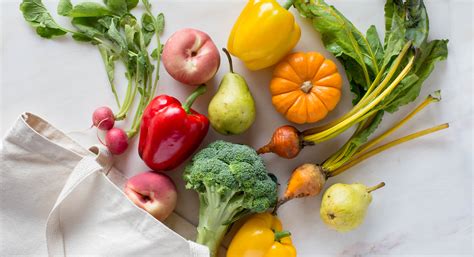
To make your market visit smooth and enjoyable, come prepared. Always carry cash in small denominations, as many rural vendors may not accept card payments. Bring reusable bags or a basket to carry your purchases, reducing plastic waste and making you look more like a local. If you’re planning to buy perishables, consider bringing a small cooler bag, especially if you have a long drive ahead.
A basic grasp of the local language, even just a few phrases like “hello,” “thank you,” and “how much?” can significantly enhance your interactions and show respect for the local culture. Even if language is a barrier, a smile and enthusiastic gestures often bridge the gap.
Finding authentic local food markets while traveling rural routes is an adventure in itself. It requires curiosity, a willingness to engage, and a bit of detective work, but the rewards—fresh, flavorful food and a deeper connection to the local culture—are immeasurable. So, next time you plan a rural escape, make finding a market a priority on your itinerary.