

How to use kitchen scraps to make nourishing, homemade vegetable broth?

Transforming Scraps into Liquid Gold
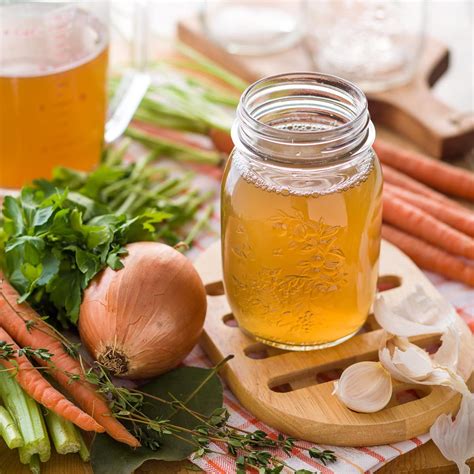
In a world increasingly focused on sustainability and mindful living, the humble practice of turning kitchen scraps into nourishing homemade vegetable broth stands out as a culinary superpower. Not only does it significantly reduce food waste, but it also provides a deeply flavorful and healthier alternative to store-bought varieties, often laden with excess sodium and artificial ingredients. Imagine capturing the essence of countless forgotten vegetable trimmings, stalks, and peels, transforming them into a versatile liquid that will elevate your soups, stews, risottos, and sauces to new heights.

The Best Scraps to Save for Broth
The beauty of homemade broth is its flexibility. Almost any non-starchy, non-bitter vegetable scrap can contribute. Here’s a list of excellent candidates:
- Onion & Garlic Skins/Ends: Essential for deep flavor and color.
- Carrot Peels & Ends: Add sweetness and a vibrant hue.
- Celery Ends & Leaves: A classic aromatic base.
- Mushroom Stems: Impart an umami richness.
- Herb Stems: Parsley, cilantro, thyme, rosemary stems add aromatic depth.
- Bell Pepper Cores/Ends: A subtle sweetness and warmth.
- Leek Greens & Ends: Fantastic for a mild oniony flavor.
- Corn Cobs (after corn is removed): Add a surprising sweetness.
- Potato Peels (scrubbed): Use sparingly, can add starchiness.
Scraps to Avoid (or Use Sparingly)
Just as important as knowing what to include is knowing what to skip. Certain scraps can impart undesirable flavors or colors:
- Brassicas (Broccoli, Cabbage, Brussels Sprouts, Kale): Can make broth bitter or sulfurous.
- Beet Greens/Peels: Will turn your broth a vibrant, potentially overwhelming red/purple.
- Spicy Peppers: Unless you want a spicy broth, avoid too many seeds and ribs.
- Starchy Vegetables (large amounts of potato, sweet potato peels): Can make broth cloudy.
- Strong Herbs (e.g., Dill): Can overpower other flavors.

Step-by-Step Guide to Making Your Broth
1. Collect and Store Your Scraps
Keep a large freezer-safe bag or container in your freezer. Throughout the week, toss in all your appropriate vegetable trimmings. When the bag is full, you’re ready to make broth!
2. Gather Your Ingredients
Once you have a good collection of scraps (typically 4-6 cups), you’ll need:
- Your frozen vegetable scraps
- 1-2 bay leaves
- 5-10 whole black peppercorns
- Optional: a sprig of fresh thyme or rosemary
- Water (enough to cover the scraps)
- Salt (to taste, added at the end)
3. Simmer and Extract Flavor
Place all your frozen scraps, bay leaves, peppercorns, and optional herbs into a large stockpot. Add enough cold water to cover the vegetables by at least an inch or two. Bring the mixture to a gentle boil, then immediately reduce the heat to a low simmer. Cover partially and let it gently simmer for at least 1-2 hours, or up to 4 hours for a richer flavor. The longer it simmers, the more flavor will be extracted. Resist the urge to boil vigorously, as this can make the broth cloudy.

4. Strain and Cool
Once simmering is complete, remove the pot from the heat. Carefully strain the broth through a fine-mesh sieve into another large heat-proof bowl or container. Press down on the solids with a spoon or ladle to extract as much liquid as possible, but avoid mashing them, which can release cloudy starch. Discard the spent solids (compost them if possible!). Allow the broth to cool completely before storing.
5. Store Your Homemade Broth
Once cooled, transfer the broth to airtight containers, jars, or freezer-safe bags. It will last in the refrigerator for 5-7 days or in the freezer for up to 6 months. For convenient portions, freeze in ice cube trays and then transfer the cubes to a freezer bag.

Tips for Elevating Your Broth
- Roast First: For a deeper, richer, and sweeter broth, roast your vegetable scraps in the oven with a drizzle of olive oil before adding them to the pot. This caramelizes their sugars and adds complexity.
- Add Umami: A dried mushroom or a small piece of kombu (seaweed) can add incredible depth and umami without altering the flavor profile significantly.
- Fresh Aromatics: While scraps are the star, a fresh onion, carrot, and celery stick added at the beginning can boost the classic mirepoix flavor.
- Season Gently: Wait to heavily salt your broth until you’re using it in a recipe, as it will concentrate during simmering.
The Sustainable & Flavorful Choice
Making homemade vegetable broth from kitchen scraps is a rewarding practice that benefits both your palate and the planet. It’s a simple yet powerful way to reduce food waste, control the ingredients in your food, and infuse your cooking with unparalleled depth and flavor. So, next time you’re chopping vegetables, remember that those humble scraps are not waste, but the foundation of something truly delicious.