



Simple methods for preserving garden herbs for winter use?

Enjoying Your Garden’s Bounty Year-Round
As the gardening season winds down, many home gardeners find themselves with an abundance of fresh herbs. Rather than letting this aromatic treasure go to waste, preserving your herbs for winter use is a simple and rewarding endeavor. Not only does it save you money, but it also ensures you have flavorful, homegrown additions to your cooking long after the first frost. From classic drying techniques to modern freezing tricks, here are several straightforward methods to keep your culinary herbs vibrant and accessible throughout the colder months.

Method 1: Drying Herbs for Long-Term Storage
Drying is perhaps the oldest and most widely recognized method of herb preservation. It works particularly well for sturdy, low-moisture herbs like rosemary, thyme, oregano, bay leaves, sage, and dill. The key is to remove moisture without cooking the herbs, preserving their essential oils and flavor.
Air Drying
For most herbs, air drying is the easiest approach. Simply gather small bunches of herbs, tie them at the stems, and hang them upside down in a warm, dry, well-ventilated area away from direct sunlight. A pantry, attic, or even a corner of your kitchen can work. Protect them from dust by placing a paper bag (with holes cut for air circulation) over the bunches. The drying process can take anywhere from one to four weeks, depending on the herb and humidity levels. Herbs are fully dry when their leaves are crumbly to the touch.
Oven or Dehydrator Drying
If you’re short on time or live in a humid climate, a food dehydrator is an excellent investment. Follow the manufacturer’s instructions for drying herbs, typically setting the temperature to a low heat (around 95-105°F or 35-40°C). You can also use a conventional oven on its lowest setting, but monitor closely to prevent cooking. Spread herbs in a single layer on baking sheets and prop the oven door open slightly to allow moisture to escape. Check frequently, turning occasionally, until brittle.
Storing Dried Herbs
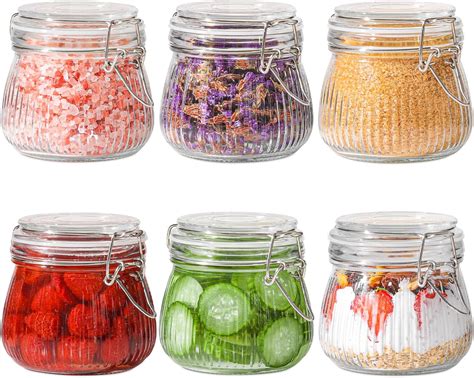
Once completely dry, strip the leaves from the stems (you can leave some herbs, like rosemary, on the stem). Store whole or lightly crushed leaves in airtight containers, such as glass jars, away from light and heat. While dried herbs maintain their flavor for up to a year, check periodically for freshness.

Method 2: Freezing Herbs for Fresh Flavor
Freezing is ideal for more delicate, high-moisture herbs like basil, parsley, cilantro, chives, mint, and tarragon, which tend to lose their vibrant flavor and color when dried. Freezing preserves their fresh taste and aroma remarkably well.
Herb Ice Cubes
A popular and convenient method is to chop your herbs finely and pack them into ice cube trays. Cover the herbs with a liquid—either water, olive oil, or melted butter—then freeze until solid. Once frozen, pop the herb cubes out and transfer them to freezer-safe bags or containers. Label with the herb type and liquid used. These cubes are perfect for tossing directly into soups, stews, sauces, or sautés.
Chopped in Freezer Bags
For a quicker approach, simply chop your herbs and place them into freezer-safe bags. Press out as much air as possible before sealing. You can even flatten the bag and score it with a knife before freezing, making it easier to break off small portions as needed. This method works well for herbs like chives, parsley, and cilantro.

Method 3: Preserving in Oil, Vinegar, or Salt
Infusing herbs into other mediums is another excellent way to capture their essence and extend their shelf life, offering unique flavor profiles for your cooking.
Herb-Infused Oils
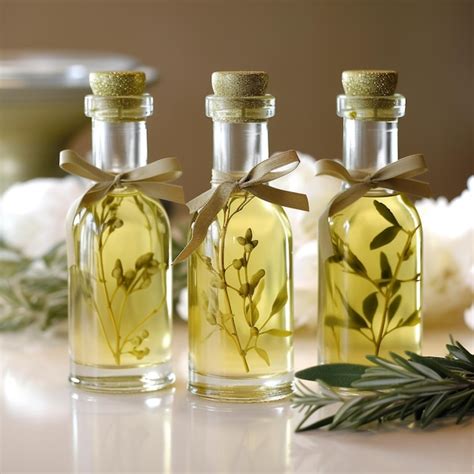
Creating herb-infused oils is simple and yields a wonderfully aromatic cooking oil. Pack clean, dry herbs (such as rosemary, thyme, or oregano) loosely into a sterilized glass bottle. Fill with good quality olive oil or another neutral oil, ensuring all herbs are submerged. Store in the refrigerator and use within a few weeks. Important Note: For safety against botulism, avoid storing homemade herb oils at room temperature unless you’ve acidified the herbs first or used a professional, tested recipe with a high-acid ingredient. For simplicity, refrigerate all homemade herb oils and use quickly.
Herb Vinegars
Infusing vinegar with herbs like tarragon, basil, or chives creates flavorful additions to salad dressings, marinades, and sauces. Lightly bruise the herbs and place them in a sterilized jar. Cover with white wine vinegar, apple cider vinegar, or distilled white vinegar. Seal and let steep in a cool, dark place for 2-4 weeks, shaking occasionally. Strain out the herbs and transfer the infused vinegar to a clean bottle. It will last for several months in a cool, dark pantry.
Herb Salts
Herb salts are a fantastic way to season dishes and make thoughtful gifts. Simply combine finely chopped herbs (rosemary, thyme, sage, oregano work well) with coarse sea salt. The ratio can vary, but typically a 1:3 or 1:4 ratio of herbs to salt is a good starting point. Spread the mixture thinly on a baking sheet and allow it to air dry for a day or two, or briefly in a low oven, to ensure no moisture remains. Once dry, store in an airtight container. The salt will draw out the moisture from the herbs, preserving their flavor.
Conclusion
With these simple preservation methods, you can extend the joy of your garden’s bounty well beyond the growing season. Whether you choose to dry, freeze, or infuse your herbs, you’ll be able to add the fresh, vibrant flavors of summer to your winter cooking, enhancing everything from hearty stews to delicate sauces. Experiment with different techniques and find what works best for your favorite herbs and your culinary style, ensuring a pantry full of homegrown flavor all year long.