




How to adapt a traditional family recipe for current seasonal garden produce?

There’s a unique joy in preparing dishes passed down through generations, a culinary echo of family history. But what happens when that beloved stew calls for ingredients out of season, or your garden overflows with a bounty begging to be used? Adapting traditional family recipes to embrace your current seasonal garden produce is a rewarding journey that blends heritage with sustainable eating, creating fresh, vibrant new traditions.
Understanding Your Seasonal Bounty
Before you dive into a recipe, take stock of what’s currently thriving in your garden. Are you flush with ripe tomatoes, crisp zucchini, leafy greens, or sweet berries? Understanding the flavor profile, texture, and moisture content of your available produce is the first critical step. A sweet summer squash behaves differently than a hearty winter root vegetable. Consider their inherent characteristics and how they might interact with other ingredients in your dish.

Assessing the Original Recipe
Pull out that cherished family recipe and analyze its core. What are the essential components that define it? Is it the hearty meat, a specific spice blend, or a unique cooking method? Identify which ingredients are non-negotiable and which offer flexibility. Often, vegetables, starches, and even some dairy components can be swapped or augmented without losing the dish’s identity. Look for roles vegetables play: are they for bulk, flavor, moisture, or texture?
Strategies for Smart Substitutions
Once you know what you have and what the recipe needs, you can begin making informed substitutions. For direct swaps, aim for similar textures and moisture levels. For example, if a casserole calls for bell peppers and you have an abundance of summer squash, you can often substitute directly, perhaps adjusting cooking time slightly as squash cooks faster. If a dish requires a specific flavor, consider complementary garden items. Basil for spinach in a pesto, or roasted carrots for sweet potatoes in a mash, are good starting points.
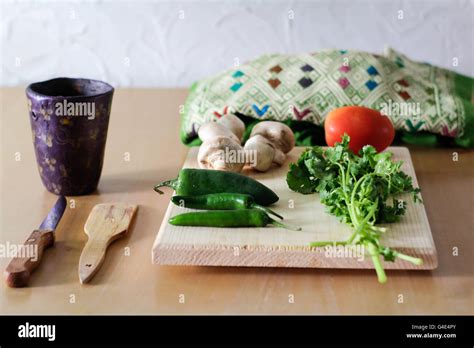
Don’t be afraid to experiment with adding new garden produce to existing dishes, even if not directly substituting. A handful of fresh kale or Swiss chard can easily be folded into a soup or pasta sauce for added nutrition and color. Remember to consider how the moisture from fresh vegetables might impact the consistency of your dish, especially in baked goods or sauces. You might need to reduce other liquids or cook vegetables down a bit first.
Embracing Flavor Enhancements
Your garden isn’t just about main vegetables; it’s also a treasure trove of herbs and aromatics that can elevate any dish. Fresh rosemary, thyme, oregano, or mint can completely transform a traditional recipe. If your seasonal produce has a milder flavor, lean into robust herbs. If it’s already bursting with taste, use herbs that complement rather than overpower. A squeeze of lemon or a splash of vinegar can also brighten flavors and balance the richness of a dish, often enhancing the natural taste of fresh produce.

The Art of Tasting and Adjusting
Adaptation is an iterative process. As you cook, taste frequently. Does it need more salt? A touch of acidity? A pinch of a different herb? Small adjustments throughout the cooking process can make a big difference. Don’t be afraid to veer slightly from the original measurements when incorporating new ingredients. Cooking is as much an art as it is a science, and your palate is your best guide.

Documenting Your Culinary Discoveries
When you strike gold with a delicious adaptation, make sure to write it down! Note what changes you made, what produce you used, and any adjustments to cooking times or seasonings. This creates your own evolving family recipe book, preserving the essence of the original while celebrating the bounty of your garden. These new versions become culinary stories in themselves, ready to be passed down and enjoyed for years to come.

Adapting traditional family recipes with seasonal garden produce is more than just cooking; it’s an act of creativity, sustainability, and a loving connection to both your heritage and the earth. It encourages you to think flexibly, taste thoughtfully, and ultimately, to create dishes that are uniquely yours while honoring the past.