


How to adapt fresh garden produce into homemade real food recipes for canning?

Turning Garden Bounty into Canned Gold
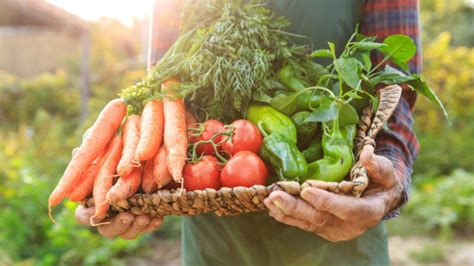
The satisfaction of harvesting fresh produce from your garden is unparalleled, but what do you do with the abundance when it all ripens at once? Canning is a time-honored tradition that allows you to preserve the peak freshness and flavor of your garden’s bounty, extending the harvest well into the colder months. However, simply using any fresh food recipe for canning isn’t safe or effective. Adapting your favorite ‘real food’ recipes for safe home canning requires an understanding of key preservation principles, ensuring your efforts result in delicious, shelf-stable goods.
Understanding Canning Basics and Food Safety
Before adapting any recipe, it’s crucial to grasp the fundamental differences between water bath canning and pressure canning. Water bath canning is suitable for high-acid foods (pH 4.6 or below), such as fruits, jams, jellies, pickles, and most tomato products with added acid. Pressure canning is essential for low-acid foods (pH above 4.6), including most vegetables, meats, poultry, and mixed recipes like soups and stews. Incorrectly canning low-acid foods in a water bath can lead to botulism, a serious foodborne illness. Always consult reliable, tested canning resources like the National Center for Home Food Preservation (NCHFP) or university extension services.
Key Principles for Adapting Real Food Recipes
When you’re aiming to preserve ‘real food,’ you’re often looking to minimize processed ingredients. Here’s how to adapt:
- Acidity is King (for water bath): For foods canned in a water bath, adequate acidity is paramount. If a recipe lacks sufficient natural acidity (e.g., peppers, green beans), you MUST add an acid like bottled lemon juice, lime juice, or vinegar (at least 5% acidity). Do not guess.
- Avoid Thickeners: Flour, cornstarch, or other thickeners are generally not safe for canning as they can prevent heat from penetrating to the center of the jar, creating an environment for spoilage. If you want a thicker sauce or soup, can the base and thicken it upon opening.
- Limit Fats and Oils: Fats can become rancid over time and can also interfere with the sealing process. Most tested canning recipes advise against adding fats or oils directly into the jar before processing. If a recipe calls for sautéing in oil, ensure any excess oil is drained.
- Salt and Sugar: For many canning recipes, salt and sugar are used for flavor and sometimes for texture (e.g., pectin setting in jams) or as part of a pickling brine. While you can often reduce or omit salt in plain canned vegetables (pressure canned) for health reasons, never alter the salt content in pickling recipes, as it’s crucial for safety and texture. Sugar in jams can often be reduced with low-sugar pectin, but significant reduction without proper pectin can lead to a runny product or affect preservation.
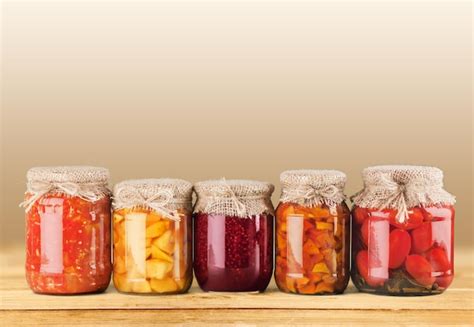
Common Garden Produce and Adaptation Tips
Tomatoes: The Canning Staple
Fresh tomatoes are naturally high in acid, but varieties can vary. For safety when water bath canning whole, crushed, or diced tomatoes, always add bottled lemon juice (1 tbsp per pint, 2 tbsp per quart) or citric acid. For sauces, keep them chunky without thickeners and avoid adding low-acid vegetables (like onions, peppers, mushrooms) in large quantities unless using a tested recipe or pressure canning. If making salsa, follow a tested salsa recipe precisely, as ingredient ratios are critical.
Cucumbers: Perfect for Pickles
Pickling cucumbers thrive with adaptations. Instead of fresh eating, transform them into dill pickles, bread and butter pickles, or relishes. The key is a strong vinegar brine (at least 5% acidity) and proper processing. Never reduce the vinegar amount in a pickling recipe. You can adjust spices to taste, but the acid-to-water ratio is non-negotiable.

Beans and Other Low-Acid Vegetables
Green beans, corn, peas, carrots, potatoes, and other common garden vegetables are low-acid and MUST be pressure canned. They are generally canned plain with just water and optional salt. Avoid adding fats or oils. If you want to make a canned mixed vegetable medley, soup, or stew, you must use a tested pressure canning recipe that specifies all ingredients and processing times for the specific mix.
Fruits: Jams, Jellies, and Pie Fillings
Most fruits are high-acid and suitable for water bath canning. When making jams and jellies, follow tested recipes for pectin amounts, as pectin relies on specific sugar and acid levels to set. For pie fillings, commercial thickeners designed for canning (like ClearJel) are often used, as regular flour or cornstarch is not safe. Otherwise, can fruit in syrup or water, and thicken when ready to use.
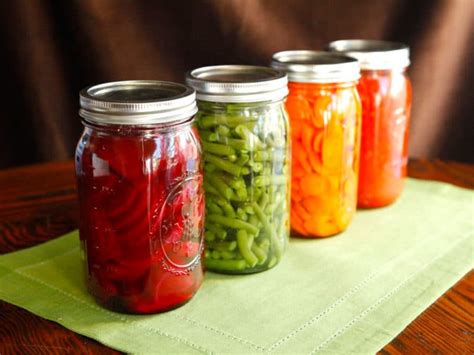
Adjusting Ingredients for Real Food Canning
- Salt: For plain pressure-canned vegetables, salt is optional and added for flavor, not safety. Feel free to reduce or omit. For pickled products, follow the recipe exactly.
- Sugar: In fruit preserves, sugar plays a role in gel formation and color retention. Low-sugar pectin allows for less sugar. For fruit canned in syrup, you can use lighter syrups or even water, though texture and color may be affected.
- Herbs and Spices: These generally don’t affect canning safety, so feel free to experiment with quantities to suit your taste. Add them during the cooking process.
- Non-Dairy/Dairy Products: Avoid canning recipes with milk, cream, cheese, or eggs as they are very low acid and can spoil quickly or create unsafe conditions.
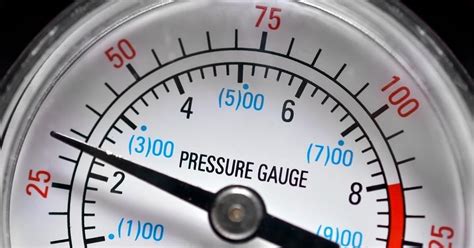
Embrace the Art of Safe Canning
Adapting your fresh garden produce into homemade real food recipes for canning is a rewarding skill. It allows you to control the ingredients, minimize preservatives, and enjoy the taste of summer year-round. Always prioritize food safety by following tested recipes, understanding the role of acidity, and using appropriate canning methods. With a little knowledge and practice, your pantry can be filled with delicious, nutritious, home-canned goodness straight from your garden.