



When to plant fall garlic for best spring yield in cold zones?
For gardeners in colder climates, the dream of harvesting plump, pungent garlic bulbs starts not in spring, but in the crisp air of autumn. Planting garlic in the fall allows it to establish a robust root system before winter sets in, setting the stage for impressive growth and larger yields come spring. But timing is everything, especially when battling freezing temperatures. Pinpointing the exact ‘when’ can make all the difference between a disappointing harvest and a bounty of beautiful bulbs.
Understanding Cold Zones and Garlic’s Needs
Cold zones typically refer to USDA Plant Hardiness Zones 3-7, where winters can bring prolonged periods of freezing temperatures and significant snow cover. Garlic, particularly hardneck varieties favored in these regions, requires a period of vernalization—exposure to cold temperatures—to properly form a bulb. Planting too early can cause premature sprouting and vulnerability to hard freezes, while planting too late might not allow enough root development, leading to smaller, less robust bulbs.
The Golden Window: Soil Temperature is Key
The most critical factor in successful fall garlic planting is soil temperature, not simply the calendar date. The ideal time to plant is when soil temperatures have consistently dropped to around 40-60°F (4-15°C), but before the ground freezes solid. This temperature range encourages root development without triggering top growth that would be susceptible to winter damage. A good rule of thumb is to aim for approximately four to six weeks before your area’s average first hard frost date.
Timing by USDA Hardiness Zone
- Zones 3-5 (Very Cold Climates): Gardeners in these frigid zones often need to plant earlier, typically from late September to mid-October. The goal is to get roots established well before the deep freeze sets in, which can happen swiftly. Heavy mulching will be essential for winter protection.
- Zones 6-7 (Moderately Cold Climates): Planting can occur a bit later, generally from mid-October to mid-November. These zones still experience significant cold, but the window for root establishment might be slightly longer. Keep an eye on local forecasts and soil temperatures.
Factors Beyond the Calendar
While general guidelines are helpful, local conditions always play a role. Here are other considerations:
Local First Frost Dates
Consult your local agricultural extension office or online resources for historical first frost dates in your specific microclimate. This will give you a more precise target for your four-to-six-week pre-frost window.
Soil Preparation
Healthy, well-draining soil rich in organic matter is crucial. Garlic dislikes wet feet, especially over winter. Amend your soil with compost before planting to ensure good drainage and fertility, facilitating strong root growth.
Garlic Variety Choice
For cold zones, hardneck garlic varieties are almost always preferred. They are more cold-hardy and require the vernalization period to thrive. Popular choices include Rocambole, Porcelain, and Purple Stripe varieties, known for their robust flavor and ability to withstand cold.
Planting for Success
- Selecting Cloves: Use the largest, healthiest cloves from disease-free bulbs. Plant them pointy-side up.
- Depth and Spacing: Plant cloves 4-6 inches deep and about 6 inches apart. Deeper planting provides better insulation in cold zones.
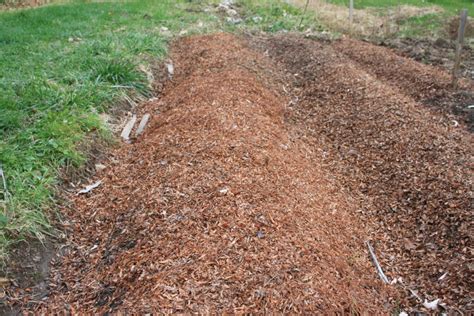
- Mulching for Winter Protection: Once the ground begins to freeze but before it’s completely solid, apply a 4-6 inch layer of straw, chopped leaves, or other organic mulch. This insulates the soil, moderates temperature fluctuations, conserves moisture, and prevents frost heaving.
Spring Emergence and Beyond
In early spring, as temperatures rise, you’ll see the first green shoots emerge. You can gradually pull back some of the mulch to allow the soil to warm, but keep some around to suppress weeds and retain moisture. Continue to water if rainfall is insufficient and consider a balanced fertilizer application. By following these guidelines, your fall-planted garlic will have the best possible start, leading to a rewarding harvest of large, flavorful bulbs in late spring or early summer.