

Best ways to use excess garden produce in simple, delicious real food recipes?

The joy of a flourishing garden often comes with the delightful challenge of an overflowing harvest. Suddenly, you have more tomatoes, zucchini, or leafy greens than you know what to do with! But fret not; turning that bounty into simple, delicious, and real food isn’t just possible, it’s incredibly rewarding. This guide will help you embrace the abundance and minimize waste with clever cooking and preservation techniques.

Maximizing Freshness: Simple Daily Meals
The quickest way to use excess produce is to incorporate it into your daily cooking while it’s at its peak freshness. Think simple, minimal-effort recipes that highlight the natural flavors of your harvest.
Roasting for Flavor
Many vegetables — from bell peppers and zucchini to root vegetables like carrots and potatoes — become incredibly sweet and tender when roasted. Simply chop your produce, toss with a little olive oil, salt, pepper, and your favorite herbs (rosemary, thyme, oregano are excellent choices), then roast at 400°F (200°C) until caramelized. Roasted vegetables make a fantastic side dish, a base for salads, or an addition to grain bowls.
Vibrant Salads & Stir-fries
Leafy greens, cucumbers, radishes, and cherry tomatoes are perfect for fresh, crisp salads. Don’t be afraid to experiment with different dressings or add nuts, seeds, or cheese for extra protein and texture. For heartier vegetables like snap peas, broccoli, or cabbage, a quick stir-fry is an excellent solution. Pair them with a protein and a simple soy-ginger or peanut sauce for a fast and nutritious meal.
Smoothies & Juices
Excess greens (spinach, kale), cucumbers, berries, and even some herbs (like mint) can be blended into refreshing and nutrient-packed smoothies or juices. It’s a great way to use produce that might be slightly past its prime for salads but still perfectly good.
Smart Preservation: Enjoying Your Harvest Year-Round
When daily cooking isn’t enough to keep up, preservation becomes your best friend. These methods allow you to enjoy your garden’s bounty long after the growing season ends.
Freezing Made Easy
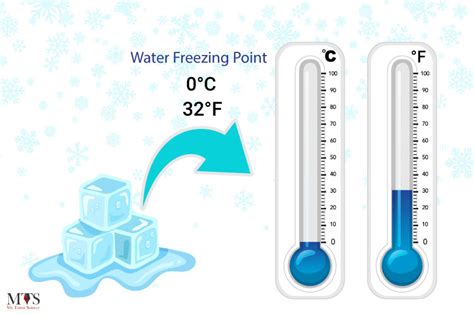
Freezing is one of the simplest and most effective ways to preserve vegetables. Most vegetables benefit from blanching (a quick boil followed by an ice bath) before freezing to retain color, flavor, and texture. Berries, chopped peppers, and herbs can often be frozen raw. Label and date everything for easy use later in soups, stews, casseroles, or smoothies.
Canning & Pickling
For those with a bit more time and equipment, canning is a classic preservation method. Tomatoes are a prime candidate for canning into sauces, purees, or diced tomatoes. Pickling, on the other hand, is excellent for cucumbers, green beans, carrots, and even peppers, creating tangy condiments that liven up any meal.
Drying Herbs and Fruits
Drying is a fantastic way to preserve herbs for future seasoning or fruits for healthy snacks. Herbs can be air-dried in bundles or using a dehydrator. Sliced apples, pears, or even zucchini chips can be dehydrated for crunchy, healthy treats.
Creative Culinary Transformations
Beyond basic cooking and preservation, transform your excess produce into versatile components that elevate future meals.
Sauces, Pestos & Purees
- Tomato Sauce: An abundance of tomatoes is a perfect excuse to make large batches of homemade marinara or basic tomato sauce. Can it or freeze it for quick pasta dinners all winter.
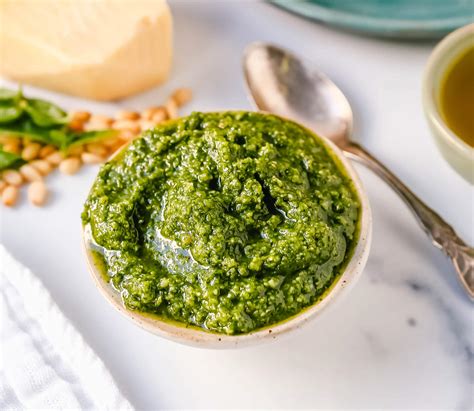
- Pesto: Basil isn’t the only herb for pesto! Try spinach, kale, or even carrot tops blended with nuts, garlic, cheese, and olive oil. Freeze pesto in ice cube trays for individual servings.
- Vegetable Purees: Cooked carrots, sweet potatoes, or squash can be pureed and frozen. These purees are excellent for thickening soups, adding to baked goods, or even sneakily adding vegetables to picky eaters’ meals.
Soups and Stews
Soups and stews are incredibly forgiving and ideal for using up a mix of vegetables. A simple vegetable stock can be the base for endless combinations. Chop and simmer whatever you have on hand – zucchini, bell peppers, green beans, corn, potatoes, and leafy greens – for a comforting and nutritious meal. Make a large batch and freeze portions for busy days.
Baked Goods & Desserts
Don’t forget the sweeter side of your garden! Zucchini bread, carrot cake, and pumpkin muffins are classic ways to incorporate vegetables into delicious treats. Excess berries and fruits can become crumbles, pies, jams, or fruit leathers.

Tips for Success
- Batch Cooking: Dedicate a few hours one day a week to process your harvest. Wash, chop, blanch, and cook in larger quantities to prepare ingredients for multiple meals or for freezing.
- Sharing the Bounty: If you truly have more than you can use, share with neighbors, friends, or local food banks. A little generosity goes a long way.
- Embrace Imperfection: Not every vegetable needs to be picture-perfect. Oddly shaped or slightly bruised produce is still perfectly good for cooking, especially in soups, sauces, or purees.
With a little planning and creativity, your excess garden produce won’t go to waste. Instead, it will provide you with a pantry full of wholesome ingredients and delicious real food meals to enjoy throughout the year. Happy harvesting and happy cooking!