



How to pack homemade, real food for country road trips, minimizing waste?
Embrace the Open Road with Homemade Goodness
There’s an undeniable charm to a country road trip – the winding roads, scenic vistas, and the freedom of the open highway. While the adventure calls, the convenience of fast food often lurks. However, fueling your journey with homemade, real food not only keeps you energized and healthy but also offers a fantastic opportunity to drastically reduce waste. This guide will walk you through preparing and packing delicious, sustainable meals for your next adventure, ensuring every bite is as good for you as it is for the planet.
Strategic Planning: Your First Step to Zero Waste
The foundation of any successful, waste-minimizing road trip meal plan lies in thorough preparation. Start by outlining your itinerary and estimating how many meals and snacks you’ll need. Consider the duration of your trip, the number of travelers, and any dietary restrictions or preferences.
Meal Ideas for Every Stop
- Breakfast: Overnight oats in jars, hard-boiled eggs, fruit, muffins (homemade), granola with yogurt (packed separately).
- Lunch/Dinner: Hearty sandwiches or wraps (pre-made or components packed separately), pasta salads, quinoa salads, lentil or bean salads, burritos.
- Snacks: Fresh fruit (apples, oranges, bananas, berries), vegetable sticks with hummus, nuts, seeds, dried fruit, homemade energy bars or balls, popcorn.
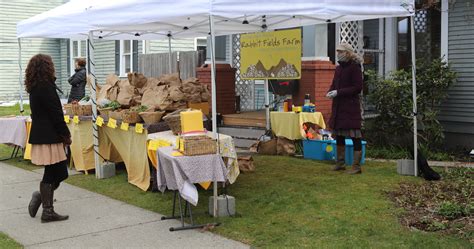
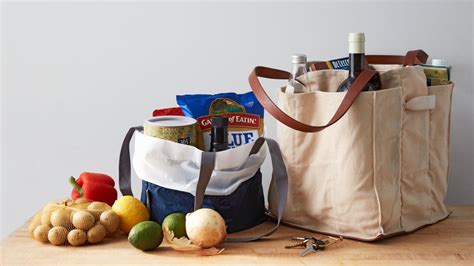
When shopping, prioritize bulk items to reduce packaging waste. Farmers’ markets are excellent for fresh, local produce, often allowing you to use your own reusable bags. Think about ingredients that serve multiple purposes to simplify your packing list.
Choosing the Right Foods for the Road
Not all foods are created equal when it comes to travel. The best road trip foods are those that are easy to eat with minimal mess, hold up well without refrigeration for short periods, and provide sustained energy. Avoid anything too liquidy, prone to spilling, or with strong, lingering odors that might permeate your car.
- Mess-Free Marvels: Wraps are often cleaner than traditional sandwiches. Pre-cut fruits and vegetables are grab-and-go friendly.
- Sturdy & Satisfying: Whole fruits like apples and oranges, bell pepper strips, carrot sticks, and sturdy leafy greens like kale or spinach in salads hold up better than delicate lettuces.
- Protein Power: Hard-boiled eggs, cheese sticks, roasted chickpeas, and lean deli meats (if consuming) provide essential protein.
Mastering the Art of Waste-Free Packing
This is where minimizing waste truly shines. Ditch single-use plastic bags, disposable cutlery, and paper napkins. Invest in a set of quality reusable containers and tools:
- Containers: Opt for glass containers with secure lids (great for preventing leaks and easy to clean), stainless steel boxes, or silicone bags. These are durable, non-toxic, and infinitely reusable.
- Drinkware: Each traveler should have their own reusable water bottle. Consider a travel mug for coffee or tea.
- Utensils & Napkins: Pack a small kit with reusable cutlery (bamboo or stainless steel), cloth napkins, and a small dishcloth.
- Cooler Strategy: A good cooler is invaluable. Use reusable ice packs instead of bagged ice, which creates water and packaging waste. Arrange items strategically: denser, colder items at the bottom, frequently accessed snacks at the top. Layering with towels can help insulate and protect items.
Pre-portioning your meals and snacks into individual reusable containers not only makes them easier to grab on the road but also helps prevent overeating and food waste. Labeling containers can also be a time-saver!

On-the-Road Management and Cleanup
Even with the best packing, mess can happen. Designate a small, easily accessible area in your car for “eating supplies” – your cooler, a small waste bag, and your reusable cutlery kit. Keep a separate small bag for food scraps or compostable items (like fruit peels or apple cores) that can be properly disposed of at rest stops or your destination. For true trash that can’t be composted or recycled, have another small, lined bag. Remember to refill water bottles whenever you get the chance at rest stops or gas stations with filtered water.
Beyond Waste: The Benefits of Homemade Road Trip Meals
While waste reduction is a primary goal, the advantages of packing your own food extend much further. You save a significant amount of money by avoiding overpriced rest stop food. You have complete control over the ingredients, ensuring healthier, more nutritious meals free from excessive salt, sugar, and unhealthy fats. Plus, there’s the sheer joy of pulling over at a beautiful viewpoint and enjoying a delicious, thoughtfully prepared meal amidst nature’s grandeur.

Enjoy a Delicious, Eco-Friendly Journey
Packing homemade, real food for your country road trip doesn’t have to be a chore; it’s an opportunity to enhance your travel experience while making a positive impact on the environment. With a little planning, smart food choices, and the right reusable gear, you can enjoy delicious, healthy meals on the go, minimize your footprint, and make your road trip even more memorable. Happy trails and happy eating!