


How to build a simple, effective DIY trellis for heirloom tomatoes?

Why Trellis Heirloom Tomatoes?
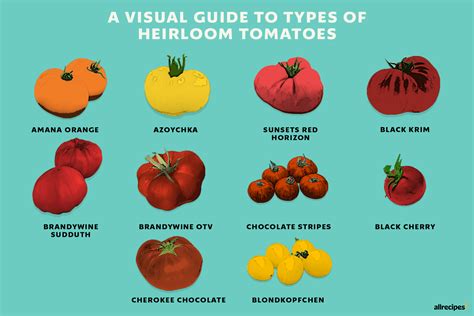
Heirloom tomatoes are a gardener’s delight, known for their incredible flavor, diverse colors, and unique textures. However, these vigorous plants can grow quite large and often produce heavy fruit, making robust support essential. Trellising keeps plants upright, preventing them from sprawling on the ground where they are susceptible to pests, diseases, and rot. It also improves air circulation, promotes even ripening, and makes harvesting much easier. While many types of trellises exist, a simple stake and string system (often called the Florida weave or similar variations) offers an excellent balance of effectiveness, ease of construction, and affordability for the home gardener.
Materials You’ll Need
Building this simple trellis requires only a few basic materials, most of which you can find at your local garden center or hardware store. Choose quality materials to ensure your trellis lasts the entire growing season and beyond.
- Sturdy Posts: Two or more 6-8 foot tall wooden stakes (e.g., cedar, untreated lumber, or sturdy metal T-posts). The height depends on your tomato variety’s growth habit.
- Strong Twine: A roll of durable garden twine, jute, or sisal. Avoid thin, weak strings that will break under the weight of the fruit.
- Hammer or Post Driver: To firmly drive the stakes into the ground.
- Measuring Tape: For accurate spacing.
- Scissors or Utility Knife: To cut the twine.
Step-by-Step Construction Guide
1. Plan Your Layout
Before you start pounding stakes, determine where your heirloom tomatoes will be planted. This trellis works best for tomatoes planted in a single row. Space your tomato plants 2-3 feet apart within the row. For this trellis, you’ll place stakes at each end of the row, and if your row is longer than 8-10 feet, add an additional stake in the middle for extra support.
2. Install Your Posts
Drive your chosen posts firmly into the ground to a depth of at least 1-1.5 feet. The stakes should be stable and not wobble. If using wooden stakes, ensure the top is blunt or use a protective cap when hammering to prevent splitting. The tops of the stakes should stand 5-6 feet above the ground, allowing ample room for your tomatoes to grow tall.
3. Begin the Weave
Once your tomato plants are about 10-12 inches tall, it’s time to start weaving. Tie one end of your twine securely to the base of an end post. Walk along one side of your tomato row, wrapping the twine around each tomato plant stem just above a leaf joint, and continue to the other end post. At the second end post, wrap the twine around it once or twice, then turn around and walk back along the *other side* of the tomato row, wrapping the twine around each plant again. This creates a sandwich effect, with the plants held between two parallel lines of twine.
4. Add Subsequent Levels
Repeat the weaving process every 8-12 inches as your tomato plants grow. As the plants get taller, the twine levels provide continuous support. Ensure each new level is snug but not so tight that it cuts into the stems. For very vigorous heirloom varieties, you might need to add a new level of twine every week or two during their peak growth period. The goal is to keep the plants contained and upright as they develop heavy fruit.
Tips for a Bountiful Harvest
- Pruning: While heirlooms are often grown for their sprawling nature, some light pruning of suckers (shoots that grow in the crotch between the main stem and a leaf branch) can improve air circulation and direct energy to fruit production.
- Check Regularly: Inspect your trellis and plants weekly. Adjust twine as needed, and gently tuck any wayward branches back into the supported zone.
- Watering: Consistent watering is crucial for healthy tomato plants, especially when fruit is developing. Trellising helps keep leaves drier, which can reduce fungal diseases, but proper soil moisture is still key.
- Location: Ensure your trellis is in a spot that receives at least 6-8 hours of direct sunlight per day.

Conclusion
Building a simple, effective DIY trellis for your heirloom tomatoes doesn’t require advanced carpentry skills or expensive materials. With just a few stakes and some twine, you can provide the support your plants need to thrive, producing a healthier crop and a more abundant harvest of those delicious, homegrown heirlooms. Enjoy the satisfaction of watching your plants grow tall and strong, laden with fruit, all thanks to your simple garden ingenuity!