

How to show messy, real-food BTS without making my farm kitchen feel uninviting?
The Art of Authentic Imperfection in Your Farm Kitchen
In a world of perfectly curated social feeds, there’s a growing appetite for authenticity. For farm-to-table producers, showing the “behind-the-scenes” (BTS) of your kitchen—the flour dust, the vegetable scraps, the bubbling pots—can be incredibly powerful. It builds trust, tells a story, and connects your audience to the true labor of love that goes into real food. However, the fear of appearing unkempt or uninviting often holds us back. How do you share the beautiful chaos of a working farm kitchen without deterring potential customers?
Embrace the Real, Strategically
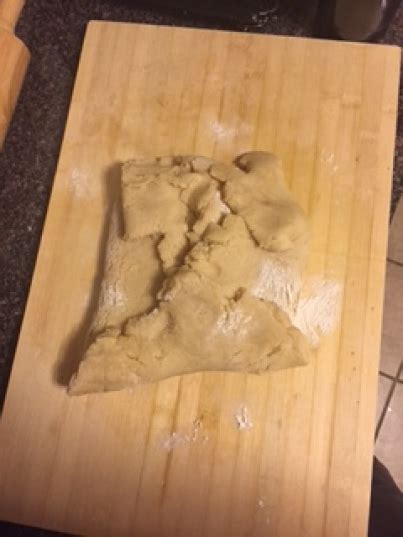
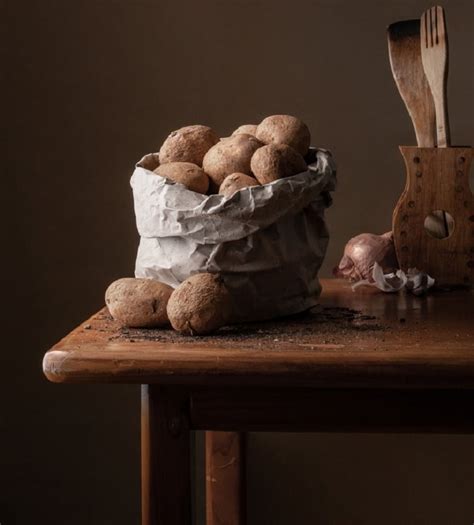
The key isn’t to hide the mess, but to frame it. Think of your farm kitchen as a workshop where magic happens. A little bit of flour on the countertop or a few vegetable trimmings on the cutting board speak volumes about active creation. Rather than a sterile, showroom kitchen, this portrays a place where real work is being done. The trick is to show process and progress, not just disarray. For example, a shot of ingredients laid out, even with a few stray leaves, suggests an imminent delicious meal.
Focus on the active elements. A hand mixing dough, a knife expertly dicing, or fresh produce being washed. These actions inherently convey purpose and vitality. The ‘mess’ then becomes a byproduct of honest labor, rather than neglect.
Lighting and Composition: Your Best Friends
Even the busiest kitchen can look inviting with good lighting. Natural light is your most powerful tool. Position your shots to capture the soft glow coming through a window, highlighting textures and colors. This can make even a pile of vegetable scraps look rustic and charming, rather than just messy. Composition also plays a crucial role. Use the rule of thirds, leading lines, and interesting angles to draw the viewer’s eye to what you want them to see – perhaps the vibrant color of fresh produce, a warm glow from an oven, or the rustic tools of your trade.
Tell a Story with Captions
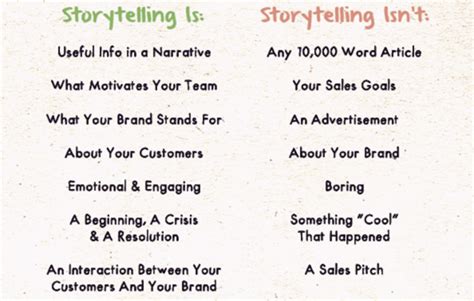
Your visuals are powerful, but your words provide context. A photo of a messy countertop with “Mid-batch chaos as we prep for tomorrow’s farmers market!” is far more inviting than the same photo with no explanation. Use captions to explain why things look the way they do. Talk about the volume of produce being processed, the intensity of a cooking session, or the joy of creating something from scratch. This narrative transforms perceived mess into a testament to hard work, dedication, and the passion behind your product.
Highlight the Human Element and Warmth
People connect with people. Show hands kneading dough, a chef tasting a sauce, or family members working together. These human touches instantly make a space feel warmer and more inviting, even if it’s not perfectly tidy. A rustic wooden cutting board, a well-used cast-iron pan, or even a simple tea towel can add visual warmth and personality. Focus on details that convey comfort and tradition.

Balance Authenticity with Intentionality
While embracing the messy reality is key, it doesn’t mean abandoning all intentionality. Before a shoot, a quick sweep of unrelated clutter can make a big difference. It’s about showing the working mess, not just random junk. You can also intersperse your “messy BTS” shots with some more curated, finished product photos. This contrast highlights the transformation from raw ingredients and hard work to beautiful, delicious food, reinforcing the value of your process.
Ultimately, authenticity resonates deeply. By strategically showcasing the real, vibrant life of your farm kitchen—the passion, the process, and the productive chaos—you’ll build a stronger connection with your audience, making your space not just authentic, but truly inviting.