



Best wood for an outdoor composting bin?

Building an outdoor composting bin is a rewarding DIY project that helps divert waste from landfills and creates nutrient-rich soil for your garden. However, the longevity and effectiveness of your bin heavily depend on one crucial choice: the type of wood you use. Exposed to constant moisture, decaying organic matter, and various weather conditions, the wood needs to be exceptionally durable and resistant to rot. Selecting the right material ensures your composting efforts aren’t undermined by a deteriorating structure.

Why Your Wood Choice Matters for Composting Bins
The environment inside and around a composting bin is notoriously harsh on wood. Constant dampness, microbial activity, and temperature fluctuations accelerate decomposition. Using the wrong wood means you’ll be repairing or replacing your bin far sooner than desired. Key factors to consider include:
- Rot Resistance: The wood’s natural ability to resist decay caused by fungi and bacteria.
- Durability: Its strength and ability to withstand physical stress and environmental exposure.
- Cost: The initial investment for the lumber.
- Availability: How easy it is to source in your region.
- Safety: Ensuring the wood doesn’t leach harmful chemicals into your compost, especially if you plan to use the compost on edible plants.
Top Wood Choices for Outdoor Composting Bins
Several types of wood stand out for their superior performance in outdoor, high-moisture environments. These options naturally possess properties that make them excellent candidates for composting bins.
Cedar
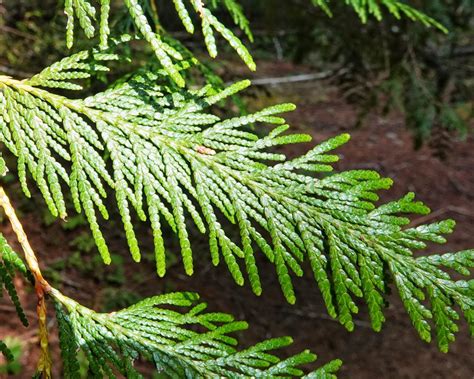
Western Red Cedar and Eastern Red Cedar are often cited as top choices. Cedar contains natural oils that act as fungicides and insecticides, giving it excellent resistance to rot and insect infestation. It’s relatively lightweight and easy to work with, and its pleasant aroma is a bonus. While more expensive than common softwoods, its longevity makes it a worthwhile investment.
Redwood
Similar to cedar, redwood boasts exceptional natural resistance to rot and insects due to its high tannin content. It’s incredibly durable and weathers beautifully. However, redwood is typically more expensive and its availability can be limited outside of specific regions. Sustainable sourcing is also a consideration, so look for Forest Stewardship Council (FSC) certified lumber.
Cypress
Cypress, particularly sinker cypress, is highly prized for its water resistance and durability. It contains cypretine, a natural preservative that makes it highly resistant to decay and insects. It’s a strong, stable wood that can withstand the rigors of an outdoor composting environment. Like redwood, its cost and availability can vary regionally.
Black Locust
Often considered one of the most durable woods available in North America, black locust has exceptional rot resistance, comparable to or even surpassing tropical hardwoods like teak. It’s incredibly dense and strong, making it ideal for ground contact. The main downsides are its hardness, which makes it challenging to cut and fasten, and its relative scarcity in lumberyards compared to cedar or redwood.
Untreated Hardwoods (e.g., Oak, White Oak)
While not as rot-resistant as cedar or redwood, some dense, untreated hardwoods like white oak offer decent durability for above-ground applications. They will eventually decompose, but will last longer than untreated softwoods. Cost-effectiveness and local availability might make them a viable, albeit shorter-term, option.

Woods to Approach with Caution or Avoid
Not all wood is suitable for a composting bin. Some pose environmental risks, while others simply won’t last.
Pressure-Treated Wood
This is a contentious topic. Historically, pressure-treated wood contained chromated copper arsenate (CCA), which is highly toxic. Modern pressure-treated wood uses less toxic chemicals (e.g., alkaline copper quaternary or micronized copper azole). While manufacturers claim these are safe for raised garden beds, there’s still debate among organic gardeners about their proximity to food-producing compost. If you opt for it, ensure it’s rated for ground contact and consider lining the bin with an inert material to minimize direct contact with compost.
Untreated Pine or Fir
Common, inexpensive softwoods like pine, fir, and spruce are readily available but will rot very quickly when exposed to constant moisture and microbial activity. They are generally unsuitable for the structural elements of a long-lasting composting bin unless you plan for very frequent replacement.
Plywood or Particle Board
These engineered wood products contain glues and binders that can leach into your compost. Furthermore, they delaminate and deteriorate extremely rapidly in damp conditions, making them entirely inappropriate for an outdoor composting bin.
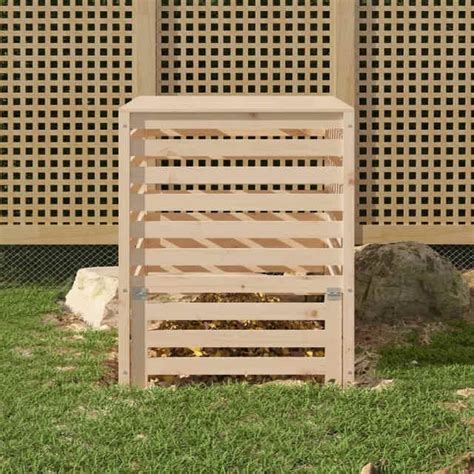
Key Considerations When Choosing Wood for Your Composter
- Natural Rot Resistance is King: Prioritize woods with natural oils and tannins for superior longevity without chemical concerns.
- Budget vs. Lifespan: While naturally resistant woods are more expensive upfront, they will save you time and money in the long run by not needing frequent replacement.
- Source Sustainably: Whenever possible, choose FSC-certified lumber to ensure it comes from responsibly managed forests.
- Design for Airflow: Even the best wood will last longer if your bin design allows for good airflow, preventing constant saturation of the wood.
- Liners (Optional): If using wood you’re uncertain about (e.g., older pressure-treated wood), consider lining the interior with heavy-duty pond liner or thick plastic sheeting to create a barrier between the wood and your compost.
Conclusion
The best wood for an outdoor composting bin strikes a balance between durability, rot resistance, safety, and your budget. Cedar, redwood, cypress, and black locust are all excellent natural choices that will ensure your composting bin stands the test of time and weather. By carefully considering your options, you can build a robust and effective composter that supports your gardening efforts for years to come, without compromising the quality of your precious “black gold.”