

Safe canning methods for excess backyard tomatoes?

Turning Your Tomato Bounty into Year-Round Delights
There’s nothing quite like the joy of harvesting a bumper crop of ripe, juicy tomatoes from your backyard garden. But what do you do when your counters are overflowing, and you’ve already made all the fresh salsa and pasta sauce you can handle? The answer for many seasoned gardeners is canning! Preserving your excess tomatoes allows you to enjoy their fresh flavor long after the growing season ends, transforming them into sauces, diced tomatoes, or whole peeled tomatoes for future meals. However, canning isn’t just about sealing food in a jar; it’s a science that requires adherence to specific safety guidelines to prevent spoilage and foodborne illness.
Before embarking on your canning journey, understanding the fundamental principles of food preservation, particularly concerning acidity and heat, is crucial. This guide will walk you through the safe and effective methods for canning your backyard tomatoes, ensuring delicious and safe results every time.
Understanding Canning Safety: Acidity is Key
The primary concern in home canning is preventing the growth of Clostridium botulinum, a bacterium that produces a deadly toxin in low-acid, oxygen-free environments like sealed jars. Tomatoes are unique because their acidity can vary. Most ripe tomatoes are borderline high-acid (pH typically 4.3-4.9), meaning they can sometimes be safely processed in a boiling water bath if extra acid is added. However, less ripe tomatoes, certain varieties, or tomatoes grown in specific conditions might have a higher pH, pushing them into the low-acid category.
To ensure safety, it’s always recommended to add a standardized amount of acid (lemon juice or citric acid) to all home-canned tomatoes before water bath processing. For plain diced or whole tomatoes without added acid, or for tomato products like sauces that include low-acid vegetables (onions, peppers, mushrooms), pressure canning is the only safe method. Pressure canning reaches temperatures high enough (240°F/116°C) to destroy botulism spores, regardless of acidity.
Essential Equipment for Tomato Canning
Having the right tools makes the canning process smoother and safer. Here’s what you’ll need:
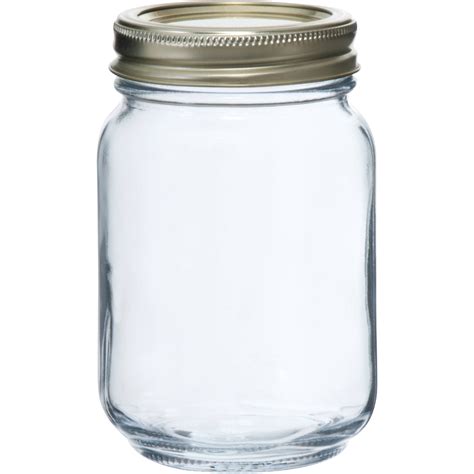
- Canning Jars: Mason-type jars (pint or quart size) with self-sealing lids and bands. Always use new lids.
- Canner: A large stockpot with a rack for water bath canning, or a specialized pressure canner for pressure canning.
- Jar Lifter: For safely placing and removing hot jars from the canner.
- Canning Funnel: To minimize spills when filling jars.
- Ladle: For transferring hot tomato product to jars.
- Headspace Tool or Ruler: To measure the space between the food and the rim of the jar.
- Bubble Remover: A plastic knife or chopstick to release trapped air bubbles.
- Clean Cloths: For wiping jar rims.
- Acid Source: Bottled lemon juice or citric acid (for water bath canning).
Water Bath Canning: For High-Acid Tomato Products
This method is suitable for crushed tomatoes, tomato sauce, and salsa recipes that explicitly call for a water bath and include an added acid. Ensure your chosen recipe is from a tested, reliable source like the National Center for Home Food Preservation (NCHFP).
- Prepare Tomatoes: Wash, blanch, peel, core, and chop your tomatoes according to your recipe.
- Add Acid: For each pint jar, add 1 tablespoon of bottled lemon juice or 1/4 teaspoon of citric acid. For each quart jar, add 2 tablespoons of bottled lemon juice or 1/2 teaspoon of citric acid. Do not use fresh lemon juice as its acidity can vary.
- Fill Jars: Ladle hot tomato product into hot, sterilized jars, leaving the recommended headspace (usually 1/2 inch).
- Remove Air Bubbles: Use a bubble remover to remove trapped air, then recheck headspace and add more product if necessary.
- Wipe Rims and Seal: Wipe jar rims clean, center new lids, and apply bands fingertip tight.
- Process: Place jars on a rack in a boiling water canner. Ensure water covers jars by at least 1-2 inches. Bring to a rolling boil and process for the time specified in your recipe, adjusting for altitude.

Pressure Canning: The Safest Method for Plain Tomatoes
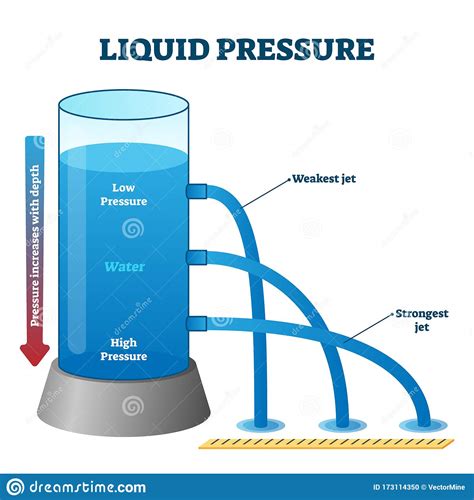
Pressure canning is mandatory for plain whole, crushed, or diced tomatoes without added acid, or any tomato product mixed with low-acid ingredients. This method utilizes steam under pressure to reach temperatures far exceeding boiling water, effectively neutralizing botulism spores.
- Prepare Tomatoes: Wash, blanch, peel, core, and chop or leave whole as desired.
- Pack Jars: Pack hot tomatoes into hot, sterilized jars, leaving 1 inch of headspace. You may need to add some boiling water or tomato juice to ensure liquid covers the solids.
- Remove Air Bubbles: Use a bubble remover, recheck headspace.
- Wipe Rims and Seal: Wipe jar rims clean, center new lids, and apply bands fingertip tight.
- Process: Place jars in the pressure canner with the specified amount of water. Fasten the lid, vent steam for 10 minutes, then apply the weighted or dial gauge. Process at the pressure and time recommended in a tested recipe for your altitude and jar size.
- Cool Down: Once processing is complete, turn off the heat and allow the canner to depressurize naturally. Do NOT rush this process.
Post-Canning: Checking Seals and Storage
After processing, carefully remove jars from the canner using a jar lifter and place them on a towel-lined surface away from drafts to cool undisturbed for 12-24 hours. You’ll hear the satisfying *ping* as the lids seal.
- Check Seals: After cooling, press the center of each lid. If it doesn’t flex, the jar is sealed. Remove bands, wash jars, label with contents and date.
- Storage: Store sealed jars in a cool, dark, dry place. Any unsealed jars should be refrigerated and consumed within a few days or reprocessed immediately (within 24 hours) with a new lid, if safe to do so.
Tips for Canning Success
- Use Fresh, Ripe Tomatoes: The quality of your raw ingredients directly impacts the final product.
- Follow Recipes Precisely: Especially processing times and acid additions. Do not alter tested recipes.
- Adjust for Altitude: Higher altitudes require increased processing times or pressure to ensure safety. Consult official canning guidelines for your specific location.
- Maintain Headspace: Too little can cause siphoning; too much can lead to unsealed jars.
- Cleanliness is Paramount: Wash everything thoroughly to prevent contamination.

Canning your backyard tomatoes is a rewarding skill that extends the bounty of your garden. By following these safe canning methods, you can confidently preserve the peak flavor of your harvest, ensuring your pantry is stocked with homemade goodness all year long. Happy canning!