

What’s the best budget-friendly DIY material for rot-resistant raised garden beds?

Why Choose Raised Garden Beds?
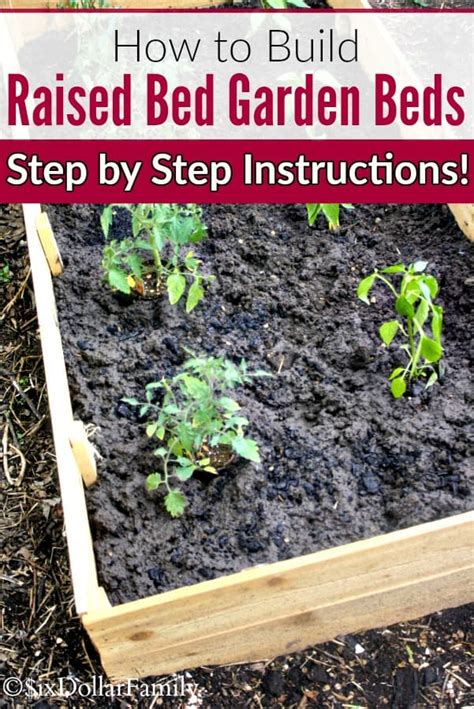
Raised garden beds are a fantastic addition to any home garden, offering numerous benefits from improved soil drainage and aeration to easier access and pest control. However, one common challenge for DIY enthusiasts is selecting materials that are both budget-friendly and capable of withstanding the constant moisture and soil contact that leads to rot. The key is finding a balance between initial cost, durability, and the effort required for construction.

Understanding Rot Resistance in Garden Materials
Rot is primarily caused by fungi that thrive in moist conditions, breaking down organic materials like wood. When building a raised bed, the materials are in direct contact with damp soil, making them highly susceptible. Therefore, choosing materials that naturally resist decay, are chemically treated for resistance, or are inherently non-organic is crucial for longevity.
Material Showdown: Budget vs. Durability
1. Untreated Wood (Cedar, Redwood, Black Locust)
- Pros: Naturally rot-resistant (especially cedar, redwood, black locust), aesthetically pleasing, renewable, easy to work with.
- Cons: Can be expensive, especially cedar and redwood. Less resistant than treated wood over very long periods. Pine and fir are cheap but rot quickly.
- Budget-Friendly Tip: Look for reclaimed cedar fence pickets or rough-cut lumber if available locally.
2. Pressure-Treated Wood (Modern Formulations)
- Pros: Highly rot-resistant, widely available, relatively affordable. Modern treatments (ACQ, MCA, micronized copper azole) are considered safer for gardening than older CCA (chromated copper arsenate) treatments.
- Cons: Some gardeners are still wary of chemical leaching into soil, despite modern treatments being deemed safe for food crops by regulatory bodies. May require an impermeable liner (e.g., 6-mil plastic sheeting) to ease concerns.
3. Galvanized Corrugated Metal
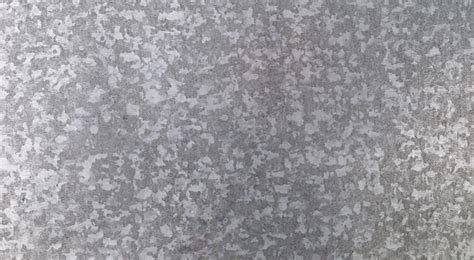
- Pros: Excellent rot resistance (no wood to rot!), modern aesthetic, durable, relatively lightweight, and can be very cost-effective if buying panels. Reflects heat, which can be good in some climates.
- Cons: Can get very hot in direct sun (though usually only heats the soil edge), sharp edges during construction, may require a frame (e.g., wood or metal posts) for rigidity.
- Budget-Friendly Tip: Source roofing or siding remnants, or look for kits that utilize corrugated sheets.
4. Concrete Blocks (CMU)
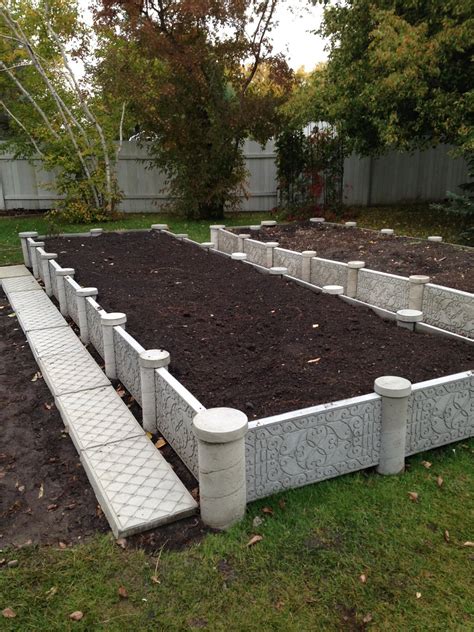
- Pros: Extremely durable, completely rot-proof, very affordable, and readily available. No leaching concerns for most types.
- Cons: Heavy to transport and build, can be labor-intensive, aesthetic may not appeal to everyone, potential for increasing soil pH if unlined (though generally minor).
5. Recycled Plastic Lumber
- Pros: Absolutely rot-proof, virtually maintenance-free, eco-friendly.
- Cons: High upfront cost, can sometimes sag or warp in extreme heat unless properly braced.
The Verdict: Best Budget-Friendly & Rot-Resistant Options
Considering both budget and longevity, a few options stand out:
- Top Recommendation (Value & Longevity): Galvanized Corrugated Metal. For its excellent durability, relatively low cost (especially if you can source panels efficiently), and ease of assembly, corrugated metal is hard to beat for long-term, rot-resistant raised beds.
- Good Alternative (Natural & Budget-Conscious): Untreated Cedar or Redwood. If you can find reclaimed or affordably priced cedar/redwood, it offers natural beauty and good rot resistance. Supplement with an internal liner to extend its life further.
- Solid Performer (Affordable & Durable): Modern Pressure-Treated Wood (Lined). If safety concerns are mitigated with an impermeable liner, modern pressure-treated lumber offers a very affordable and highly durable framework.
Tips for Extending Any Bed’s Life
- Use a Liner: For wood beds, a 6-mil plastic sheeting liner (stapled to the inside) can create a barrier between the soil and the wood, significantly extending the wood’s life and addressing any leaching concerns with treated lumber. Ensure drainage holes are cut in the bottom of the liner.
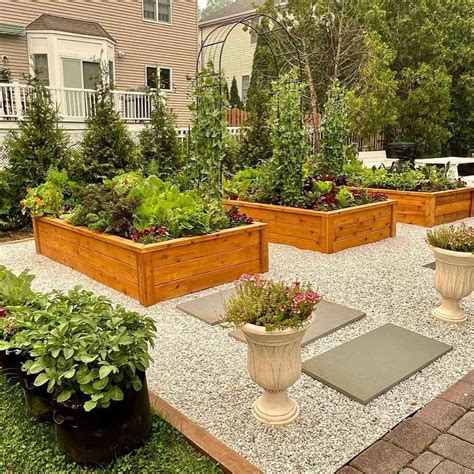
- Elevate Boards: If using wood, prevent direct contact with the ground by placing the bed on pavers or a gravel base, or by attaching rot-resistant feet.
- Good Drainage: Ensure the bottom of your raised bed allows for proper drainage to prevent waterlogging, which accelerates rot.
- Proper Construction: Use rust-resistant fasteners (galvanized or stainless steel screws) and sturdy joinery to prevent structural failure over time.
![870+ Catchy Gardening Team Name Ideas [2025]](/images/aHR0cHM6Ly90czEubW0uYmluZy5uZXQvdGg/aWQ9T0lQLlJ2WlZ2S1JobE5CZnVIVGZKWDRkOGdBQUFBJnBpZD0xNS4x.webp)
Conclusion
Building rot-resistant raised garden beds doesn’t have to break the bank. By carefully considering the properties of different materials and implementing smart construction techniques, you can create a durable and beautiful garden space that will serve you for many growing seasons. Galvanized corrugated metal and affordably sourced natural rot-resistant woods often present the best balance for the budget-conscious DIYer seeking longevity.