



How to engage kids in daily homestead chores naturally?

In the bustling world of homesteading, daily chores are not just tasks; they’re the lifeblood of a self-sufficient lifestyle. For families, integrating children into this rhythm can seem daunting. However, when approached naturally and thoughtfully, engaging kids in homestead chores transforms mundane duties into invaluable learning experiences, fostering responsibility, connection to nature, and essential life skills.
Cultivating a Playful Approach to Chores
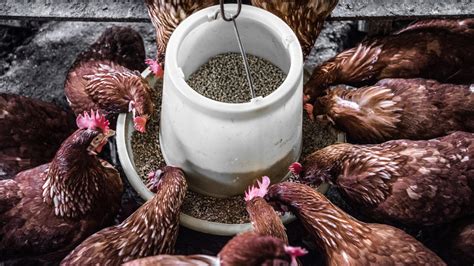
One of the most effective ways to engage children is to reframe chores as opportunities for play and adventure. Instead of “feeding the chickens,” call it “delivering breakfast to our feathered friends.” Turn weeding into a “treasure hunt” for pesky plants, or garden watering into a “rain dance” for the crops. Storytelling and imagination are powerful tools; create narratives around each task that captivate their young minds and make them eager participants rather than reluctant helpers.

Leading by Example and Early Involvement
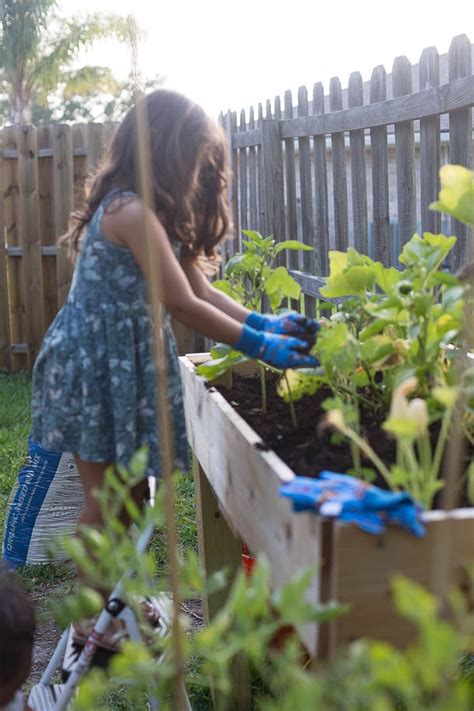
Children are natural mimics. The most powerful lesson you can impart is demonstrating joy and purpose in your own work. Involve them from the earliest age, even if it’s just carrying a small, unbreakable item or “helping” to sort seeds. Start with age-appropriate tasks that match their developmental stage. A toddler might enjoy watering a single potted plant, while an older child can manage feeding small animals or gathering eggs. Seeing you work alongside them, not just directing, builds a sense of camaraderie and shared purpose.
Fostering Ownership and Choice
Empowerment is a significant motivator. Give children a degree of autonomy over their responsibilities. Offer choices, such as “Would you like to help me collect eggs or pick tomatoes today?” This simple act of choosing gives them a sense of control and ownership over their contributions. When they feel a task is “theirs,” they are far more likely to approach it with enthusiasm. Explain the ‘why’ behind each chore – why the animals need food, why the garden needs weeding – connecting their efforts to tangible results and the well-being of the homestead.

The Educational Aspect: Connecting to Nature
Homesteading is a living classroom. Use chores as opportunities to teach about biology, ecology, and sustainability. When collecting eggs, talk about the chicken’s life cycle. While planting, discuss soil health and the needs of different plants. This natural education grounds them in the realities of food production and the interconnectedness of life. It makes their contributions meaningful beyond just “getting the job done,” showing them they are active participants in a larger ecosystem.
Patience and Positive Reinforcement, Not Perfection
It’s crucial to remember that the goal is engagement and learning, not perfection. Children will be slower, messier, and sometimes less efficient. Embrace the process. Focus on praising their effort and willingness to help, rather than the flawless execution of the chore. A spilled bucket of water or a few missed weeds are minor compared to the confidence and responsibility they are developing. Celebrate small victories and acknowledge their contributions regularly. Your patience and positive encouragement are the most valuable tools for long-term engagement.

Engaging kids in daily homestead chores naturally is not about creating tiny laborers, but about nurturing responsible, capable, and connected individuals. By making tasks fun, leading by example, fostering ownership, educating them, and practicing patience, you can weave chores seamlessly into the fabric of family life, building a resilient homestead and resilient children.