


DIY raised garden bed: Best design & materials for max organic veggie yield?

Why Go Raised? The Benefits for Organic Growth
Raised garden beds have revolutionized home gardening for many, offering a controlled environment that significantly boosts the success of organic vegetable cultivation. By elevating your garden, you gain superior control over soil quality, drainage, and even pest management, creating an ideal haven for your plants. These benefits translate directly into healthier crops, reduced effort, and ultimately, a more bountiful harvest of fresh, organic produce right at your doorstep.
Beyond the practical advantages, a well-designed raised bed can transform your outdoor space into a structured, aesthetically pleasing garden. They reduce soil compaction, allow for earlier spring planting (as the soil warms faster), and make gardening more accessible for those with mobility challenges, eliminating the need for excessive bending and kneeling.
Designing Your Dream Raised Bed: Key Considerations
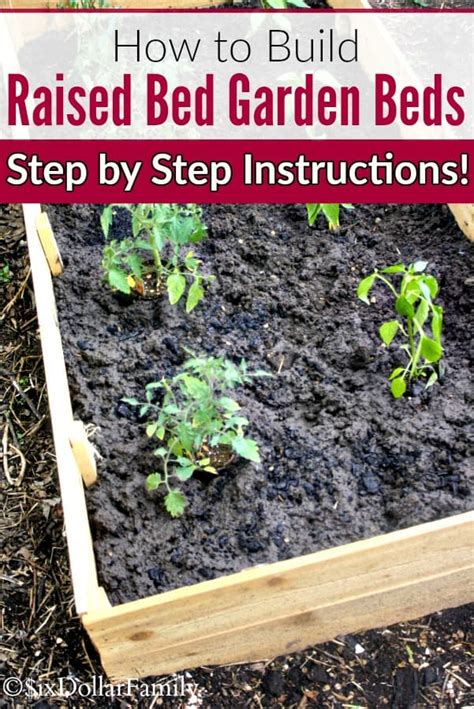
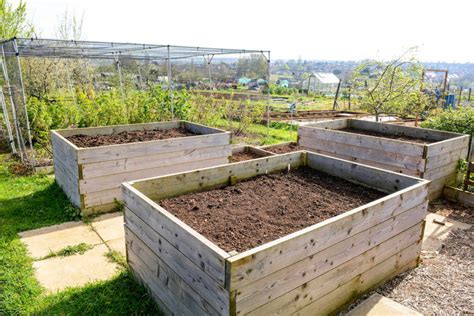
The success of your raised bed begins with thoughtful design. First, consider location: most vegetables thrive with at least 6-8 hours of direct sunlight daily. Ensure easy access to a water source and proximity to your home for convenience. When it comes to size, aim for a width that allows you to reach the center comfortably from either side, typically no more than 4 feet wide. The length can be whatever fits your space, but manageable sections are often preferred.
Depth is crucial for root development. For most vegetables, a minimum depth of 10-12 inches is recommended, though deeper beds (18-24 inches) are excellent for root crops like carrots and potatoes, and provide better insulation against temperature fluctuations. Proper drainage is also paramount; ensure your bed has an open bottom or adequate drainage holes if placed on an impermeable surface.
Choosing Your Materials: Durability, Safety, and Sustainability
The materials you select for your raised bed walls are vital, especially for organic gardening. You want options that are durable, non-toxic, and preferably sustainable.
- Wood: Untreated cedar and redwood are popular choices due to their natural rot resistance and attractive appearance. Avoid pressure-treated lumber, as it contains chemicals that can leach into your soil. Untreated pine can be used, but will have a shorter lifespan.
- Metal: Galvanized steel is a robust and long-lasting option. Look for food-grade galvanized steel or those specifically designed for gardening to ensure no harmful coatings. Corrugated metal beds are becoming increasingly popular for their modern aesthetic and durability.
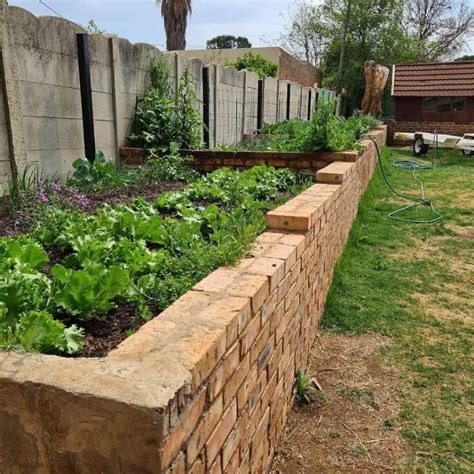
- Stone, Brick, or Concrete Blocks: These materials offer exceptional longevity and a classic look. While more labor-intensive to construct initially, they provide excellent thermal mass, helping to regulate soil temperature. Ensure you’re not using salvaged materials that might contain lead paint or other contaminants.
- Recycled Plastics/Composites: Some manufacturers offer raised beds made from recycled food-grade plastics or composite materials, which are durable and often require less maintenance. Always verify they are safe for food contact.

The Foundation of Fertility: Filling Your Raised Bed
Unlike in-ground gardens, you have complete control over the soil composition in a raised bed, which is a massive advantage for organic growers. A common and highly effective method is the “Hugelkultur” technique for the bottom layers, which involves adding logs, branches, leaves, and other organic matter. This slowly decomposes, improving drainage, aeration, and fertility over time.
Above this, fill your bed with a high-quality blend of organic soil, compost, and amendments. A good mix might include 60% topsoil, 30% high-quality compost, and 10% vermiculite or perlite for improved drainage and moisture retention. Test your soil’s pH and amend as needed to suit the specific vegetables you plan to grow. Healthy soil is the bedrock of a successful organic garden.
Maximizing Your Organic Harvest: Planting Strategies
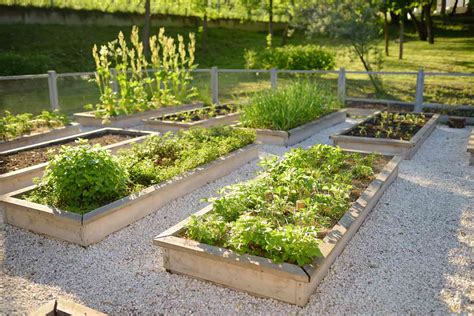
With your raised bed built and filled, it’s time to optimize your planting for maximum yield. Raised beds allow for intensive planting, often utilizing methods like Square Foot Gardening, where plants are spaced closer together than in traditional rows. This maximizes space and creates a living mulch that shades the soil, reducing weed growth and moisture evaporation.
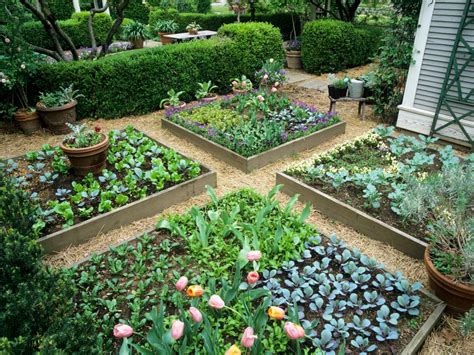
Consider succession planting: as one crop finishes, plant another in its place to keep the bed continuously productive throughout the growing season. Companion planting, strategically placing beneficial plants together (e.g., marigolds to deter pests, basil with tomatoes), can also enhance growth and protect your organic vegetables naturally. Consistent organic fertilization (compost tea, aged manure) and appropriate watering are also key.
Long-Term Care and Maintenance
To ensure your raised bed remains a high-yielding organic powerhouse for years, regular maintenance is essential. Practice crop rotation annually to prevent nutrient depletion and disease build-up. Top-dress your beds with fresh compost each spring to replenish nutrients. Mulch around plants with straw, shredded leaves, or wood chips to conserve moisture, suppress weeds, and regulate soil temperature.
In colder climates, consider winterizing your beds by covering them with straw or a tarp to protect the soil from harsh weather and erosion. Inspect your bed’s structure annually for any signs of wear or damage, especially if using wood, and address issues promptly to extend its lifespan.
Conclusion: Grow Smarter, Not Harder
Building a DIY raised garden bed is an investment that pays dividends in fresh, organic produce and gardening enjoyment. By carefully considering design principles, selecting safe and durable materials, and cultivating rich, living soil, you create an optimal environment for your vegetables to thrive. Embrace these strategies, and you’re well on your way to a season of abundant, delicious, and truly organic harvests from your very own backyard.