

Simple organic methods to boost soil health for a thriving veggie patch?

The Foundation: Understanding Soil Health
For any gardener dreaming of plump tomatoes, crisp lettuce, or a bountiful harvest, the secret doesn’t lie just in the seeds, but deep beneath them – in the soil. Healthy soil isn’t merely dirt; it’s a living ecosystem teeming with microbes, fungi, and beneficial organisms that work tirelessly to provide nutrients, retain moisture, and support robust plant growth. Ignoring soil health is like trying to build a skyscraper on sand; eventually, the structure will crumble. By adopting simple organic practices, you can transform tired soil into a vibrant, life-giving foundation for your veggie patch.

Composting: Your Garden’s Black Gold
Perhaps the most fundamental organic method for soil improvement is composting. Composting transforms kitchen scraps, yard waste, and other organic matter into a rich, nutrient-dense material often referred to as “black gold.” Adding compost to your garden beds offers a myriad of benefits:
- Nutrient Boost: It slowly releases essential nutrients, feeding your plants naturally without the need for synthetic fertilizers.
- Improved Soil Structure: Compost helps break up heavy clay soils, improving drainage, and also helps sandy soils retain moisture and nutrients.
- Microbial Life: It introduces and feeds beneficial microorganisms, which are crucial for nutrient cycling and disease suppression.
Starting a compost pile or bin is easier than you think. Balance “greens” (nitrogen-rich items like food scraps, grass clippings) with “browns” (carbon-rich items like dry leaves, shredded paper), keep it moist, and turn it occasionally to aerate. Your plants will thank you!

Mulching: Nature’s Protective Blanket
Mulching is a simple yet incredibly effective organic practice. Applying a layer of organic material over the soil surface brings numerous advantages:
- Weed Suppression: A thick layer of mulch blocks sunlight, preventing weed seeds from germinating and smothering existing weeds.
- Moisture Retention: Mulch acts as an insulator, reducing water evaporation from the soil surface, which means less frequent watering.
- Temperature Regulation: It keeps soil cooler in summer and warmer in winter, protecting plant roots from extreme temperature fluctuations.
- Soil Enrichment: As organic mulches (straw, shredded leaves, wood chips) decompose, they slowly release nutrients and add organic matter to the soil below.
Apply mulch around your plants, keeping it an inch or two away from stems to prevent rot. Aim for a depth of 2-4 inches for optimal benefits.
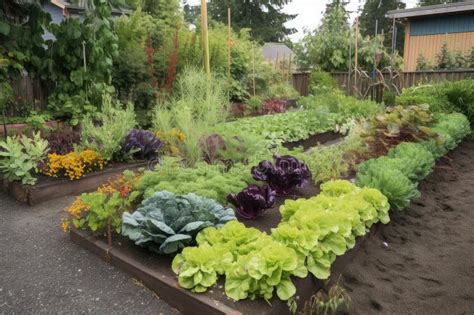
Cover Crops: The Green Manure Revolution
When garden beds are left bare, they’re vulnerable to erosion, nutrient leaching, and weed invasion. Enter cover crops, also known as “green manure.” These are plants grown specifically to benefit the soil, not for harvest. Sowing cover crops in off-seasons or in unused beds offers:
- Erosion Control: Their roots hold soil in place, preventing wind and water erosion.
- Nutrient Addition: Leguminous cover crops (clover, vetch) fix atmospheric nitrogen into the soil, while others (rye, oats) draw up nutrients from deeper soil layers, making them available to subsequent crops.
- Organic Matter: When tilled into the soil or simply cut down and left to decompose (chop-and-drop), they add valuable organic matter.
- Weed Suppression: A dense canopy of cover crops outcompetes weeds.
Common cover crops include crimson clover, hairy vetch, oats, and buckwheat. Choose varieties suited to your climate and gardening goals.

Embrace No-Dig and Gentle Tillage
Traditional gardening often involves extensive digging and tilling, which can be detrimental to soil health. Tilling disrupts the intricate soil structure, breaks up fungal networks, kills beneficial organisms, and releases stored carbon into the atmosphere. The “no-dig” or “minimal tillage” approach aims to preserve this delicate ecosystem.
By disturbing the soil as little as possible, you encourage the development of robust soil structure, foster thriving microbial communities, and promote the natural activity of earthworms, which are excellent soil aerators and decomposers. Instead of digging, simply layer organic materials (compost, leaves, straw) directly onto your beds, letting the worms and microbes do the work of incorporating them.
Crop Rotation and Encouraging Life Below
Beyond these primary methods, don’t forget the power of crop rotation. Planting the same vegetables in the same spot year after year can deplete specific nutrients and encourage pest and disease buildup. Rotating crops helps maintain nutrient balance and breaks pest cycles naturally.
Finally, remember to feed the microbes! Everything you do—adding compost, mulching, planting cover crops, and avoiding harsh chemicals—contributes to a vibrant, living soil. Healthy soil is a complex web of life, and fostering that life is the ultimate key to a thriving, productive veggie patch that will reward you with abundant harvests for years to come.
Conclusion: A Living Legacy
Boosting your soil health isn’t a one-time task; it’s an ongoing journey of nurturing and observation. By consistently implementing these simple organic methods – composting, mulching, planting cover crops, and embracing a no-dig philosophy – you’re not just growing vegetables; you’re cultivating a vibrant, resilient ecosystem. The result will be not only a thriving veggie patch bursting with flavor but also a more sustainable and rewarding gardening experience for you and the environment.