

How to pack real, homemade food safely for a long country road trip?
Why Homemade Food is Your Road Trip MVP
Embarking on a long country road trip is an adventure, and what makes it even better is having access to delicious, nutritious homemade food. Not only does it save money and allow for healthier choices, but it also adds a comforting touch of home to your journey. However, packing real food, especially perishables, requires careful planning to ensure it stays safe and appetizing for the duration of your trip. Let’s dive into the best strategies for a worry-free culinary experience on the open road.
Mastering Food Safety on the Go
Temperature Control is King
The golden rule for keeping food safe is maintaining proper temperatures. For cold foods, aim to keep them at or below 40°F (4°C); for hot foods (which are less common for long road trips), they should stay above 140°F (60°C). Since we’re focusing on homemade cold meals and snacks, a reliable cooler is your best friend.
- Pre-chill Everything: Before packing, chill your cooler by filling it with ice or ice packs for several hours. Ensure all food items are thoroughly chilled in the refrigerator before they go into the cooler.
- Ice vs. Ice Packs: A combination often works best. Solid ice packs (frozen gel packs or bottles of frozen water) stay colder longer and prevent waterlogging, while loose ice can fill gaps. Use a layer of ice at the bottom, then food, then more ice on top.
- Insulation: Invest in a high-quality cooler with good insulation. For extended trips, consider an electric cooler that plugs into your car’s 12V outlet, but always have a backup plan (like extra ice) in case of power issues.
Preventing Cross-Contamination
Keeping different food types separate is crucial to prevent the spread of bacteria.
- Separate Raw and Cooked: Always pack raw meats (if you’re bringing any for a grill stop) separately from cooked foods and fresh produce. Use dedicated, leak-proof containers for raw items.
- Wash Your Hands: Carry hand sanitizer or wipes for cleaning your hands before and after handling food, especially when stopping for meals.
- Clean Surfaces: If preparing food outside the car, ensure any surfaces used are clean or use disposable placemats.
Choosing the Right Gear: Containers and Coolers
Smart Container Choices
The right containers are key to keeping food fresh, preventing leaks, and making mealtime easy.
- Airtight and Leak-Proof: Opt for containers with secure, airtight seals. Glass containers are excellent for reheating and don’t retain odors, but they can be heavy and breakable. High-quality plastic or silicone containers are lighter and more durable.
- Portion Control: Pack meals and snacks in individual portions. This makes it easier to grab and eat without disturbing other items and reduces the chance of contamination.
- Reusable Bags: Silicone reusable bags are great for sandwiches, chopped fruit, or snacks.
Cooler Packing Strategies
How you pack your cooler significantly impacts how long your food stays cold.
- Bottom Layer (Longest Lasting): Place frozen items, large ice packs, or block ice at the very bottom.
- Middle Layer (Perishables): Pack meats, dairy, and other highly perishable items directly on top of the ice/ice packs. Use robust, leak-proof containers.
- Top Layer (Snacks & Drinks): Foods you’ll access frequently, like sandwiches, fruit, and drinks, should go on top.
- Fill Gaps: Use smaller ice packs, frozen water bottles, or even crumpled newspaper to fill any empty spaces. This reduces air circulation and helps maintain temperature.
- Minimize Opening: Only open the cooler when necessary and close it quickly to keep the cold in.
Food Selection: What Travels Best?
Some foods are simply better suited for road trips than others.
Road-Trip Friendly Meals
- Hard-boiled eggs: A protein powerhouse that travels well.
- Pasta or grain salads: Made with sturdy vegetables, vinaigrette dressings (creamy dressings can spoil faster).
- Wraps and sandwiches: Pack fillings separately and assemble on the go to prevent sogginess.
- Pre-cooked chicken or tofu: Great for adding to salads or wraps.
- Chili or hearty stews: Can be reheated if you have access to a microwave, or eaten cold/room temp if suitable.
Snack Smart
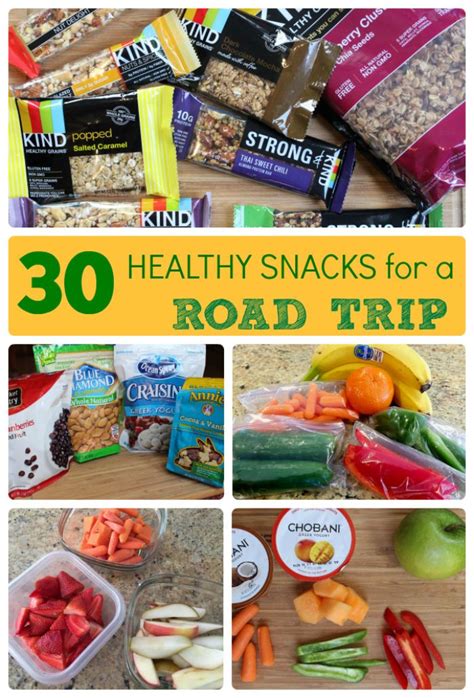
- Fresh fruit: Apples, oranges, grapes, berries (in sturdy containers).
- Vegetable sticks: Carrots, celery, bell peppers with hummus (packed separately).
- Nuts and seeds: Energy-dense and non-perishable.
- Cheese sticks or slices: Stays well in a cooler.
Foods to Avoid (or be extra careful with)
- Creamy dressings/sauces: High risk of spoilage.
- Delicate greens: Can wilt quickly.
- High-liquid foods: Prone to spilling.
- Strong-smelling foods: Can permeate your car.

Pre-Trip Preparation and On-Road Handling
Pre-Packing Checklist
- Plan Your Meals: Decide what you’ll eat for each meal and snack to avoid overpacking or running out.
- Prep Ingredients: Chop vegetables, cook grains, and prepare dressings in advance.
- Freeze What You Can: Freeze some meals or components (like soup, chili, or even sandwiches without fresh veggies) to act as extra ice packs and thaw as you need them.
Eating on the Road
- Designate a “Snack Bag”: Keep a small, easily accessible bag with non-perishable snacks and drinks that don’t need to be in the cooler.
- Rotate Food: Eat the most perishable items earlier in your trip.
- Observe Food Quality: If something smells off, looks discolored, or has an unusual texture, it’s safer to discard it.
Hygiene and Cleanup
Don’t forget the essentials for staying clean and tidy!
- Trash Bags: Keep a few small trash bags handy for wrappers, fruit peels, and food scraps.
- Wipes and Paper Towels: Essential for quick cleanups and spills.
- Hand Sanitizer: A must-have for cleaning hands before and after meals, especially when stops for washing aren’t readily available.
- Dishcloth/Sponge: If you plan to wash reusable containers, pack a small dishcloth and a bit of biodegradable soap.
Conclusion
Packing real, homemade food safely for a long country road trip is entirely achievable with a bit of planning and the right tools. By prioritizing temperature control, preventing cross-contamination, choosing suitable containers, and selecting road-trip-friendly foods, you can enjoy delicious, healthy meals that make your journey even more memorable. Happy trails and bon appétit!