


Best way to preserve summer garden tomatoes for winter sauces and stews?
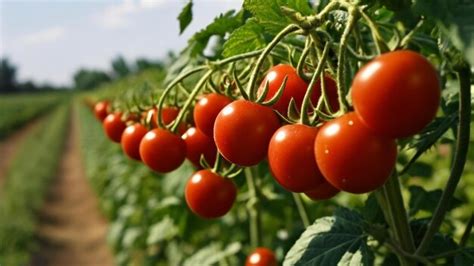
As summer draws to a close, garden enthusiasts often find themselves with an overwhelming bounty of ripe, juicy tomatoes. While fresh tomatoes are a delight, their season is fleeting. Preserving this vibrant harvest means enjoying the taste of summer sunshine long into the colder months. Luckily, there are several excellent methods to ensure your homegrown tomatoes are ready for hearty winter sauces, stews, and chilis.
Freezing Tomatoes: The Easiest Method
Freezing is arguably the simplest way to preserve tomatoes, requiring minimal equipment and effort. It’s perfect for both small and large quantities.
Whole or Halved Tomatoes
For quick freezing, simply wash your tomatoes, remove the core, and place them on a baking sheet lined with parchment paper. Freeze until solid, then transfer to freezer bags or airtight containers. The skins will slip off easily once thawed, making them perfect for sauces.
Chopped or Crushed Tomatoes
For a more prepared option, you can blanch, peel, and chop your tomatoes before freezing. Blanching involves submerging tomatoes in boiling water for 30-60 seconds, then immediately transferring them to an ice bath. The skins will then be easy to remove. Chop them as desired and freeze in portion-sized bags or containers.

Canning Tomatoes: For Shelf-Stable Storage
Canning offers a shelf-stable solution, allowing you to store tomatoes without refrigeration for extended periods. This method requires a bit more preparation and attention to safety protocols, especially regarding acidity.
Water Bath Canning Whole or Crushed Tomatoes
For whole, halved, or crushed tomatoes, a water bath canner is suitable, provided you acidify the tomatoes. This is crucial for safety as tomatoes are a low-acid food. Add 1 tablespoon of bottled lemon juice or 1/4 teaspoon of citric acid per pint jar, and 2 tablespoons of lemon juice or 1/2 teaspoon of citric acid per quart jar before filling with tomatoes. Process according to tested recipes for your altitude.
Tomato Sauce or Paste
Making a cooked tomato sauce or paste before canning is another excellent option. Cook down your tomatoes, season them, and then can them using the water bath method, ensuring proper acidification. Always follow USDA-approved canning recipes for safety.

Roasting and Dehydrating: Intense Flavors
These methods concentrate the tomato’s natural sugars, resulting in intensely flavored products perfect for adding depth to winter dishes.
Slow-Roasted Tomatoes
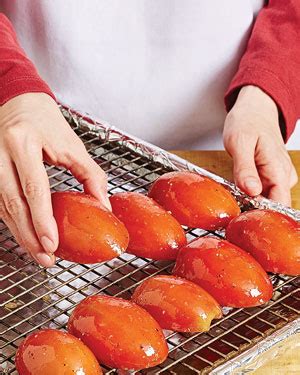
Halve or quarter tomatoes, toss with olive oil, salt, and herbs, then slow roast at a low temperature (around 250°F / 120°C) for several hours until shrunken and caramelized. These can then be frozen, or packed in olive oil and refrigerated for short-term use.
Dehydrated Tomatoes
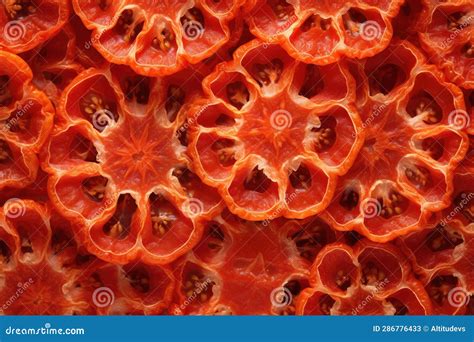
Using a food dehydrator or a low oven setting, dry sliced tomatoes until leathery but pliable. These ‘sun-dried’ tomatoes can be stored in airtight containers at room temperature, or rehydrated and added to dishes. They offer a powerful flavor boost.
Making and Storing Sauces, Purees, and Pastes
Transforming your fresh tomatoes directly into a finished product for winter is incredibly rewarding.
Ready-to-Use Sauces
Cook your tomatoes down into your favorite marinara, pizza sauce, or basic tomato puree. Season well, then cool and freeze in portion-sized containers. This way, you have a homemade sauce ready to thaw and heat for a quick meal.
Tomato Paste
For a rich, concentrated flavor, make homemade tomato paste. This involves cooking tomatoes down for a very long time until almost all moisture has evaporated. The paste can then be frozen in ice cube trays or small containers for easy access.

Tips for Success
- Use Ripe, Quality Tomatoes: The flavor of your preserved product directly reflects the quality of the fresh tomatoes.
- Sanitation is Key: Especially for canning, ensure all equipment and jars are sterilized to prevent spoilage.
- Label Everything: Include the date and contents on all your preserved items.
- Portion Wisely: Freeze or can in quantities that make sense for your typical meal preparation.
By investing a little time and effort during peak season, you can enjoy the unparalleled taste of your summer garden tomatoes throughout the cold winter months, elevating your sauces, stews, and countless other dishes with their vibrant flavor.