



What are essential canning recipes for a seasonal garden surplus?

When your garden thrives, it often provides more fresh produce than you can possibly consume in a single season. This wonderful abundance, while joyful, can also feel overwhelming. That’s where canning comes in – a time-honored tradition that allows you to preserve the peak freshness and flavor of your harvest, extending the enjoyment of your garden’s bounty all year long. From vibrant tomatoes to crisp pickles and sweet jams, canning is a rewarding way to reduce food waste and fill your pantry with homemade goodness.
Embracing the Abundance: Why Can Your Harvest?
Canning offers numerous benefits beyond just preventing waste. It allows you to control the ingredients in your food, avoiding unwanted additives and preservatives found in store-bought alternatives. Imagine enjoying garden-fresh tomato sauce in the dead of winter or pulling out a jar of homemade strawberry jam for your morning toast. It’s a taste of summer, preserved. While water bath canning is suitable for high-acid foods like fruits, jams, jellies, and pickles, low-acid vegetables require a pressure canner for safe preservation, a crucial distinction for food safety.

Essential Canning Recipes for Your Garden’s Bounty
Tomato-Based Delights
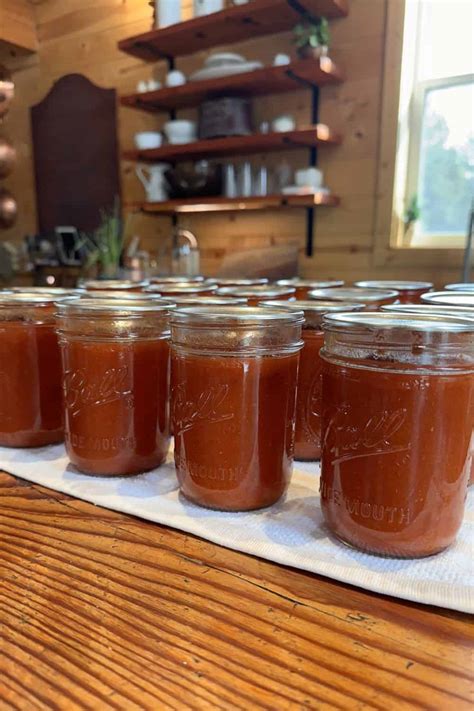
Tomatoes are often the most prolific crop in a summer garden, making them ideal candidates for canning. Their versatility means you can create a wide array of pantry staples.
- Classic Tomato Sauce: A fundamental recipe, perfect for pasta, pizza, or as a base for chili and stews. Simply process ripe, peeled tomatoes with herbs and spices.
- Zesty Salsa: A garden-fresh salsa with tomatoes, peppers, onions, and cilantro can be canned to bring a taste of summer to your chips, tacos, or eggs anytime.
- Diced Tomatoes: A simple yet invaluable preserve, diced tomatoes are excellent for soups, casseroles, and a multitude of savory dishes throughout the year.
Pickled Perfection
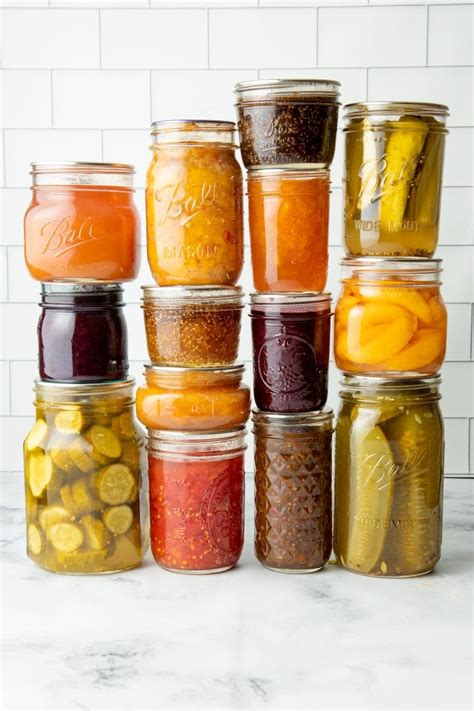
Cucumbers, green beans, and even carrots can be transformed into tangy, crisp pickles that add a zesty crunch to any meal. Pickling is a fantastic way to preserve these vegetables with a distinct flavor.
- Dill Pickles: The quintessential garden pickle, made with fresh dill, garlic, and pickling spices. Water bath canning ensures these crunchy treats last.
- Pickled Green Beans (Dilly Beans): A popular alternative to cucumber pickles, dilly beans are a flavorful side dish or snack, perfect for adding a zing to your plate.
Sweet Spreads and Fruit Preserves
Berries and stone fruits like peaches and plums burst with flavor, making them perfect for jams, jellies, and fruit butters. These preserves are delightful on toast, in desserts, or as a topping for yogurt.
- Berry Jam (Strawberry/Raspberry): Simple to make, berry jams capture the essence of summer fruits. A combination of fruit, sugar, and pectin (optional) yields a delicious spread.
- Apple Sauce/Butter: If you have an abundance of apples, canning homemade applesauce or rich apple butter is a delicious way to enjoy them. They’re excellent as a snack or in baking.

Versatile Vegetable Preserves
Beyond pickling, some low-acid vegetables can also be canned to be enjoyed plain or as ingredients in other dishes, though these typically require a pressure canner for safety.
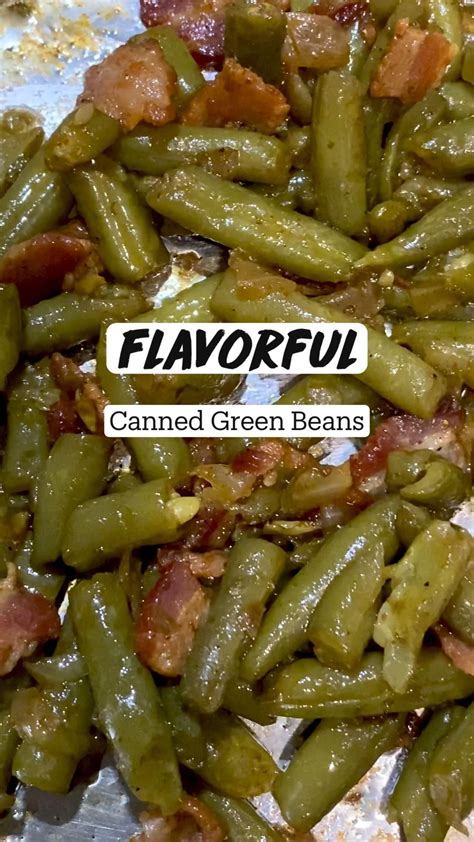
- Canned Green Beans: Preserve plain green beans to use in casseroles or as a simple side dish. This requires a pressure canner.
- Corn Relish: A vibrant relish made with fresh corn, peppers, and onions in a tangy brine. It’s a wonderful condiment for hot dogs, burgers, or salads.
Tips for Successful Canning
- Cleanliness is Key: Always start with clean jars, lids, and tools, and sterilize jars as required by your recipe.
- Follow Tested Recipes: Use reliable, tested canning recipes from reputable sources (e.g., NCHFP, university extension offices) to ensure food safety.
- Understand Your Equipment: Know the difference between water bath canning and pressure canning, and use the correct method for your specific food.
- Proper Headspace: Leave the recommended amount of space between the food and the lid for a proper seal.
- Check Seals: After cooling, check that all jars have sealed properly before storing.
Conclusion
Canning your garden’s surplus is a fulfilling way to extend the harvest, enjoy fresh flavors year-round, and stock your pantry with healthy, homemade food. With these essential recipes, you can confidently turn a mountain of seasonal produce into a treasure trove of delicious preserves, making the most of every sun-ripened fruit and vegetable your garden provides.