



Best way to prevent homemade pickles from getting mushy?

Understanding the Mushy Pickle Problem
There’s nothing quite as satisfying as biting into a perfectly crisp homemade pickle. Conversely, few things are as disappointing as opening a jar to find your beloved cucumbers have transformed into a soft, mushy mess. This common pickling woe can deter even seasoned home cooks, but with the right techniques and understanding, you can consistently achieve that satisfying crunch.
The texture of your finished pickles is influenced by several factors, including the type of cucumber, the brine composition, and the processing method. By addressing these key areas, you can virtually eliminate the risk of mushy pickles.
Start with the Right Cucumbers
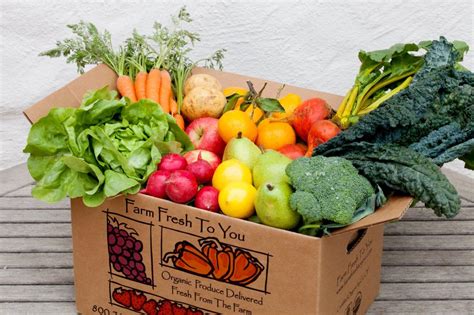
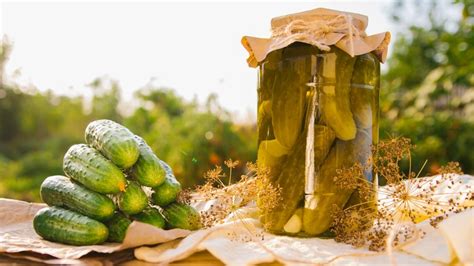
The foundation of a crisp pickle begins with the cucumber itself. Not all cucumbers are created equal for pickling. Opt for “pickling cucumbers” or “kirby cucumbers,” which are typically smaller, firmer, and have thinner skins. Avoid standard slicing cucumbers, as they often have higher water content and thicker skins that don’t absorb brine as well, leading to a softer result.
Freshness is Key: Use cucumbers that are as fresh as possible, ideally picked the same day or within 24 hours. Older cucumbers begin to lose moisture and firmness, making them more susceptible to becoming mushy. Before pickling, trim a small slice off both the blossom and stem ends of each cucumber, as these areas contain enzymes that can contribute to softening.
The Power of a Proper Brine
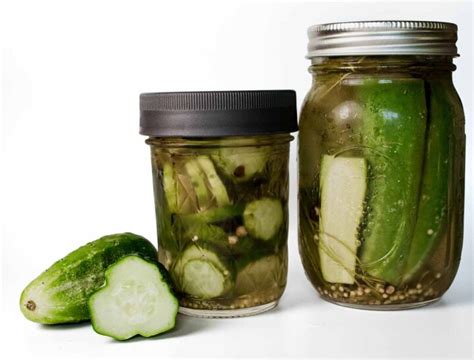
The brine isn’t just for flavor; it’s crucial for crispness. A well-balanced brine draws water out of the cucumbers and replaces it with the pickling solution, firming up the texture. Ensure your salt-to-water ratio is accurate – too little salt can lead to soft pickles. Use pickling salt, which is fine-grained and free of anti-caking agents that can cloud your brine.
Many recipes recommend an initial soak for cucumbers in an ice bath for a few hours before pickling. This step helps to firm up the cucumber flesh even further, giving them a head start on crispness. Some even suggest a brief soak in a saltwater solution (brining before brining) for extra firming.

Incorporating Crispness Enhancers
For an extra safeguard against mushiness, consider adding natural or commercial crispness enhancers:
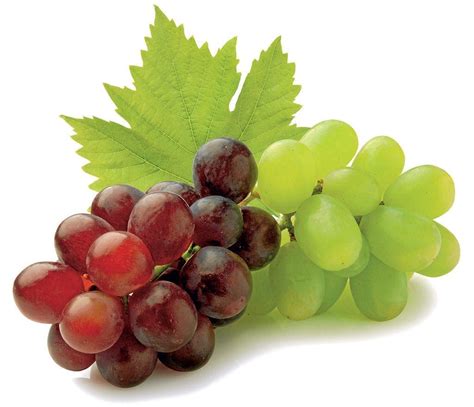
- Tannins: Tannin-rich leaves can help keep pickles firm. Good options include grape leaves, oak leaves, cherry leaves, or even horseradish leaves. Place one or two small leaves at the bottom of each jar before packing with cucumbers.
- Calcium Chloride (Pickle Crisp): This food-grade additive, often sold as “Pickle Crisp,” provides calcium ions that react with pectin in the cucumbers, strengthening their cell walls. A small amount (usually 1/4 teaspoon per quart jar) can make a significant difference.
- Alum: While historically used, alum is less common today as it can impart a metallic taste if overused. Calcium chloride is generally preferred for its effectiveness and neutral flavor.
Mindful Processing and Storage
Over-processing is a common culprit for mushy pickles, especially when water bath canning. Heat can break down the pectin in cucumbers, leading to a softer texture. Follow recipe instructions precisely for processing times. Often, shorter processing times (e.g., 5-10 minutes) are sufficient for dill pickles, and refrigerator pickles require no processing at all, relying solely on the brine for preservation and crispness.
After processing, allow your pickles to cure for at least a few weeks (or as per recipe) in a cool, dark place. This allows the flavors to meld and the brine to fully penetrate the cucumbers, further contributing to their texture. Once opened, store refrigerated. While properly canned pickles are shelf-stable, colder temperatures help maintain their crispness after opening.
Final Tips for Peak Crispness
- Always use filtered water for your brine, as chemicals in tap water can sometimes interfere with the pickling process.
- Ensure all your jars and lids are sterilized and clean to prevent spoilage, which can also affect texture.
- Experiment! Sometimes a combination of techniques, like using fresh kirby cucumbers with a grape leaf and a touch of pickle crisp, yields the best results for your palate.
By paying attention to these details—from the type of cucumber you choose to the way you process and store them—you can master the art of making perfectly crisp, crunchy homemade pickles every time. Say goodbye to mushy disappointments and hello to satisfying snaps!