





How to adapt heirloom recipes to use fresh, seasonal, real food ingredients?

Heirloom recipes carry history, love, and tradition, often reflecting the culinary practices and available ingredients of generations past. While their nostalgic charm is undeniable, many can benefit from a modern update that aligns with today’s focus on fresh, seasonal, and real food ingredients. Adapting these cherished dishes can make them healthier, more vibrant, and more sustainable without losing their soul.
Understanding the Soul of the Original Recipe
Before making any changes, it’s crucial to understand the essence of the heirloom recipe. If possible, prepare it as originally written at least once. Pay attention to the dominant flavors, key textures, and unique cooking methods. What makes this dish special? Is it a particular spice blend, a slow-cooked richness, or a specific ingredient combination? Identifying these core elements will guide your adaptations, ensuring you preserve the heart of the dish.

Prioritizing Seasonal and Local Produce
This is often the most impactful way to modernize an heirloom dish. Swapping canned or out-of-season produce for fresh, local, and seasonal options significantly enhances flavor and nutritional value.
Fruit Swaps
If a dessert recipe calls for peaches in winter, consider substituting with seasonal apples, pears, or cranberries. For berry-based dishes, use frozen berries picked at their peak, or wait for the abundance of local summer harvests. The vibrant taste of in-season fruit can elevate any pie, crumble, or preserve.
Vegetable Substitutions
A hearty stew or casserole might traditionally use root vegetables available year-round. While delicious, consider adding or substituting with seasonal greens, fresh corn, summer squash, or ripe tomatoes when they are at their best. Think about similar textures and flavor profiles to maintain balance.
Swapping Processed for Whole Food Ingredients
Many older recipes relied on convenience items that contained high levels of sodium, sugar, or unhealthy fats. Modernizing means opting for less processed, more natural alternatives.
Fats and Oils
Replace hydrogenated shortenings or margarine with healthier fats like unsalted butter, olive oil, avocado oil, or coconut oil. High-quality rendered lard from pasture-raised animals can also offer excellent flavor and cooking properties if desired.
Sugars and Sweeteners
Often, heirloom recipes are much sweeter than modern palates prefer. Reduce the amount of refined sugar and consider natural sweeteners such as honey, maple syrup, or fruit purees. The natural sweetness of seasonal fruits can often allow for a significant reduction in added sugars.
Flours and Grains
Experiment with whole wheat flour, oat flour, or alternative flours in baking to add fiber and nutrients. In casseroles, swap white rice for brown rice, quinoa, farro, or other whole grains.
Canned Goods
Whenever possible, replace store-bought canned broths with homemade stock. Use fresh or frozen vegetables and tomatoes instead of their canned counterparts. Instead of condensed cream soups, try making a simple roux with milk and herbs to create a fresh, flavorful binder.

Adjusting Flavor Profiles and Cooking Methods
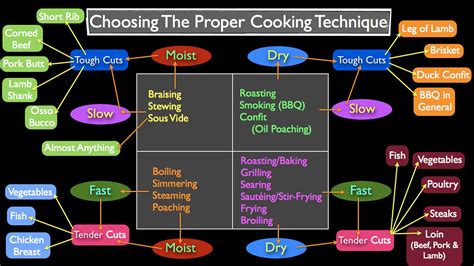
Fresh ingredients often bring more robust and nuanced flavors, which means you might need less seasoning. Taste as you go and adjust. Consider how cooking methods can enhance the new ingredients. Roasting vegetables, for example, caramelizes their natural sugars, bringing out deeper flavors than boiling. Braising tougher cuts of meat with seasonal root vegetables can yield incredible depth. Don’t be afraid to finish dishes with fresh herbs or a squeeze of lemon or lime juice to brighten the overall taste.
Documenting Your Culinary Journey
As you experiment, keep detailed notes. Write down what changes you made, why you made them, and how they impacted the final dish. Did it taste better? Was the texture improved? This practice helps you refine your adaptations and recreate successful versions. Over time, you’ll create a new, personalized heirloom recipe that honors its past while embracing the present’s focus on health and flavor.

Adapting heirloom recipes is a rewarding way to connect with culinary history while embracing a healthier, more sustainable approach to eating. It’s an act of love – for your family’s past, your body’s future, and the planet’s well-being. So, dust off those old recipe cards, explore your local farmer’s market, and start experimenting to create delicious, fresh, and real food versions of your favorite classics!