




How can busy families involve kids in real food prep & country living chores?

Cultivating Responsibility and Connection Through Chores
In an increasingly fast-paced world, busy families often grapple with how to instill practical life skills and a connection to the land in their children, especially when it comes to real food preparation and country living chores. While the idea of adding more tasks to an already packed schedule might seem daunting, involving kids in these essential activities offers invaluable benefits, from fostering independence and responsibility to strengthening family bonds and a deeper appreciation for where food truly comes from.

Why Get Kids Involved? More Than Just Helping Hands
Beyond simply getting tasks done, engaging children in food prep and chores teaches them critical life skills they’ll carry into adulthood. They learn about nutrition, food sourcing, basic culinary techniques, and the satisfaction of contributing to a shared household. For families embracing a country living lifestyle, these chores connect children directly to their environment, teaching them about animal care, gardening, natural cycles, and the effort required to maintain a home and land. It builds character, resilience, and a sense of belonging.
Simplifying Real Food Prep for Little Chefs
Age-Appropriate Tasks Are Key
- Toddlers (2-4 years): Washing fruits and vegetables, stirring ingredients, tearing lettuce, mashing soft foods (like bananas).
- Preschoolers (4-6 years): Measuring ingredients, setting the table, kneading dough, peeling potatoes (with supervision), cracking eggs.
- Elementary (6-10 years): Chopping soft vegetables (with kid-safe knives), assembling salads, baking simple recipes, packing lunches, loading the dishwasher.
- Tweens/Teens (10+ years): Following recipes independently, meal planning, grilling, using the oven, preserving food (canning, freezing).
Make It Fun and Educational
Turn cooking into a game! Assign a “chef of the day” or have themed cooking nights. Talk about where ingredients come from, discuss healthy eating habits, and encourage creativity. Involve them in garden-to-table processes – harvesting vegetables and then preparing them for dinner. Even quick, simple meals can become learning opportunities.

Engaging Children in Country Living Chores
From Garden to Barn: Tasks for Every Age
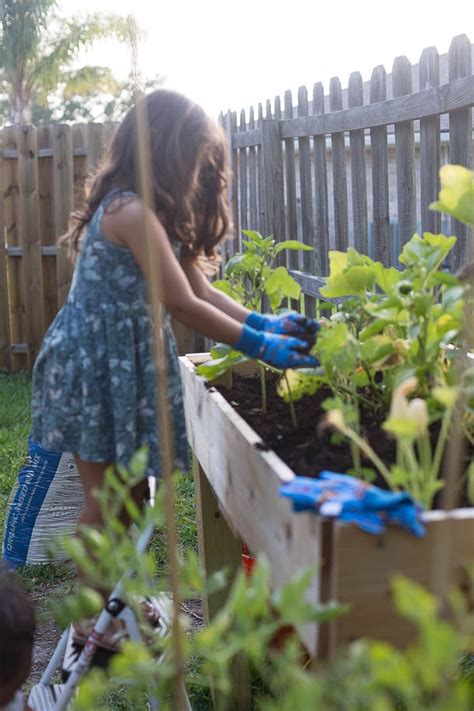
- Garden Chores: Planting seeds, watering plants, weeding (identifying weeds is a skill!), harvesting produce, composting.
- Animal Care: Filling water and food bowls for pets or livestock, collecting eggs, brushing animals, helping with stable cleaning (age-appropriate).
- Homestead Maintenance: Gathering firewood, raking leaves, sweeping porches, helping with simple repairs (e.g., holding tools), organizing storage areas.
Teaching the “Why” Behind the Work
Explain the purpose of each chore. Why do we weed the garden? To give the vegetables space to grow. Why do we collect eggs daily? To keep them fresh and the coop clean. Understanding the impact of their efforts fosters a deeper sense of responsibility and connection to the land and its creatures. Show them the results of their labor – a bountiful harvest, healthy animals, a tidy home.

Strategies for Busy Families: Making It Work
Integrate Chores into Routine
Establish a regular chore schedule or assign specific roles for different days. Consistency helps children understand expectations and builds habits. Maybe every Saturday morning is “farm chore morning,” or dinner prep involves specific roles for each family member.
Embrace Imperfection
It won’t always be neat, quick, or perfect, especially at first. The goal is participation and learning, not flawless execution. Patience and positive reinforcement go a long way.
Celebrate Contributions
Acknowledge and praise their efforts. A simple “great job helping with dinner!” or “thanks for feeding the chickens today, that was a big help” can motivate children more than any elaborate reward system. Family meals made together, or enjoying the fruits of a garden they helped tend, are natural rewards.
Lead by Example
Children are keen observers. When they see parents actively engaged in food prep and chores, they are more likely to participate willingly and understand the value of the work.

Building a Legacy of Self-Sufficiency and Connection
Involving kids in real food prep and country living chores might require an initial investment of time and patience from busy families, but the returns are immeasurable. You’re not just getting tasks done; you’re raising capable, confident, and connected individuals who understand the value of hard work, healthy eating, and a deep respect for the natural world. These shared experiences become cherished family memories and lay the groundwork for a lifetime of practical skills and responsible living.