



Best wood for a long-lasting, food-safe raised garden bed?

Cultivating Success: Choosing the Right Wood for Your Raised Garden Bed
Raised garden beds offer numerous benefits, from better soil drainage and fewer weeds to easier access and extended growing seasons. However, the success and safety of your elevated oasis heavily depend on one critical decision: the type of wood you choose. For a bed that lasts for years and safely nourishes your edible plants, selecting the right lumber is paramount. This guide explores the best options for a durable, food-safe raised garden bed.
Key Considerations for Wood Selection
Before diving into specific wood types, it’s essential to understand the primary factors guiding your choice:
- Food Safety: This is non-negotiable for edible gardens. The wood must not leach harmful chemicals or toxins into the soil, which could then be absorbed by your plants.
- Durability and Rot Resistance: Raised beds are constantly exposed to moisture, soil, and the elements. You need wood that can withstand these conditions without quickly rotting, warping, or degrading.
- Cost: Budget is always a factor. While some premium woods offer superior longevity, more economical options might suit shorter-term projects or smaller budgets.
- Availability: Certain wood types might be easier to source in your region than others.
Top Choices for Durability and Food Safety
When longevity and safety are your highest priorities, these woods stand out:
1. Redwood (Heartwood)
Renowned for its natural resistance to rot, insects, and decay, redwood heartwood is an excellent choice. It’s naturally durable, ages beautifully, and contains no chemicals that would harm your plants or the soil. While it comes at a premium price, its exceptional lifespan often justifies the initial investment, making it a truly long-lasting solution.
2. Cedar (Western Red or Eastern Red)
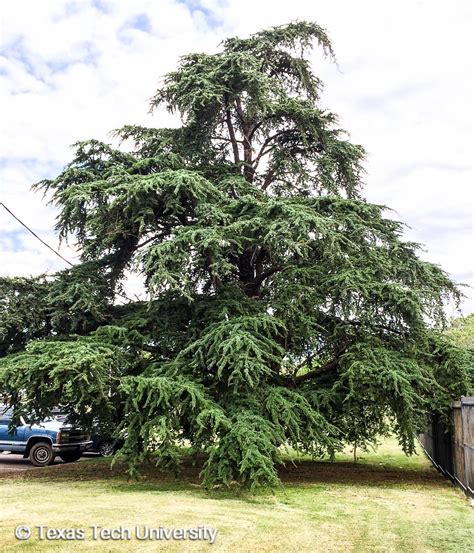
Similar to redwood, cedar is naturally resistant to rot and insects thanks to its inherent oils. Western Red Cedar is particularly popular for its stability and beautiful appearance. It’s a fantastic food-safe option that offers a great balance of durability and cost, often being more accessible than redwood. Cedar has a lovely aroma and weathers gracefully over time.
3. Cypress
Cypress, especially the heartwood, boasts excellent water and rot resistance due to its natural preservatives (cypressene). It’s a strong, durable wood that performs well in moist environments. While it might be pricier than some softwoods, its natural resilience makes it a smart, food-safe choice for a long-lasting garden bed.
4. Black Locust
Considered one of the most durable and rot-resistant woods in North America, black locust is an exceptional, albeit often harder to find, option. It’s incredibly dense and can last for decades, even when in direct contact with the ground. It’s a sustainable choice often used for fence posts due to its extreme longevity and requires no chemical treatment. It can be challenging to work with due to its hardness.
Economical Options (with Considerations)
If budget is a major concern, certain untreated softwoods can be used, but be aware of their shorter lifespan.
Untreated Pine, Fir, Spruce
These common and inexpensive softwoods are readily available. The main drawback is their lack of natural rot resistance. Without treatment, they will likely start to decompose within 3-7 years, depending on climate and soil contact. To extend their life and ensure food safety, you could line the interior of the bed with a heavy-duty, food-grade pond liner or landscape fabric, creating a barrier between the wood and the soil. This prevents direct soil contact and some moisture absorption, but the wood itself will still degrade from external exposure.

Woods to Strictly Avoid for Food-Safe Beds
For the safety of your produce and your family, some woods should never be used for edible garden beds:
1. Older Pressure-Treated Lumber (CCA)
Lumber treated with chromated copper arsenate (CCA) was common before 2003 and contains arsenic, a heavy metal toxic to humans. While no longer used for residential purposes, older decks or salvaged wood might still contain it. Avoid at all costs for food gardens.
2. Newer Pressure-Treated Lumber (ACQ, MCA)
Modern pressure-treated woods use less toxic chemicals like Alkaline Copper Quat (ACQ) or Micronized Copper Azole (MCA). While manufacturers often deem them safe for garden use, most gardening experts still recommend against using them for beds growing edible crops. There’s ongoing debate and concern about potential leaching of copper into the soil, which can accumulate over time and affect plant health or human consumption. Err on the side of caution and opt for naturally resistant woods instead.
3. Wood with Known Toxins (e.g., Black Walnut)
Some woods, like black walnut, naturally contain juglone, a chemical that can inhibit the growth of many plants (it’s allelopathic). Avoid using such woods for any part of your raised bed where they could contact the soil.

Maximizing Your Raised Bed’s Lifespan
Beyond wood choice, a few practices can extend your raised bed’s life:
- Elevate from Ground: Place the bed on a gravel base or pavers to prevent direct contact with moist soil, reducing rot from the bottom up.
- Proper Drainage: Ensure good drainage within the bed to prevent waterlogging, which accelerates wood decay.
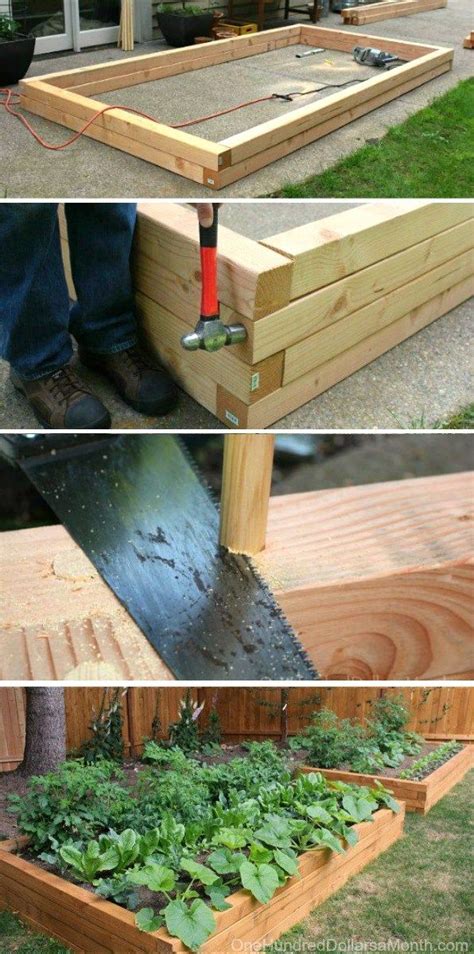
- Quality Fasteners: Use stainless steel or galvanized screws and hardware, as these will resist rust and corrosion much longer than standard fasteners.
- Interior Lining: For non-naturally resistant woods, a food-grade pond liner or heavy-duty plastic sheeting (with drainage holes) can create a barrier between soil and wood, significantly extending the wood’s life and preventing any potential leaching.

Conclusion: Invest in the Best for Your Harvest
When building a raised garden bed for food production, the initial investment in high-quality, naturally rot-resistant, and food-safe wood pays dividends in longevity, less maintenance, and peace of mind. Redwood, cedar, cypress, and black locust are your top contenders for a bed that will stand strong for many seasons, providing a safe and productive environment for your homegrown vegetables, herbs, and fruits. Choose wisely, build well, and enjoy the bountiful harvests to come!