



Simple ways to involve kids in real food garden-to-table meals?

Cultivating Little Hands: From Soil to Supper
In an age where fast food often dominates, teaching children about where their food comes from is more important than ever. Involving kids in the garden-to-table process not only instills healthy eating habits but also provides invaluable life skills, encourages patience, and creates lasting family memories. It doesn’t require a sprawling farm or expert culinary skills; simple, age-appropriate activities can make a world of difference. Let’s explore some delightful ways to get your children excited about real food, right from your own backyard or even a small balcony.
1. Start Small & Easy in the Garden
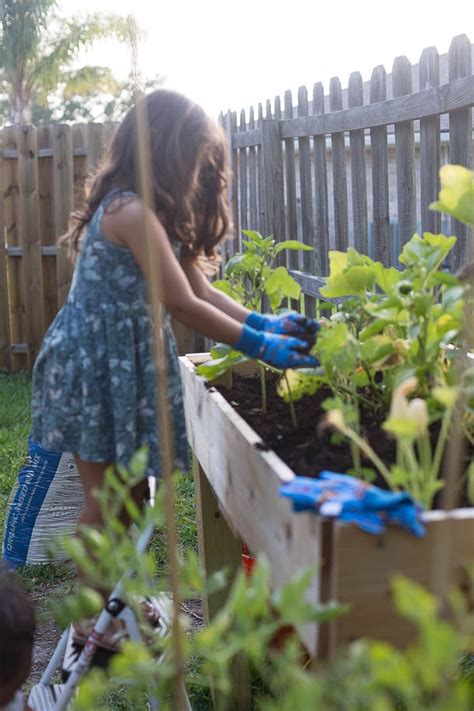
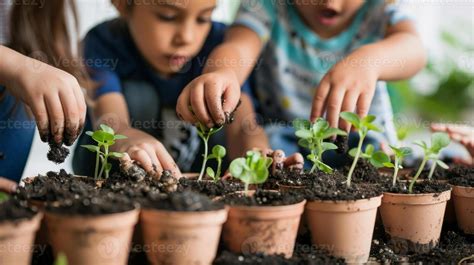
You don’t need a massive plot to begin. A few pots on a patio, a raised bed, or even a windowsill herb garden can be enough. Choose plants that are easy to grow and have a quick turnaround time to keep kids engaged. Radishes, lettuce, cherry tomatoes, snap peas, and sunflowers are fantastic choices. Let your child pick what they want to grow from a selection you know will thrive. Give them their own small set of gardening tools – even a child-sized trowel and watering can make them feel like a professional.
2. The Thrill of Harvesting
Once the plants are ready, the real fun begins! Involve kids in every step of the harvest. Teach them how to gently pick ripe vegetables or fruits. Explain why some things are ready and others need more time. This hands-on experience connects them directly to the food source. The excitement of pulling a carrot from the soil or plucking a sun-warmed tomato is an experience far more memorable than seeing produce in a grocery store.
Turn harvesting into a treasure hunt, asking them to find the reddest tomato or the biggest zucchini. This gamification can make what might seem like a chore into an adventure. Emphasize the freshness and the vibrant colors and smells of just-picked produce.
3. Simple Kitchen Prep Tasks
Bringing the bounty into the kitchen opens up a whole new world of learning. Assign age-appropriate tasks to your children, making them feel like essential contributors to the meal. For younger kids, this might mean washing vegetables, tearing lettuce for a salad, or stirring ingredients in a bowl. Older children can help chop softer vegetables (with supervision), measure ingredients, or even read simple recipes.

4. Let Them Choose & Create
Empower your kids by letting them make choices about what to cook with the harvested produce. Offer a few simple recipe options and let them pick. Even better, encourage them to invent their own simple dishes or modify existing ones. Perhaps they want to add extra herbs they grew to a pasta sauce or create a unique salad dressing. This creative freedom boosts their confidence and sense of ownership over the meal.
5. The Joy of Eating Together
The final, most rewarding step is sitting down to enjoy the meal together. Emphasize that they played a crucial role in bringing the food to the table. Talk about the journey from seed to plate, recounting their contributions. Children are often more willing to try new foods, especially vegetables, when they’ve been involved in growing and preparing them. Celebrate their efforts and praise their culinary creations, no matter how simple.

Benefits Beyond the Plate
Involving kids in garden-to-table meals extends far beyond just eating vegetables. It teaches them about responsibility, the cycle of nature, basic science, and the value of hard work. It strengthens family bonds through shared activities and creates positive associations with healthy food. These simple practices can lay the foundation for a lifetime of healthy eating habits and a deeper appreciation for the food we consume. So, grab some seeds, a small trowel, and invite your children to embark on a delicious adventure!