





How to adapt old family recipes for today’s real food pantry?

There’s a special comfort in revisiting a cherished family recipe, a taste that transports you back to grandma’s kitchen or holiday gatherings. But as our understanding of nutrition evolves and the “real food” movement gains momentum, many of those beloved dishes, often rich in refined ingredients, can feel a bit out of sync with a modern, health-conscious pantry. The good news is you don’t have to abandon tradition to eat well. Adapting old family recipes for today’s real food pantry is a rewarding journey that preserves heritage while embracing wholesome ingredients.

Understanding Your Real Food Pantry
First, let’s define what a “real food pantry” typically entails. It emphasizes whole, unprocessed ingredients: fruits, vegetables, whole grains, healthy fats, quality proteins, and natural sweeteners. It steers clear of highly processed foods, artificial additives, excessive refined sugars, and industrial seed oils. When you approach an old recipe, the goal isn’t to strip it of its essence, but to find cleaner, more nutritious versions of its components.
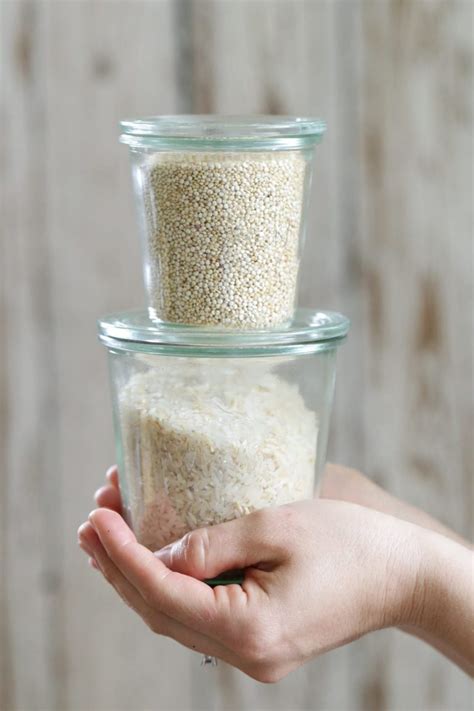
Strategic Ingredient Swaps: The Foundation
The easiest and most impactful way to adapt recipes is through smart ingredient substitutions. Here are some common areas:
- Fats: Replace hydrogenated oils, margarine, or conventional vegetable oils with grass-fed butter, ghee, coconut oil, avocado oil, or olive oil (for lower heat cooking). These fats offer better nutrient profiles and are less inflammatory.
- Sweeteners: Instead of refined white sugar, opt for natural alternatives like maple syrup, honey, dates, or small amounts of unrefined cane sugar or coconut sugar. You might even find that many recipes can be delicious with less sweetness overall.
- Flours: White all-purpose flour can often be swapped, partially or entirely, with whole wheat flour, spelt flour, oat flour, almond flour, or a gluten-free blend, depending on the recipe’s structure requirements. Be prepared to adjust liquid content slightly.
- Dairy: If a recipe calls for milk, cream, or cheese, consider using organic, grass-fed, or even raw dairy products if available and suitable for your diet. For non-dairy options, unsweetened almond, oat, or cashew milks are excellent substitutes.
- Canned Goods & Processed Items: Instead of canned cream of mushroom soup, make a roux with real butter and whole milk, then add fresh mushrooms. Use homemade chicken or vegetable broth instead of store-bought high-sodium versions. Opt for whole, peeled tomatoes instead of diced with added calcium chloride.

Adjusting Techniques for Health and Flavor
Beyond ingredient swaps, consider subtle changes in cooking methods and ingredient ratios:
- Reduce Sodium: Old recipes often rely heavily on salt. Start by halving the suggested amount and taste as you go, supplementing flavor with herbs, spices, and fresh aromatics like garlic and onion.
- Boost Vegetables: Many classic comfort foods can be made more nutritious by simply adding more vegetables. Sneak in grated carrots or zucchini into meatloaves, add extra greens to stews, or bulk up casseroles with roasted vegetables.
- Cooking Methods: If a recipe traditionally involves deep-frying, explore baking, air-frying, or pan-frying with less healthy fat. Roasting vegetables instead of boiling them enhances their natural sweetness and nutrient retention.
- Portion Sizes: While not a direct recipe adaptation, being mindful of traditional large portion sizes can also contribute to a healthier outcome when enjoying these richer dishes.

Preserving the Heart of the Dish
The goal isn’t to create an entirely new dish, but to elevate an existing one. To ensure the adapted recipe still evokes that cherished memory:
- Focus on Key Flavors: Identify the signature spices, herbs, or flavor profiles that define the original recipe. These are non-negotiable and should be preserved.
- Texture Matters: If a recipe is known for being creamy, crunchy, or chewy, ensure your adaptations maintain a similar desirable texture.
- Start Small: Don’t overhaul everything at once. Make one or two key substitutions and see how they impact the dish before attempting more drastic changes.

Testing, Tasting, and Iterating
Adapting recipes is an art, not a precise science. Be prepared for some trial and error. Make notes on your changes and their outcomes. Did it need more seasoning? Was the texture off? Did the sweetness level feel right? Over time, you’ll develop an intuition for how different substitutions behave and how to best tailor your family’s classics to your real food pantry.
Embracing a real food pantry doesn’t mean saying goodbye to your culinary heritage. With a little creativity and a willingness to experiment, you can transform cherished family recipes into nourishing, delicious meals that honor tradition while supporting your health goals.