



Tips for involving kids in garden chores without constant nagging?

Involving children in garden chores can be a deeply rewarding experience, offering opportunities for learning, physical activity, and connecting with nature. However, the path to cooperative gardening isn’t always smooth and can often feel paved with requests that go unheard. The good news is, with a few strategic approaches, you can transform garden duties from a battleground into a shared adventure, eliminating the need for constant nagging.
Make it an Adventure, Not a Chore
The key to engaging kids is to reframe the activity. Instead of “helping with chores,” present it as an exciting project, a treasure hunt, or a scientific experiment. Children are naturally curious; tap into that curiosity.
- Storytelling: Invent stories about the plants they’re caring for or the “weeds” they’re rescuing the garden from.
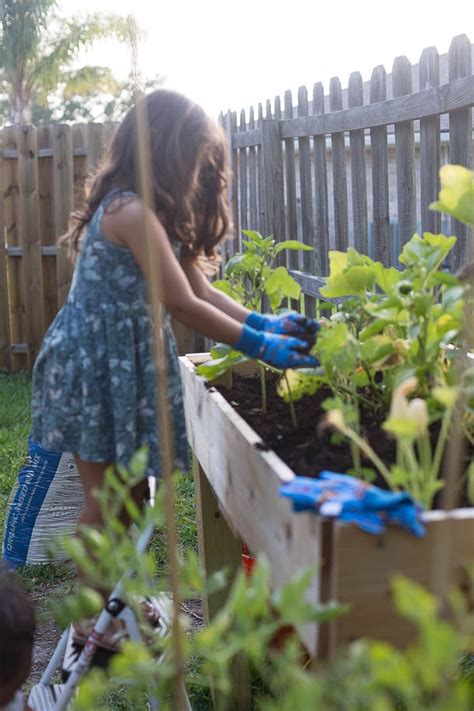
- Tools of the Trade: Provide them with their own child-sized gardening tools. Feeling like a proper gardener with their own equipment can be a huge motivator.
- Gamify Tasks: Turn weeding into a “weed monster” hunt, watering into a “rain dance” for thirsty plants, or planting into a race to see whose seed sprouts first.

Give Them Ownership and Choice
Children thrive when they feel a sense of control and responsibility. Allowing them to make decisions about their garden involvement can significantly boost their enthusiasm.
Their Own Patch
Dedicate a small section of the garden solely to them. Let them choose what to plant—whether it’s flowers, vegetables, or even just a patch for “magic beans.” This personal space fosters a deep connection to the task at hand.
Choice of Tasks
Instead of dictating, offer choices. “Would you like to water the tomatoes or help me pick the ripe berries today?” Giving them agency within boundaries makes them more likely to participate willingly.

Age-Appropriate Tasks and Clear Instructions
Matching tasks to a child’s developmental stage is crucial to prevent frustration and build confidence.
- Toddlers (1-3 years): Simple tasks like watering with a small can, “digging” in loose soil, or picking up large leaves.
- Preschoolers (3-5 years): Can help with planting large seeds, gently pulling weeds, raking small piles, and washing vegetables.
- Early Elementary (6-9 years): Introduce more complex tasks like planting seedlings, harvesting, composting, and measuring distances for planting.
- Pre-teens and Teens (10+ years): Can take on pruning, pest identification, garden planning, and even constructing simple garden features.
Always provide clear, simple instructions, demonstrating the task first. Break down complex jobs into smaller, manageable steps.

Lead by Example and Be Present
Children learn by observing. When they see you enjoying gardening, they’re more likely to want to join in. Make gardening a shared activity rather than a solo chore you delegate.
- Work Alongside Them: Don’t just supervise; actively participate. This not only models the behavior but also turns it into quality family time.
- Talk About It: Point out interesting things you observe—a worm, a budding flower, a ladybug. Share your excitement about the garden’s progress.
Embrace Imperfection and Offer Positive Reinforcement
The goal isn’t a perfectly manicured garden; it’s to foster a love for nature and responsibility. Kids will be messy, and tasks won’t always be done “right.”
- Praise Effort, Not Just Outcome: “I love how carefully you watered those seedlings!” or “Thank you for working so hard on clearing that patch.”
- Focus on the Fun: Celebrate small victories—the first sprout, the biggest tomato, the prettiest flower they grew.
- Flexibility: Understand that some days they’ll be more enthusiastic than others. If they’re not into it, don’t force it. Try again another time.

Harvesting the Rewards
Seeing the fruits (and vegetables!) of their labor is one of the most powerful motivators. Involve them in harvesting, preparing, and even eating the produce they helped grow. This closes the loop, showing them the tangible results of their efforts and reinforcing the value of their contribution.
Conclusion
Engaging children in garden chores without constant nagging is less about imposing rules and more about cultivating a positive experience. By making it fun, giving them ownership, adapting tasks to their age, leading by example, and celebrating their efforts, you’re not just growing plants; you’re nurturing a love for nature, responsibility, and invaluable family memories that will last a lifetime.