


How to naturally deter slugs from garden greens?
Understanding the Slug Problem in Your Garden
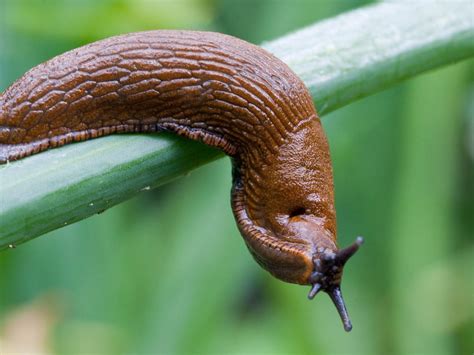
Slugs are notorious garden pests, capable of devouring an entire crop of lettuce, hostas, or other leafy greens overnight. While chemical solutions exist, many gardeners prefer natural, eco-friendly methods to protect their produce, especially when it comes to edibles. Adopting a holistic approach that combines several natural deterrents can effectively minimize slug damage without harming beneficial insects, pets, or the environment.
Before you implement any strategy, it’s crucial to understand where slugs come from and what attracts them. They thrive in moist, cool conditions and often hide under debris, rocks, or dense foliage during the day, emerging at night to feed. Eliminating their favorite hiding spots and reducing overall garden moisture are foundational steps in natural slug control.
Physical Barriers and Traps
One of the most immediate ways to protect your plants is by creating physical barriers that slugs cannot cross or by luring them into traps. These methods are simple, effective, and require minimal upkeep once established.
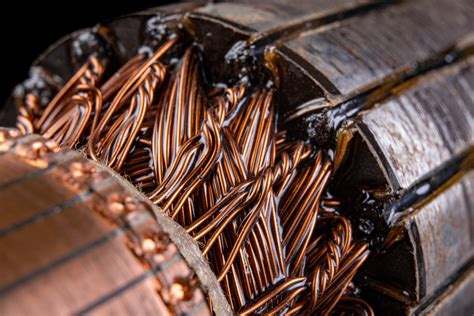
- Copper Tape: Slugs react with copper, experiencing a mild electric shock. Placing copper tape around raised beds, pots, or directly on the ground around vulnerable plants creates an effective barrier.
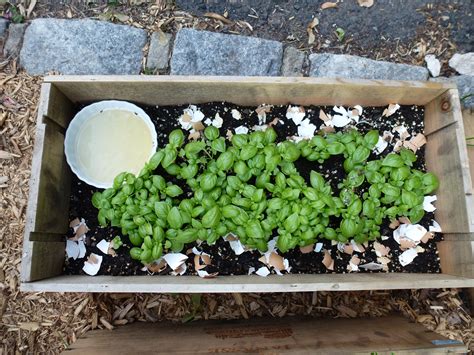
- Crushed Eggshells or Diatomaceous Earth (DE): Both eggshells and DE have sharp, abrasive edges that deter slugs. Spread a generous layer around the base of plants. Diatomaceous earth works by dehydrating slugs, but it needs to be reapplied after rain.
- Beer Traps: A classic method! Bury a shallow dish (like a tuna can) up to its rim in the soil near affected plants and fill it with beer. Slugs are attracted to the yeast, crawl in, and drown. Empty and refill regularly.
- Grapefruit or Melon Rinds: Place inverted rinds near plants. Slugs will crawl underneath for shelter and to feed on the residue. In the morning, simply collect the rinds (with slugs) and dispose of them away from your garden.
Natural Repellents and Garden Additives
Certain substances can naturally repel slugs, making your garden less appealing to them without causing harm. These can be applied directly to the soil or foliage.
- Coffee Grounds: Slugs dislike caffeine. Sprinkle used coffee grounds around the base of susceptible plants. As a bonus, coffee grounds also enrich the soil.
- Garlic Spray: A strong garlic solution can deter slugs. Crush several cloves of garlic, steep them in water, strain, and then spray the diluted mixture directly onto plants and surrounding soil.
- Neem Oil: A natural pesticide, neem oil can deter slugs and other pests. Dilute it according to package instructions and apply it as a foliar spray.
- Salt: While salt kills slugs on contact, it can also damage plants and soil structure. Use it extremely sparingly and directly on slugs you find, rather than as a general garden treatment.

Companion Planting and Garden Hygiene
Smart planting choices and good garden maintenance can significantly reduce slug populations over time, creating a less hospitable environment for them.
- Deterrent Plants: Plant slug-repelling plants near your garden greens. Examples include lavender, rosemary, mint, marigolds, and nasturtiums. While some slugs might still nibble, these plants can generally reduce their presence.
- Trap Crops: Consider planting a ‘trap crop’ that slugs prefer even more than your greens, like sacrificial hostas or marigolds, a short distance away from your main crops. They will gravitate towards these, allowing you to easily collect and remove them.
- Reduce Moisture and Hiding Spots: Slugs love damp, dark places. Regularly clear away garden debris, fallen leaves, and weeds. Water your garden in the morning so that the soil surface has a chance to dry out before slugs become active at night. Improve air circulation around plants by spacing them appropriately.
- Encourage Predators: Attract natural slug predators to your garden, such as frogs, toads, ground beetles, and birds. Provide habitat for these beneficial creatures.

A Continuous Effort for a Slug-Free Garden
Naturally deterring slugs is rarely a one-time fix; it’s an ongoing process that often requires a combination of methods. Regularly monitor your garden for signs of slug activity and adjust your strategies as needed. By consistently employing these natural, non-toxic approaches, you can enjoy a bountiful harvest of healthy, undamaged garden greens while maintaining an environmentally friendly space.