



Best tips to get kids to help with homestead chores & love country living?

Embracing a country living or homesteading lifestyle often means a significant amount of daily work. From feeding animals and tending gardens to maintaining property, there’s always something to do. While it might seem easier to tackle these tasks yourself, involving children from a young age can instill invaluable life skills, a strong work ethic, and a deep appreciation for the land and the food it provides. The key is to make it an enriching experience, not just a list of tasks.
Start Early and Make it Age-Appropriate
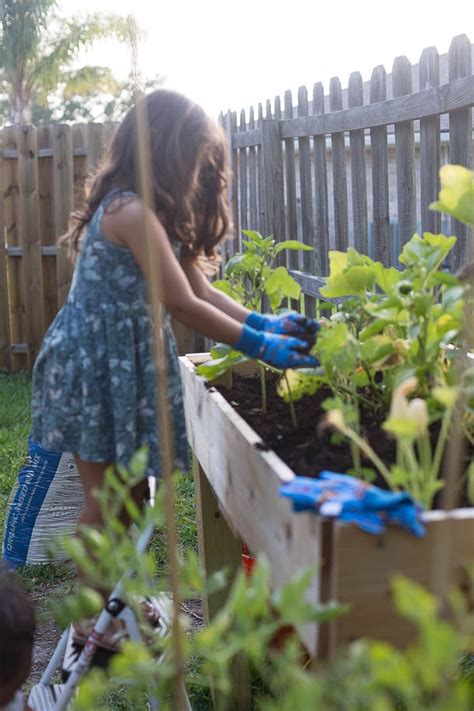
Introducing chores early helps normalize the idea of contributing to the household. Even toddlers can help by picking up toys, bringing in lightweight mail, or watering a small indoor plant. As they grow, tasks can evolve. Preschoolers can help gather eggs, pull weeds, or sort laundry. Older children can take on more complex responsibilities like caring for specific animals, assisting with garden planting and harvesting, or basic tool maintenance. The goal is to provide tasks that challenge them slightly but are still achievable, building confidence rather than frustration.
Turn Chores into Games and Adventures
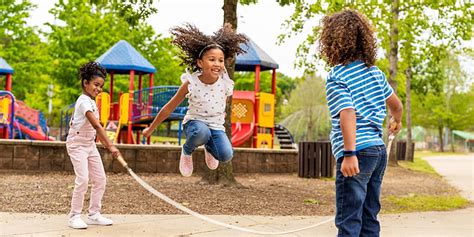
Who says chores have to be boring? Transform tasks into engaging activities. For instance, make ‘chicken patrol’ a mission to collect eggs, or turn weeding into a treasure hunt for pesky invaders. Use imagination to create stories around tasks; perhaps they are tiny farmers protecting their crops from ‘dragon weeds.’ Friendly competitions or race-the-clock challenges can also inject fun, especially when working on a task together. Remember to focus on the process and the shared experience, not just the outcome.
Teach the ‘Why’ and Foster Connection
Kids are naturally curious. Explain the importance behind each chore. Why do we feed the chickens daily? Because they need to be healthy to lay delicious eggs. Why do we weed the garden? To ensure our vegetables have space and nutrients to grow big and strong. This ‘why’ connects their efforts directly to tangible results – fresh eggs for breakfast, homegrown tomatoes for dinner. This understanding cultivates a sense of purpose and shows them how their efforts directly contribute to the family’s well-being and the bounty of the homestead.
Lead by Example and Offer Positive Reinforcement
Children learn best by observing. If they see you enthusiastically tackling chores, they are more likely to adopt a similar attitude. Work alongside them, sharing the load and demonstrating proper techniques. When they complete a task, offer genuine praise and acknowledge their effort. This isn’t about material rewards, but rather about recognizing their contribution and building their self-esteem. A simple “Great job helping with the weeding, the garden looks fantastic!” can go a long way.

Embrace the Outdoors and Simple Pleasures
Beyond structured chores, encourage a deep appreciation for the natural world that country living offers. Spend time exploring the woods, identifying plants and animals, stargazing, or simply sitting and listening to the sounds of nature. Teach them about the changing seasons, the cycles of life on a farm, and the joy of creating things with their hands. These experiences, coupled with their involvement in daily tasks, will naturally foster a love for the country lifestyle, creating memories and building a connection that lasts a lifetime.
Conclusion
Getting kids to help with homestead chores and love country living isn’t about forcing them into labor; it’s about inviting them into a lifestyle, teaching them valuable skills, and helping them forge a deep connection to their environment. By starting early, making tasks engaging, explaining their purpose, leading by example, and nurturing their appreciation for nature, you can raise responsible, capable children who not only contribute to the homestead but also truly cherish the unique joys of rural life.