



How do I extend my growing season for fresh produce on my homestead?

For homesteaders, the dream of fresh, homegrown produce year-round often bumps up against the reality of a finite growing season. However, with strategic planning and a few clever techniques, you can significantly extend the period your garden produces, enjoying a more consistent harvest of nutritious food.
Understanding Your Climate and Microclimates
Before implementing any strategies, take time to understand your local climate zone, average first and last frost dates, and even the microclimates within your own property. Observe which areas get the most sun, are sheltered from wind, or retain heat longer. This knowledge is fundamental to making informed decisions about where and when to plant.

Utilize Protective Structures
Protective structures are perhaps the most effective way to shield plants from adverse weather and extend their growing period. They trap warmth and protect against frost, wind, and heavy rain.
Cold Frames and Cloches
Simple and inexpensive, cold frames are bottomless boxes with transparent tops that sit over garden beds. They can extend the season by several weeks on both ends. Cloches, even simpler, are individual covers for single plants, ideal for providing temporary protection during unexpected cold snaps.
Row Covers and Low Tunnels
Lightweight row covers, made from spun-bonded polypropylene, can be draped directly over plants or supported by hoops to create low tunnels. They offer frost protection, insect deterrence, and can slightly raise soil temperatures. Choose heavier weights for more insulation.
Greenhouses and Hoop Houses
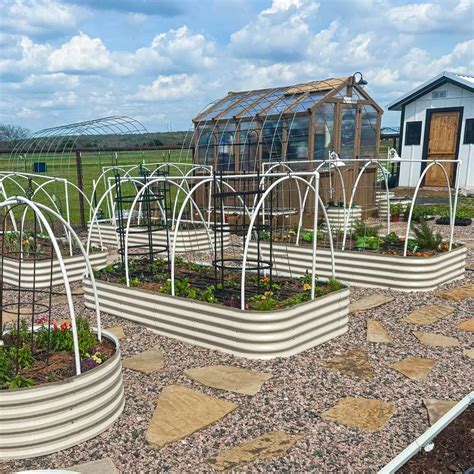
For a more substantial investment, a greenhouse or hoop house offers the greatest control over your growing environment. These structures allow for year-round cultivation in many regions, enabling you to grow tender crops through winter or get a significant head start in spring. Consider passive solar designs or adding thermal mass to maximize efficiency.

Smart Planting Strategies and Variety Selection
Beyond structures, how you plant and what you plant plays a crucial role in season extension.
Start Seeds Indoors
Getting a jump start on the season by germinating seeds indoors under grow lights allows you to transplant larger, more robust seedlings into the garden once conditions are favorable, shaving weeks off their time to maturity outdoors.
Succession Planting
Instead of planting your entire crop at once, plant smaller batches every 2-3 weeks. This ensures a continuous harvest rather than a single large one, especially for crops like lettuce, radishes, and bush beans.
Choose Cold-Hardy and Fast-Maturing Varieties
Select plant varieties specifically bred for cold tolerance or those with shorter maturity times. Many kale, spinach, and collard varieties can withstand light frosts, and some radishes are ready in less than a month.

Optimize Your Soil and Water
Healthy soil and efficient watering are foundational to productive gardening, especially when pushing the season’s boundaries.
Mulch Heavily
Applying a thick layer of organic mulch (straw, leaves, wood chips) around plants helps regulate soil temperature, keeping it warmer longer into fall and cooler in early spring. It also conserves moisture and suppresses weeds.
Raised Beds and Hugelkultur
Raised beds warm up faster in spring and drain better than in-ground beds, making them excellent for early planting. Hugelkultur beds, built with decaying wood at their base, provide a long-term slow release of nutrients and moisture, while also generating a slight amount of warmth as the wood decomposes.
Heat Management and Harvesting Techniques
Thermal Mass
In greenhouses or even sheltered outdoor beds, incorporating thermal mass elements like dark-colored rocks or water-filled barrels can absorb solar heat during the day and slowly release it overnight, moderating temperature swings.
Strategic Watering
Water plants in the morning so foliage has time to dry before nightfall, reducing fungal disease risk. In protected environments, consider drip irrigation to deliver water directly to roots efficiently.
Extended Harvesting
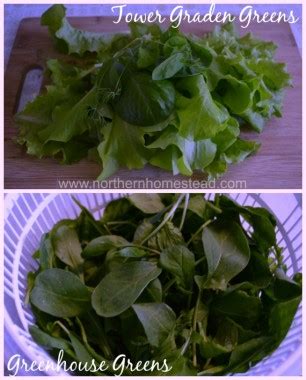
Many crops, like kale, chard, and lettuce, can be harvested “cut-and-come-again,” allowing you to take outer leaves while the plant continues to produce. This extends their useful life in the garden.
Conclusion
Extending your growing season on the homestead is a rewarding endeavor that combines understanding nature with practical ingenuity. By layering techniques—from simple cold frames to strategic planting and soil enrichment—you can significantly increase your harvest window, providing your family with fresh, wholesome produce for a much larger portion of the year. Start small, experiment with what works best for your specific conditions, and enjoy the delicious fruits (and vegetables!) of your labor.