




Best organic ways to enrich garden soil for heirloom tomatoes?

The Foundation of Flavor: Why Soil Matters for Heirloom Tomatoes
Growing heirloom tomatoes is a rewarding endeavor, offering a diverse array of unique flavors, colors, and shapes that commercial varieties simply can’t match. However, to truly unlock their potential, the secret lies beneath the surface: in the soil. Heirloom tomatoes are notoriously particular about their growing medium, demanding rich, well-draining, and nutrient-dense soil to thrive. Organic soil enrichment not only provides the essential nutrients but also fosters a healthy soil microbiome, crucial for robust plant growth and disease resistance.

Understanding Heirloom Tomato Soil Needs
Before diving into specific amendments, it’s vital to understand what heirloom tomatoes crave. They prefer a slightly acidic to neutral pH, typically between 6.0 and 6.8. Good drainage is paramount; soggy roots are a death sentence. Furthermore, they are heavy feeders, requiring a steady supply of nitrogen for leafy growth, phosphorus for root and fruit development, and potassium for overall plant vigor and disease resistance, along with a host of micronutrients.
Compost: The Gold Standard of Soil Enrichment
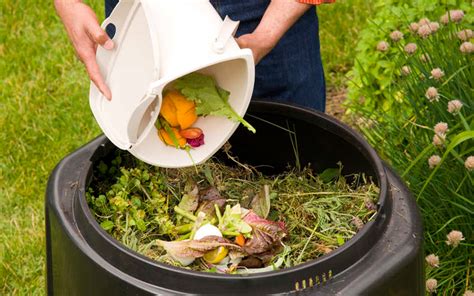
Hands down, compost is the single best organic amendment for almost any garden, especially for heirloom tomatoes. It improves soil structure, enhances drainage in heavy clay soils, increases water retention in sandy soils, and slowly releases a broad spectrum of nutrients. Aim to incorporate 2-4 inches of high-quality, finished compost into your tomato beds each season, ideally in the fall or early spring before planting. This black gold teems with beneficial microorganisms that transform raw organic matter into plant-available nutrients.
Beyond Compost: Other Organic Amendments
Aged Manure and Worm Castings
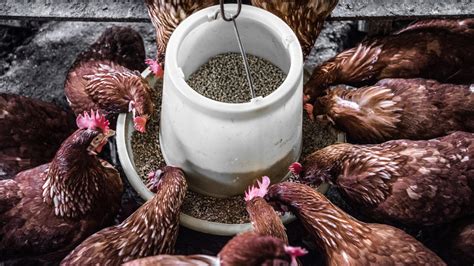
Aged animal manure (chicken, cow, horse, or sheep) is another powerhouse, providing a rich source of nitrogen and other essential nutrients. It’s crucial that the manure is well-aged (at least 6 months) to prevent burning plants with excess nitrogen and to eliminate potential pathogens or weed seeds. Worm castings, the byproduct of vermicomposting, are incredibly nutrient-dense and introduce beneficial microbes without the risk of burning. They can be worked into the soil, used as a top dressing, or even brewed into a compost tea.
Cover Crops and Green Manure
Planting cover crops like clover, vetch, rye, or buckwheat in the off-season is an excellent long-term strategy for soil enrichment. These ‘green manures’ protect the soil from erosion, suppress weeds, and, when tilled under, add significant organic matter and nutrients. Leguminous cover crops, in particular, fix atmospheric nitrogen, making it available to subsequent crops like tomatoes.

Mineral Boosters: Bone Meal, Alfalfa Meal, and More
- Bone Meal: A natural source of phosphorus, vital for strong root development and flower/fruit set. Work it into the planting hole.
- Alfalfa Meal: Provides a gentle source of nitrogen, along with beneficial growth hormones.
- Kelp Meal: Rich in micronutrients, amino acids, and growth stimulants, enhancing overall plant health and stress resistance.
- Greensand or Rock Phosphate: Slow-release sources of potassium and phosphorus, respectively, for long-term soil improvement.
- Epsom Salts: (Magnesium sulfate) Can address magnesium deficiencies, which sometimes occur with tomatoes, resulting in yellowing leaves between veins. Use sparingly.
The Importance of Soil Testing
The best way to know what your soil truly needs is through a professional soil test. This will provide detailed information on your soil’s pH, nutrient levels, and organic matter content, guiding your amendment choices and preventing the over-application of specific nutrients, which can be just as detrimental as deficiencies.

Ongoing Soil Health and Maintenance
Beyond initial preparation, maintaining soil health throughout the growing season is key. Apply a thick layer of organic mulch (straw, shredded leaves, wood chips) around your tomato plants. Mulch conserves soil moisture, regulates temperature, suppresses weeds, and slowly breaks down to add organic matter. Consider practicing crop rotation to prevent the buildup of soil-borne diseases and pests, and to balance nutrient usage over time. Companion planting with beneficial herbs and flowers can also contribute to a healthier garden ecosystem.
Putting It All Together for a Bountiful Harvest
By consistently implementing these organic soil enrichment strategies – from the foundational compost to targeted mineral boosters and ongoing maintenance – you’ll create an ideal environment for your heirloom tomatoes. Healthy soil translates directly into healthy plants, leading to a season full of vibrant, flavorful, and incredibly productive heirloom tomatoes that taste as good as they look. Embrace the holistic approach of organic gardening, and your soil, and your taste buds, will thank you.