

Making homemade meals family chores: easy age-appropriate tasks?

Why Involve Kids in Meal Preparation?
In a world often dominated by convenience foods, the act of preparing homemade meals as a family is becoming a cherished, yet sometimes challenging, tradition. Involving children in the process isn’t just about lightening a parent’s load; it’s a powerful way to impart crucial life skills, build confidence, and create lasting memories. From understanding nutrition to mastering basic kitchen safety, the kitchen offers an invaluable learning lab for kids of all ages.
Beyond the practical skills, sharing kitchen responsibilities fosters teamwork, communication, and a sense of contribution within the family unit. When children participate in making a meal, they are more likely to try new foods, appreciate the effort involved, and take pride in their collective creation. It transforms a daily necessity into an engaging, educational, and bonding experience.

Age-Appropriate Tasks: A Guide for Every Child
The key to successful family meal prep lies in assigning tasks that align with a child’s developmental stage and abilities. Starting simple and gradually increasing complexity ensures engagement without frustration.
Toddlers and Preschoolers (Ages 2-5)
Even the youngest members can contribute! Focus on tasks that are safe, sensory, and require minimal fine motor skills.
- Washing produce: Rinsing fruits and vegetables in a colander.
- Stirring: Mixing ingredients in a bowl (cold items like salads or batters).
- Tearing: Ripping lettuce or herbs for salads.
- Pouring: Adding pre-measured liquids to a bowl.
- Setting the table: Distributing napkins, plates (non-breakable), and cutlery.
- Wiping: Cleaning up small spills with a cloth.

Early Elementary (Ages 6-8)
Children in this age group can handle more precise tasks and begin to understand basic measurements.
- Measuring ingredients: Scooping and leveling flour, sugar, or other dry goods.
- Cracking eggs: With supervision and a separate bowl to check for shells.
- Spreading: Buttering bread or spreading sauce on a pizza crust.
- Cutting soft foods: Using a butter knife for bananas, cooked pasta, or soft cheeses.
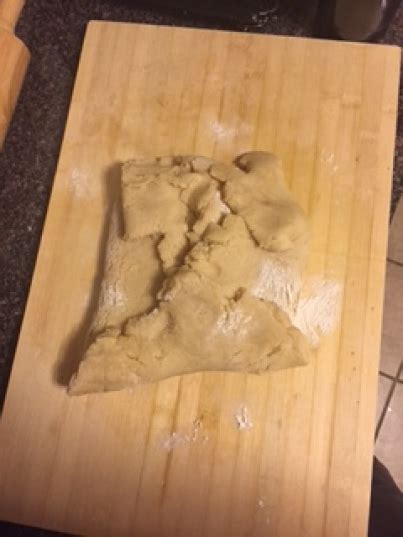
- Kneading dough: Helping with bread or pizza dough.
- Peeling: Using a vegetable peeler (with supervision) for carrots or potatoes.
Late Elementary and Pre-Teens (Ages 9-12)
At this stage, kids can start to follow simple recipes and use basic kitchen tools more independently.
- Chopping: Using a child-safe knife for softer vegetables like cucumbers, bell peppers, or cooked chicken.
- Reading recipes: Following instructions step-by-step.
- Operating simple appliances: Using a toaster, microwave, or blender (with instruction).
- Making salads: Combining ingredients, making simple vinaigrettes.
- Baking: Preparing cookies, muffins, or simple cakes with minimal supervision.
- Cooking simple items: Scrambling eggs, making grilled cheese, boiling pasta (with close supervision).

Teenagers (Ages 13+)
Teenagers can take on significant responsibility, including meal planning and preparing entire dishes.
- Meal planning: Helping to plan weekly menus and grocery lists.
- Grocery shopping: Independently or with a parent.
- Cooking full meals: Preparing main courses, sides, and desserts using the stove and oven safely.
- Experimenting with recipes: Modifying existing recipes or trying new ones.
- Food safety: Understanding cross-contamination, proper cooking temperatures.
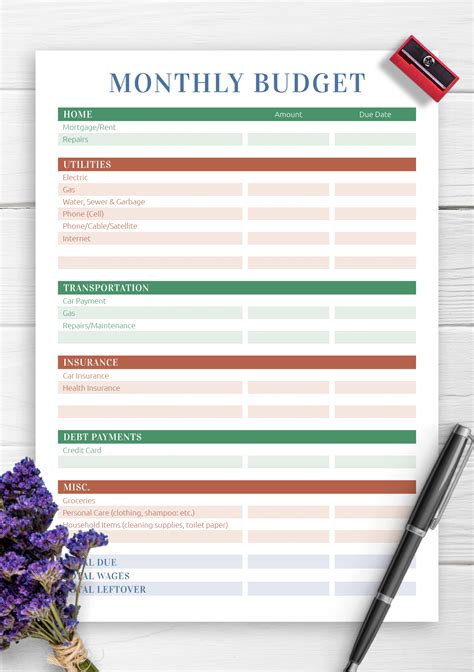
- Budgeting: Considering the cost of ingredients.

Tips for a Smooth Family Kitchen Experience
- Patience is paramount: Things will take longer and might get messier. Embrace it as part of the learning process.
- Prioritize safety: Teach knife safety, stove safety, and proper handwashing from the beginning.
- Make it fun: Play music, tell stories, or turn cooking into a game.
- Start small: Begin with one new task at a time, gradually building their repertoire.
- Celebrate successes: Acknowledge their effort and praise their contributions, no matter how small.
- Don’t strive for perfection: Focus on participation and learning over flawless execution.
- Involve them in cleanup: Chores extend beyond cooking to tidying up the workspace.

Conclusion
Transforming meal preparation into a family chore isn’t just about sharing labor; it’s an investment in your children’s development and your family’s well-being. By thoughtfully assigning age-appropriate tasks and fostering a supportive, fun environment, you can empower your children with essential life skills, encourage healthier eating habits, and cultivate a deeper sense of connection around the dinner table. It’s a recipe for both delicious meals and cherished family memories.