



How do BTS glimpses of garden pests & kitchen mishaps build homestead credibility?

The Allure of Imperfection in the Homesteading Narrative
In an age saturated with perfectly curated social media feeds, the raw, unpolished truth often stands out as a beacon of authenticity. For homesteaders sharing their journey online, the temptation to present an idyllic, blemish-free picture of self-sufficiency can be strong. Yet, paradoxically, it’s the ‘Behind the Scenes’ (BTS) glimpses of struggles – the garden ravaged by pests, the sourdough starter gone awry, the failed canning attempt – that truly forge a deep, lasting connection with an audience and build undeniable credibility.
Homesteading, by its very nature, is a process of learning, adapting, and often, failing. It’s about working with nature, not against it, and nature is rarely predictable or neat. When content creators bravely pull back the curtain on these less-than-perfect moments, they’re not just showing their audience ‘how to do it’; they’re showing them ‘how it really is.’

Embracing the Unseen Battles: Garden Pests and Plant Pathology
Every homesteader knows the heartache of walking into their garden only to find vibrant leaves chewed to lace or ripening fruit decimated by an unseen enemy. Sharing these moments isn’t a sign of defeat; it’s a testament to resilience and real-world experience. A homesteader who posts a video of their cabbage patch infested with caterpillars, discussing their chosen organic remedies, or even admitting defeat and starting over, demonstrates a profound understanding of the challenges involved. This transparency reveals not just the successes, but the critical problem-solving skills and persistent effort required to maintain a productive garden.
It’s a far more valuable lesson than simply showcasing bountiful harvests. It teaches viewers about identification, prevention, and response, fostering a realistic expectation of gardening and positioning the homesteader as an experienced guide, not just a showman of results.
Kitchen Catastrophes and Culinary Lessons Learned
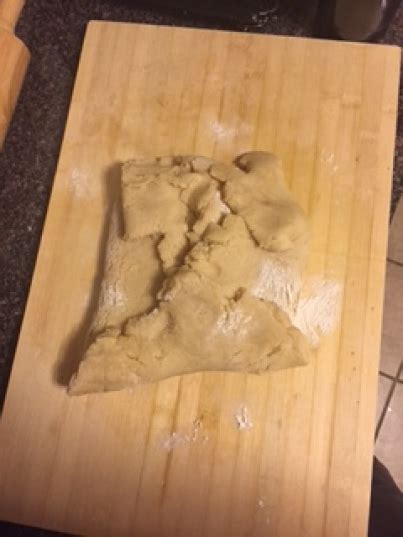
The homestead kitchen is a place of innovation, preservation, and often, experimentation. While we all love to see golden loaves of bread, perfectly canned jars, and elaborate farm-to-table meals, the journey to these triumphs is often paved with culinary mishaps. The collapsed souffle, the overly fermented kombucha, the burnt batch of preserves – these are the moments that humanize the homesteader.

When a creator shares a ‘BTS’ shot of a less-than-perfect dish, explaining what went wrong and what they learned, they become instantly relatable. Their audience understands that homesteading isn’t about flawless execution every time, but about grit, continuous learning, and adapting. This builds trust because viewers see an honest individual who isn’t afraid to be vulnerable, making their successes all the more inspiring and their advice more trustworthy.
The Power of Vulnerability in Building Trust
Credibility, at its core, is about trust. People trust those who are genuine, knowledgeable, and relatable. By intentionally sharing the struggles and imperfections inherent in homesteading, creators tap into a powerful psychological principle: vulnerability fosters connection. When an audience sees a homesteader grappling with challenges similar to their own, they feel seen, understood, and part of a larger community.

This isn’t about wallowing in negativity; it’s about presenting a holistic view. It shows that mistakes are not endpoints but essential parts of the learning curve. It demonstrates resilience, problem-solving, and a deep, authentic passion for the lifestyle, even when it gets tough. This builds a foundation of trust that perfect highlight reels simply cannot achieve.
From Flops to Foundation: A Credibility Blueprint
Ultimately, BTS glimpses of garden pests and kitchen mishaps don’t detract from a homesteader’s authority; they solidify it. They transform an idealized online persona into a real, three-dimensional person. They demonstrate practical knowledge gained through trial and error, a quality far more valuable than theoretical perfection.
By showcasing the full spectrum of their homesteading experience – the good, the bad, and the buggy – creators establish themselves not just as successful practitioners, but as empathetic mentors and trusted guides. This authenticity is the cornerstone of lasting credibility, turning momentary frustrations into powerful lessons that resonate deeply with an audience eager to learn the real art of homesteading.