


How to get picky kids to eat homegrown garden veggies?

Turning Garden Harvests into Kid-Friendly Feasts
There’s immense joy in harvesting fresh, vibrant vegetables from your backyard garden. However, that joy can quickly turn into a mealtime battle when faced with a picky eater. Getting children to embrace new foods, especially the green kind, is a common challenge for parents. But with a little creativity, patience, and strategic planning, you can transform your homegrown bounty into dishes your kids will actually look forward to eating.
Involve Them from Seed to Plate
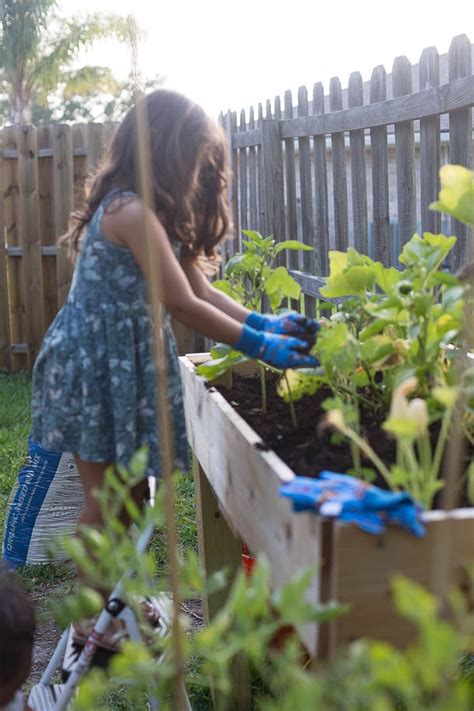
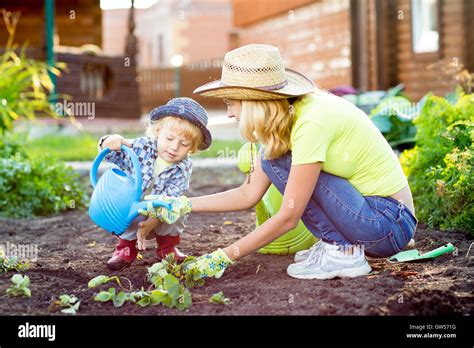
One of the most powerful tools in your arsenal is involvement. Children are more likely to try and enjoy foods they’ve had a hand in creating. Start by letting them choose some of the vegetables to plant. Give them options like cherry tomatoes, snap peas, or colorful bell peppers – foods that are often naturally appealing due to their sweetness or crunch. Assign them simple gardening tasks, such as watering, weeding, or harvesting. The pride they feel in their contribution can significantly increase their willingness to taste the ‘fruits’ (or vegetables!) of their labor.
Talking about the journey of the plant, from a tiny seed to a delicious snack, can also pique their interest. Explain how sunlight and water help the plants grow, connecting their efforts directly to the food on their plate.

Make it Fun and Engaging
Food doesn’t always have to be serious. Injecting an element of fun can break down barriers and make tasting new veggies an adventure. Try giving your homegrown produce silly names – ‘super strength spinach’ or ‘tiny towering tomatoes.’ Arrange vegetables into fun shapes on their plate or create a colorful ‘rainbow’ salad. Offering a small dipping sauce (like hummus or a light ranch dressing) can also make veggies more appealing to kids who enjoy interactive eating.
Consider setting up a ‘taste test’ station where they can sample different raw veggies from the garden, perhaps with a blindfold, to guess what they are. This playful approach can demystify unfamiliar textures and flavors without the pressure of a full meal.

Cook Together and Get Creative with Recipes
The kitchen is another fantastic place for involvement. Let your kids help wash vegetables, stir ingredients, or even pick out simple recipes that feature your garden’s yield. Starting with recipes that naturally appeal to children, like homemade pizza topped with garden tomatoes and peppers, or pasta sauce bursting with fresh zucchini, can be a great entry point.
Don’t be afraid to ‘hide’ vegetables in dishes they already love. Grated carrots or zucchini can disappear into muffins, pasta sauces, or even meatballs. Smoothies are also an excellent way to pack in spinach or kale, especially when blended with their favorite fruits.

Practice Patience and Persistence
It often takes multiple exposures for a child to accept a new food. Don’t be discouraged if they reject a vegetable the first few times. Continue to offer small portions of the challenging vegetable alongside foods they already enjoy. Lead by example; let them see you enthusiastically eating and enjoying the homegrown produce. Talk about the delicious flavors and the health benefits.
Focus on small victories. If they take one bite, celebrate it! Avoid making mealtime a battleground, as this can create negative associations with food. Keep the atmosphere positive and pressure-free. The goal is to cultivate a healthy relationship with food, starting with the wonderful bounty from your own garden.