

Practical tips for including kids in homemade garden-to-table meals?
Bringing your garden’s bounty directly to your family’s dinner table is a rewarding experience, and it becomes even more special when your children are involved. Not only does it teach them valuable lessons about food, nature, and self-sufficiency, but it also creates unforgettable family bonding moments. Getting kids engaged can transform mealtimes from a chore into an exciting adventure. Here are some practical tips to make the journey from soil to supper a joyful family affair.
Start Small and Simple in the Garden
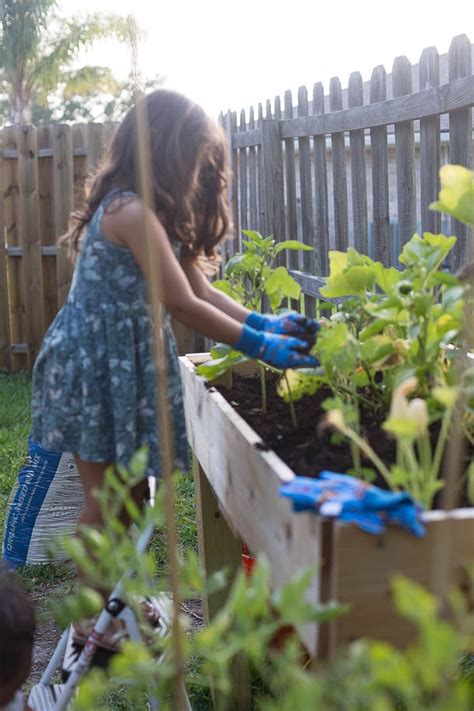
Involving children begins long before the food hits the plate. Encourage them to participate in the gardening process. Start with easy-to-grow plants that yield quick results, like radishes, cherry tomatoes, snap peas, or sunflowers. Assign them simple tasks appropriate for their age, such as watering plants with a small watering can, digging holes for seeds, or even just helping to identify weeds.
Make harvesting a game, like a treasure hunt for ripe vegetables or berries. Letting them pick the produce themselves gives them a sense of accomplishment and ownership over the ingredients that will later become their meal. This direct connection to where food comes from is invaluable.
From Garden to Kitchen: Washing and Prepping Fun
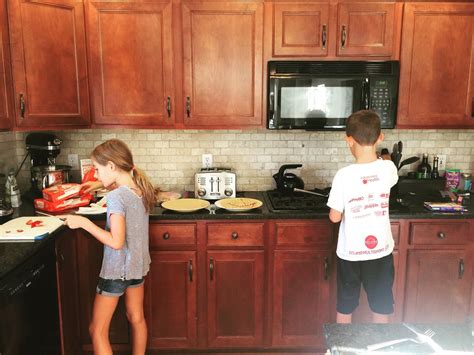
Once the harvest is in, the kitchen becomes the next playground. Even young children can help with basic food preparation. Set up a washing station where they can rinse fresh vegetables and fruits. Provide a colander and a bowl of water, and let them scrub away the dirt. This tactile activity is often enjoyable and therapeutic for kids.
For slightly older children, introduce simple tasks like tearing lettuce for a salad, shelling peas, snapping green beans, or using a kid-safe knife to chop soft ingredients like cucumbers or bananas. Focus on the process, not perfection. Praise their efforts and emphasize how they are contributing to the family meal.

Creative Culinary Adventures and Mealtime Engagement
Once ingredients are prepped, invite them to help with the cooking. Depending on their age and skill level, they can stir ingredients, measure dry goods, mix batters, or even help plate the food. Let them experiment with arranging vegetables on a pizza or decorating a salad. The more involved they are in creating the meal, the more likely they are to be excited to eat it.
At the dinner table, encourage conversation about the food. Ask them what their favorite part of growing or preparing the meal was. Talk about the different flavors and textures. This interaction can make trying new foods less intimidating and more engaging.

Beyond the Plate: Learning and Bonding
Including kids in garden-to-table meals offers a wealth of educational opportunities. They learn about plant life cycles, the importance of healthy soil, and the nutritional value of fresh produce. It also teaches them patience, responsibility, and teamwork. More importantly, these shared experiences build strong family bonds and create cherished memories.
Seeing the direct result of their labor, from a tiny seed to a delicious meal, instills a sense of pride and accomplishment. It empowers them to make healthier food choices and fosters a lifelong appreciation for fresh, homemade food.

Embracing the garden-to-table philosophy with your children doesn’t have to be complicated. By breaking down the process into small, manageable, and fun tasks, you can cultivate not just a thriving garden, but also a love for healthy eating and invaluable family connections that will last a lifetime.