




What’s the best method to preserve peak-season garden vegetables simply?

Unlocking Your Garden’s Peak Flavor Year-Round
There’s nothing quite like the taste of a fresh-from-the-garden vegetable, bursting with flavor and nutrients. But when your garden hits its stride, you often find yourself with an abundance that’s impossible to consume immediately. The challenge then becomes: how do you preserve that peak-season goodness simply, without complicated canning procedures or expensive equipment?
The good news is that extending your harvest is easier than you might think. While many methods exist, one stands head and shoulders above the rest for its simplicity, effectiveness, and ability to retain the vibrant taste and nutritional value of your produce.
The Undisputed Champion: Freezing Your Harvest
When it comes to simple preservation, freezing is often the gold standard for most garden vegetables. It requires minimal specialized equipment (a freezer and some bags/containers) and, when done correctly, halts enzymatic actions that cause spoilage, locking in freshness, flavor, and vital nutrients for months.
Why Freezing Works So Well
- Nutrient Retention: Freezing preserves more vitamins and minerals than many other methods.
- Ease of Use: The process is straightforward and doesn’t involve complex sterile environments or pressure cookers.
- Versatility: Frozen vegetables are incredibly versatile for cooking, from stir-fries and soups to casseroles and side dishes.
Step-by-Step Guide to Simply Freezing Vegetables
While some vegetables can be frozen raw (like peppers or onions), most benefit immensely from a quick blanching process. Blanching is key to preserving color, flavor, and texture by deactivating enzymes that would otherwise continue to degrade the vegetable even in the freezer.
1. Harvest and Prepare Your Vegetables
Choose only the freshest, blemish-free vegetables. Wash them thoroughly under cold running water. Trim, peel, and chop them into the sizes you’d typically use in cooking. For example, snap green beans, cut corn off the cob, or chop broccoli florets.
2. Blanch (Most Vegetables)
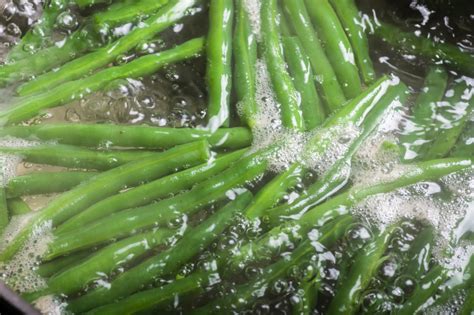
Bring a large pot of water to a rolling boil. Prepare an ice bath in a large bowl. Place a small amount of prepared vegetables into the boiling water. The blanching time varies by vegetable (e.g., 2-3 minutes for green beans, 1-2 minutes for corn kernels, 3-4 minutes for broccoli). The goal is to heat them through, not cook them entirely.
3. Shock in an Ice Bath
Immediately after blanching, transfer the vegetables with a slotted spoon or colander into the prepared ice bath. This stops the cooking process instantly and helps retain their vibrant color and crisp texture. Let them cool completely, usually for the same amount of time they were blanched.

4. Dry Thoroughly
Drain the vegetables well and spread them in a single layer on clean kitchen towels or paper towels. Pat them dry. Excess moisture can lead to ice crystals and freezer burn.
5. Flash Freeze (Optional but Recommended)
For best results and to prevent vegetables from clumping together, spread the dried vegetables in a single layer on a baking sheet. Place the baking sheet in the freezer for 1-2 hours, or until the vegetables are solid. This “flash freezing” allows you to easily grab individual portions later.
6. Package and Store
Transfer the flash-frozen vegetables into freezer-safe bags or airtight containers. Squeeze out as much air as possible from bags to prevent freezer burn. Label each package with the vegetable name and the date of freezing. Most frozen vegetables will maintain optimal quality for 8-12 months.

Beyond Freezing: Other Simple Options
While freezing is paramount, a couple of other straightforward methods can complement your preservation efforts:
- Dehydrating: Excellent for herbs, sun-dried tomatoes, or making vegetable powders. A simple food dehydrator or even a low oven can work.
- Simple Oil Infusions: For woody herbs like rosemary or thyme, a quick wash and dry, then submerging them in olive oil can preserve their flavor for short-term use in the fridge (be mindful of botulism risks if not handled correctly or stored long-term without proper acidification).
- Quick Pickling: Vinegar-based quick pickles (refrigerator pickles) are incredibly easy for cucumbers, green beans, or peppers and don’t require traditional canning.
Enjoy Your Garden’s Bounty All Year
Preserving your peak-season garden vegetables doesn’t have to be a daunting task. With freezing as your primary method, you can easily capture the fresh flavors and nutrients of summer and autumn produce, allowing you to enjoy healthy, delicious meals long after the growing season has ended. Embrace the simplicity, and savor your harvest year-round!