



What are best ways to preserve summer garden bounty naturally?

As summer reaches its peak, gardens across the country burst with an abundance of fresh, vibrant produce. While the joy of harvesting is unparalleled, the challenge often lies in preserving this bounty before it spoils. Fortunately, there are many time-honored, natural methods to extend the life of your homegrown vegetables and fruits, allowing you to savor the taste of summer long after the season fades. Embracing these techniques not only reduces waste but also provides healthy, chemical-free food for your family.
Freezing Your Harvest for Freshness
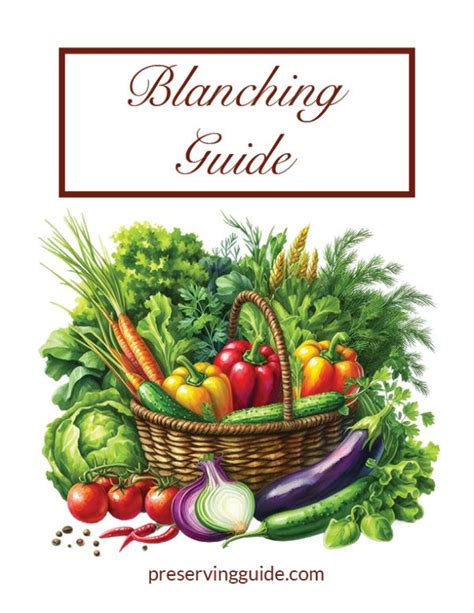
Freezing is arguably one of the simplest and most accessible ways to preserve a wide variety of garden produce. Most vegetables benefit from a quick blanching (briefly boiling, then chilling in ice water) before freezing to stop enzyme action, which preserves color, flavor, and nutrients. Berries, sliced peaches, and many herbs can be frozen raw on baking sheets before being transferred to freezer-safe bags or containers.
This method works wonderfully for everything from corn on the cob and green beans to peas, broccoli, and spinach. Properly frozen produce can last up to a year, offering a convenient way to add fresh garden flavors to your meals during the colder months.
The Art of Drying and Dehydrating
Drying is an ancient preservation technique that removes moisture, inhibiting spoilage. This method concentrates flavors and results in lightweight, shelf-stable food. A food dehydrator offers consistent results, but sun-drying can also be effective in hot, dry climates, particularly for fruits like apples, peaches, and tomatoes, as well as herbs.
Dried herbs retain their potency and aroma beautifully, while sun-dried tomatoes add intense flavor to dishes. Fruit leathers, made from pureed fruit, are another popular and healthy snack. Ensure produce is thinly sliced and dried thoroughly to prevent mold, then store in airtight containers away from light and heat.
Traditional Canning Methods for Shelf Stability
Canning involves sealing food in jars and heating them to a temperature that destroys microorganisms and creates a vacuum seal. There are two primary natural canning methods: water bath canning and pressure canning.
Water Bath Canning: Ideal for high-acid foods like fruits, jams, jellies, pickles, and tomatoes (with added acid). Jars are submerged in boiling water for a specified time. This method is relatively simple and great for beginners.

Pressure Canning: Essential for low-acid foods such as most vegetables (e.g., green beans, corn, carrots), meats, and mixed recipes. A pressure canner heats the contents to a much higher temperature than boiling water, ensuring the destruction of harmful bacteria like Clostridium botulinum. While more involved, it’s the safest way to preserve non-acidic garden bounty. Always follow tested recipes and safety guidelines from reputable sources like the USDA.
Fermentation: A Living Preservation Method
Fermentation is a natural process where beneficial bacteria transform sugars in food into lactic acid, creating unique flavors and preserving the produce. It’s a fantastic way to make probiotics-rich foods like sauerkraut, kimchi, and lacto-fermented pickles. This method requires simple ingredients – usually just vegetables, salt, and water – and offers a healthy alternative to vinegar-based pickling.
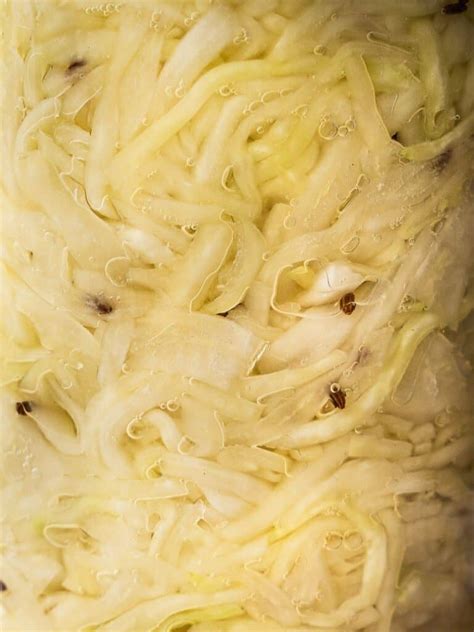
Fermented foods not only last for months in a cool place but also boost gut health. The process typically involves submerging vegetables in a brine, allowing them to sit at room temperature for several days or weeks, then transferring them to cooler storage.
Cool Storage and Root Cellaring
For certain root vegetables, squash, and some fruits, a cool, dark, and humid environment can extend their shelf life naturally without any processing. A traditional root cellar, a cool basement, or even an unheated garage can serve this purpose. Vegetables like potatoes, carrots, beets, and onions, along with winter squash and apples, store well this way.

Ensure produce is clean and free of blemishes before storing. Root vegetables can be layered in sand or sawdust to maintain humidity, while squash and apples prefer slightly drier conditions. Proper ventilation is key to preventing spoilage.
Conclusion: Savoring Summer All Year Round
Preserving your summer garden bounty naturally is a rewarding endeavor that connects you more deeply with your food source and the rhythms of nature. Whether you choose freezing, drying, canning, fermenting, or cool storage, each method offers a unique way to enjoy the fruits (and vegetables!) of your labor through every season. Experiment with different techniques to find what works best for your harvest and your lifestyle, and relish the satisfaction of a pantry stocked with wholesome, homegrown goodness.