




What are simple, low-cost ways to store garden produce without canning?

Embracing Your Harvest Beyond the Canning Jar
As a gardener, few things are as satisfying as a bountiful harvest. But once the crops are in, the next challenge is storing them effectively without breaking the bank or dedicating hours to traditional canning methods. Fortunately, many simple, low-cost techniques allow you to preserve your garden’s goodness, extend its shelf life, and enjoy fresh flavors year-round.
These alternative preservation methods often require minimal equipment, less energy, and can even be more flexible for smaller batches. Let’s explore some of the best ways to keep your garden produce fresh and flavorful without ever touching a canning jar.
Freezing: The Ultimate Convenience
Freezing is arguably one of the easiest and most versatile ways to preserve a wide variety of garden produce. Most vegetables benefit from a quick blanching (briefly boiling then plunging into ice water) before freezing to maintain color, texture, and nutritional value. Fruits, however, often freeze well raw, either whole or sliced.
For vegetables like green beans, corn, peas, and broccoli, blanch for a few minutes, cool completely, then spread on a baking sheet to freeze individually before transferring to freezer bags or containers. This prevents clumping. Berries, sliced peaches, and herbs can be frozen similarly. While initial freezer cost might seem high, reusable freezer bags and containers keep ongoing costs low, making it a highly economical choice for long-term storage.

Drying and Dehydrating: Concentrated Flavor
Drying is an ancient method that removes moisture, inhibiting spoilage. While electric dehydrators offer consistency, low-cost alternatives like sun-drying (in hot, dry climates), oven-drying on low heat, or even air-drying in well-ventilated spaces are viable for many items.
Herbs are perfect for air-drying; simply tie small bundles and hang them upside down in a dark, dry room. Tomatoes, peppers, and fruit slices can be sun-dried or oven-dried. Once completely dry and brittle, store them in airtight containers away from light and moisture. The concentrated flavors of dried produce are fantastic for cooking, snacking, and adding depth to dishes.
Root Cellaring and Cool Storage: Nature’s Refrigerator
For certain root vegetables and fruits, a cool, dark, and humid environment is all that’s needed for long-term storage. This concept, known as root cellaring, can be achieved even without a dedicated underground cellar.
- Potatoes, Carrots, Beets, Parsnips: Store in bins or crates with damp sand, sawdust, or peat moss in a cool basement or garage (ideally 35-40°F / 2-4°C with high humidity).
- Onions and Garlic: Prefer cool, dry, and well-ventilated conditions. Hang them in mesh bags or braid them and hang in a pantry.
- Apples: Store in single layers, wrapped in newspaper, in a cool, dark place. Check regularly for spoilage.
- Winter Squash and Pumpkins: Cure for a week or two in a warm, sunny spot, then store in a cool, dry room (50-55°F / 10-13°C).
Look for naturally cool corners in your home, unheated closets, or even well-insulated sheds as potential low-cost storage spots.

Fermentation: Live Food, Unique Flavors
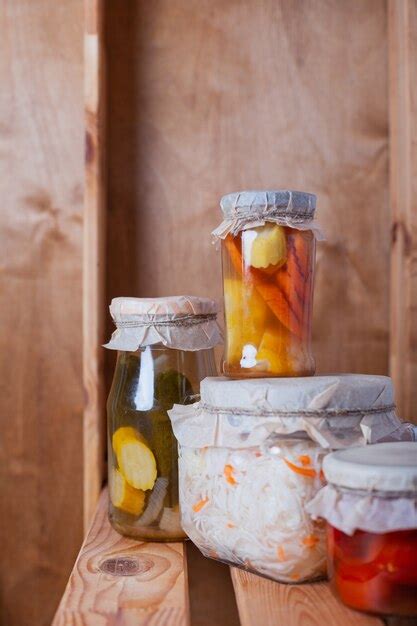
Fermentation is an incredibly low-cost preservation method that actually enhances the nutritional value and introduces beneficial probiotics. Using just salt, water, and sometimes a starter culture, you can transform vegetables into delicious, long-lasting foods.
Sauerkraut (fermented cabbage), kimchi (fermented vegetables, often cabbage and radishes), and lacto-fermented pickles (cucumbers, green beans, carrots) are classic examples. All you need are clean jars, a weight to keep vegetables submerged, and a cool spot for the fermentation process. Once fermented to your liking, store them in the refrigerator to slow down the process and enjoy for months.
Oil Infusions and Vinegars: Flavorful Additions
While not for long-term general preservation of bulk produce, infusing oils and vinegars is an excellent way to capture the essence of herbs, garlic, and chilies. Simply submerge clean, dry herbs or garlic in olive oil or white vinegar. Store infused oils in the refrigerator and use within a few weeks due to botulism risk with fresh ingredients. Infused vinegars are generally safer and can last longer in a cool, dark pantry. These make fantastic dressings, marinades, and gifts.
Short-Term Fresh Storage: Maximizing Refrigerator & Countertop Life
Sometimes, simply storing your produce correctly for a few weeks is enough. Understanding the ideal conditions for different items can significantly extend their fresh life:
- Leafy Greens: Wash, dry thoroughly, and store in airtight containers lined with a paper towel in the refrigerator.
- Tomatoes: Store at room temperature on the counter, away from direct sunlight, for best flavor and texture. Only refrigerate ripe tomatoes if absolutely necessary to extend life.
- Cucumbers, Peppers, Eggplant: Store in the refrigerator crisper drawer.
- Berries: Wash just before eating. Store unwashed in a single layer in the refrigerator.
Conclusion: Preserve Your Harvest, Your Way
Storing your garden produce doesn’t have to be complicated or expensive. By exploring methods like freezing, drying, cool storage, and fermentation, you can easily preserve the fruits (and vegetables!) of your labor. Each technique offers unique benefits and allows you to enjoy your homegrown bounty long after the growing season ends, all while saving money and energy. Experiment with different methods to find what works best for your garden and your lifestyle.