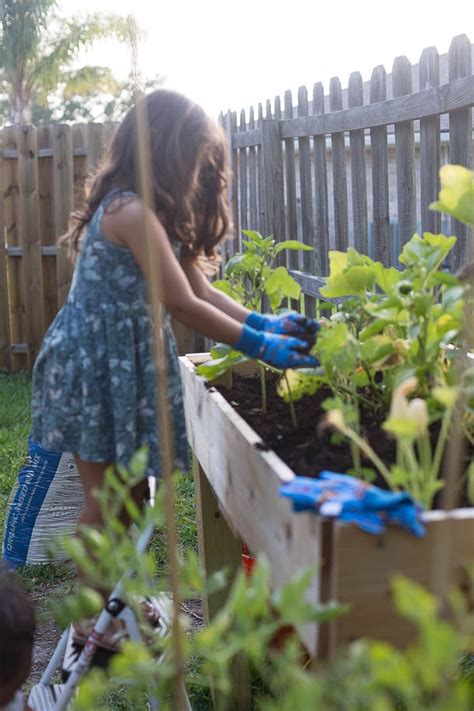





How to involve kids in garden-to-table food prep?
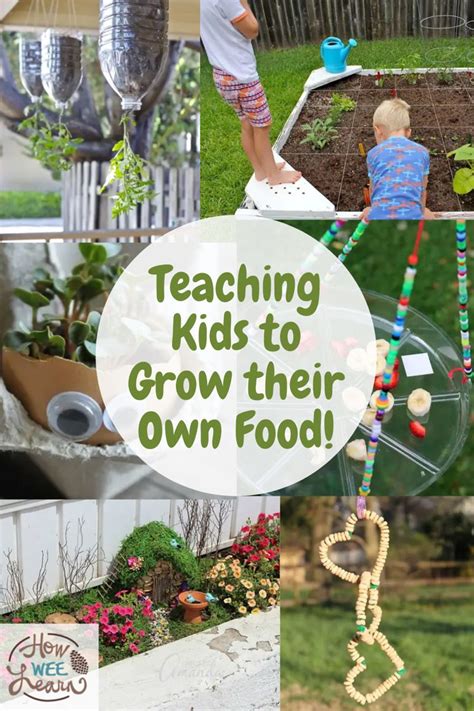
Cultivating Curiosity: Why Involve Kids in Garden-to-Table?
There’s something magical about watching a child’s face light up as they pull a carrot from the soil or proudly present a dish they helped create. Involving kids in the garden-to-table process is more than just a fun activity; it’s a powerful way to teach them about where their food comes from, foster healthy eating habits, and create lasting family memories. From planting seeds to setting the dinner table, every step offers a unique learning opportunity.

From Soil to Spoon: Age-Appropriate Tasks
The key to successful involvement is assigning tasks that match your child’s age and skill level. This builds confidence and keeps them engaged without overwhelming them.
In the Garden: Little Hands, Big Help
- Toddlers (1-3 years): Simple tasks like watering plants with a small can, “helping” to dig holes (with supervision), picking ripe berries or cherry tomatoes, and washing sturdy vegetables like potatoes or carrots under cold water. Focus on sensory experiences – touching soil, smelling herbs.
- Preschoolers (3-5 years): Can graduate to planting larger seeds, gently harvesting leafy greens, peas, or beans, and helping to weed (show them exactly what to pull!). They can also help wash produce and tear lettuce for salads.
- School-Aged Kids (6+ years): These children can take on more responsibility, including planning garden layouts, sowing various seeds, pruning plants, and more intricate harvesting tasks. In the kitchen, they can start using child-safe knives for chopping softer vegetables and fruits.

Harvesting Happiness: Bringing Produce Inside
The harvest is often the most exciting part for kids! Teach them how to gently pick ripe produce to avoid damaging plants. Once inside, involve them in the cleaning process:
- Washing: Set up a small station at the sink or with a basin of water. Let them scrub root vegetables with a brush or swish greens in water.
- Sorting: Ask them to sort vegetables by color, size, or type. This is a great way to reinforce learning.
Kitchen Adventures: Preparing the Feast
Transitioning from garden to kitchen opens up a new world of culinary exploration. Always prioritize safety, especially with younger children.
Simple Kitchen Tasks for Kids:
- Washing & Rinsing: From berries to broccoli, kids can help wash almost anything.
- Tearing & Picking: Tearing lettuce, picking herb leaves, shelling peas or beans.
- Stirring & Mixing: Great for batters, salads, or sauces.
- Measuring: Helps with basic math skills.
- Mashing: Cooked potatoes, avocados, or berries are perfect for mashing.
- Cutting (with supervision): For older kids, child-safe knives can be used for soft items like bananas, cucumbers, or cooked vegetables.
- Plating & Serving: Letting them arrange food on plates or carry light dishes to the table gives them a sense of accomplishment.

Making it Fun and Educational
Turn garden-to-table activities into enjoyable learning experiences:
- Taste Tests: Encourage them to try new things directly from the garden. “What does this fresh basil taste like?”
- Storytelling: Create stories about the journey of a seed to a meal.
- Sensory Exploration: Talk about colors, textures, smells, and sounds (crunching carrots!).
- Give Choices: “Would you like to chop the cucumber or tear the lettuce?” This empowers them.
- Focus on the Process: It’s okay if things get a little messy or if the vegetables aren’t perfectly chopped. The goal is participation and enjoyment, not culinary perfection.

The Lasting Benefits
Involving children in garden-to-table food prep cultivates more than just vegetables; it cultivates a deeper appreciation for food, a willingness to try new foods, essential life skills, and invaluable family bonding time. They learn patience, responsibility, and the satisfaction of contributing to a shared meal. These early experiences lay the groundwork for a lifetime of healthy eating habits and a connection to the natural world.

So, roll up those sleeves, get a little dirty, and invite your children on a delicious journey from the garden bed to the dinner table. You might be surprised at how eager they are to participate and how much joy it brings to your family.