


How do we involve kids in gardening for real food without it feeling like a chore?

Cultivating Curiosity, Not Coercion
Gardening offers a magical blend of learning, sensory exploration, and connection to nature for children. However, turning this potential into a joy rather than a chore requires a thoughtful approach. The key is to make gardening an adventure, not a task on their to-do list.
Empowering kids with choices is fundamental. Let them pick what to grow, whether it’s vibrant cherry tomatoes, crunchy carrots, or fragrant herbs. When they have a say in the garden’s bounty, they develop ownership and excitement, transforming a potential chore into a passion project.
Small Hands, Big Impact: Practical Tips
Start Small and Simple
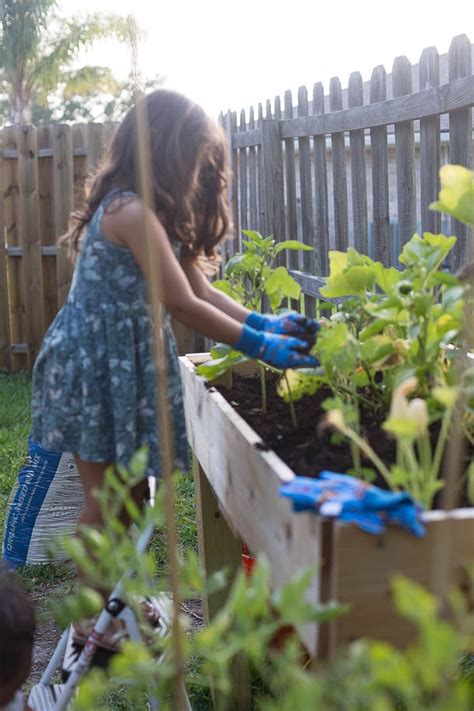
Focus on easy-to-grow, fast-maturing plants. Radishes, lettuce, snap peas, and sunflowers offer quick gratification, keeping young gardeners engaged and motivated. Designate a “kid’s plot” or a special container where they have full autonomy. Provide them with their own child-sized tools – a trowel, watering can, and gloves can make them feel like genuine contributors, fostering a sense of importance and responsibility.

Engage All Senses
Gardening is a multi-sensory experience. Encourage them to touch the soil, smell the herbs, taste the fresh produce, and observe the insects and birds. Plant colorful flowers alongside vegetables to attract pollinators and add visual appeal. Herbs like mint or lemon balm are wonderful for sniffing and tasting, turning each visit to the garden into a delightful exploration.
From Seed to Supper: Connecting the Dots
Gardening provides an incredible opportunity to teach children about where their food comes from, fostering an appreciation that goes beyond the supermarket shelf. Involve them in every stage: planting seeds, watering, weeding, watching the plants grow, and finally, harvesting. Talk about the life cycle of plants and the importance of healthy soil.

Make it a Family Affair
Gardening doesn’t have to be solitary. Work together, share stories, and celebrate successes. Even simple tasks like watering or checking for ripe vegetables can be a shared joy, strengthening family bonds while nurturing their connection to nature and real food.
The Sweet Taste of Success (and Failure)
The ultimate reward is enjoying the fruits (and vegetables!) of their labor. Encourage them to wash, prepare, and eat what they’ve grown. A salad made with “their” lettuce tastes infinitely better when they’ve been part of its journey from seed to plate! This hands-on experience solidifies the connection between effort and reward.
Don’t shy away from failures. Pests, bad weather, or seeds that don’t sprout are all part of the gardening journey. Use these moments as learning opportunities, fostering resilience and problem-solving skills. Understanding that not everything goes perfectly is a valuable life lesson.

Beyond the Harvest: Sustaining the Enthusiasm
Keep the momentum going by planning new projects, perhaps a themed garden (a “pizza garden” with tomatoes, basil, and oregano) or a container garden on a balcony. Read books about gardening, visit local farms or botanical gardens, and encourage them to draw or journal about their garden experiences, reinforcing the learning and wonder.

Involving children in gardening for real food is an investment in their health, education, and connection to the natural world. By making it fun, interactive, and child-led, we can cultivate not just plants, but a lifelong love for fresh food and the earth that provides it. It’s about growing happy, healthy children who understand and appreciate where their food truly comes from.