




How to adapt real food recipes to make the most of seasonal garden bounty?

There’s nothing quite like the satisfaction of harvesting fresh produce from your own garden. The challenge, however, often lies in utilizing that abundant bounty before it spoils. Adapting your go-to real food recipes to feature seasonal ingredients is not only a fantastic way to enjoy peak flavors and nutrients but also a step towards more sustainable and economical eating. It’s about shifting your culinary perspective from rigid recipe following to flexible, ingredient-led creation.
Understanding Your Seasonal Palette
The first step in adapting recipes is to truly understand what’s available and when. Knowing the growth cycles of your garden vegetables and fruits empowers you to plan meals more effectively. A tomato in July tastes worlds apart from one bought in December, and its peak flavor should be celebrated.
Embracing seasonal eating means you’re working with ingredients at their freshest, most flavorful, and most nutritious state. It often reduces costs, supports local agriculture (even if that’s just your backyard), and encourages a diverse diet.
Mastering the Art of Substitution
Many real food recipes are quite forgiving and can easily accommodate ingredient swaps. The key is to understand the role an ingredient plays in a dish – is it for texture, flavor, bulk, or moisture? Once you identify its purpose, finding a seasonal substitute becomes much easier.
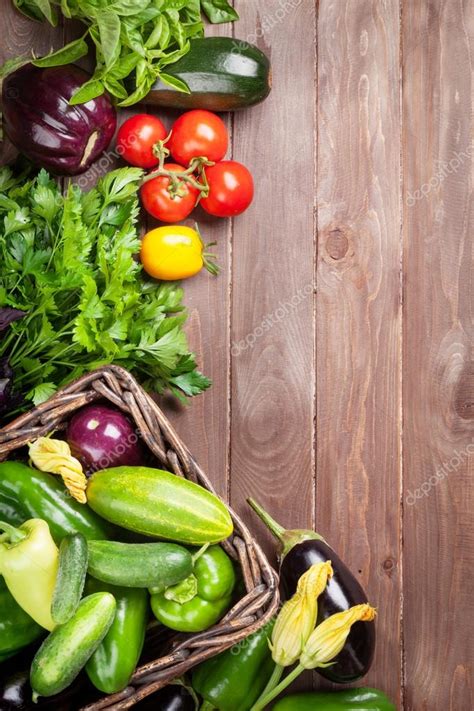
For example, if a recipe calls for spinach, but your garden is overflowing with Swiss chard or kale, these can often be swapped in with minimal adjustments. Root vegetables like carrots, parsnips, and potatoes are generally interchangeable in stews or roasts, though cooking times might vary. Even fruits can be substituted in desserts or savory dishes; berries for stone fruits, or apples for pears, depending on the desired sweetness and acidity.
Key Considerations for Swapping:
- Texture: Will the substitute maintain the desired crunch, softness, or chewiness?
- Moisture Content: Some vegetables release more water when cooked (e.g., zucchini), which might require slight adjustments to liquid in a recipe.
- Cooking Time: Thicker or denser vegetables will need longer to cook.
- Flavor Profile: Does the substitute complement the other ingredients?
Embracing Creative Additions and Enhancements
Beyond simple substitutions, think about how you can *add* your garden bounty to existing recipes. A plain chicken and rice dish can be elevated by stir-frying garden snap peas and bell peppers into it. A simple omelet becomes a gourmet meal with fresh herbs, cherry tomatoes, and zucchini blossoms.
Soups, stews, casseroles, and pasta dishes are incredibly versatile canvases for seasonal produce. Even baked goods can benefit from shredded zucchini in bread, grated carrots in muffins, or pureed pumpkin in pies. Don’t shy away from experimenting with quantities; often, more vegetables mean more flavor and nutrients.

Flavor Harmony: Pairing Your Produce
When adapting recipes, consider the natural flavor affinities of your produce. Tomatoes love basil, corn pairs well with cilantro and lime, and root vegetables often benefit from rosemary or thyme. Think about contrasting flavors too – a squeeze of lemon or a splash of vinegar can brighten a rich, earthy dish, especially one laden with garden greens or squashes.
Fresh herbs from the garden are perhaps the easiest way to infuse seasonal flavor. Use them generously. Spices can also play a crucial role in complementing your harvest; for instance, cumin and coriander with eggplant, or cinnamon and nutmeg with apples and squash.

Batch Cooking and Preservation for Longevity
Sometimes the bounty is so immense that even daily adaptation isn’t enough. This is where batch cooking and preservation techniques become invaluable. Dedicate a day to processing your garden yield into components that can be used later.
- Freezing: Blanch and freeze greens, corn kernels, berries, or diced peppers.
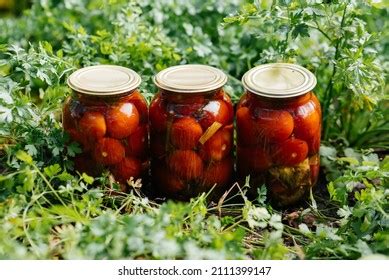
- Canning: Make jams, jellies, pickles, or tomato sauces.
- Dehydrating: Dry herbs, fruit slices, or even tomato halves for a concentrated flavor.
- Pestos & Sauces: Blend excess herbs and greens into pestos, or simmer tomatoes into a versatile marinara.
These preserved ingredients can then be easily incorporated into your real food recipes throughout the year, extending the joy of your garden’s harvest.
Mindset Shift: Flexibility and Experimentation
Ultimately, adapting recipes to your seasonal garden bounty is about embracing flexibility. View recipes as guidelines rather than strict rules. Taste frequently as you cook, and don’t be afraid to adjust seasonings or add an extra handful of whatever’s thriving in your garden. Keep a simple cooking journal to note successful (and not-so-successful) adaptations, helping you refine your techniques over time.
This approach transforms cooking from a chore into a creative act, allowing you to celebrate the unique flavors of each season and truly connect with the food you eat.