




What DIY method best protects raised garden beds from rabbits & deer?
Protecting your cherished raised garden beds from the ravages of rabbits and deer can feel like an unending battle for many gardeners. These common garden pests, while charming in their natural habitat, can quickly decimate your hard work and harvest. The good news is that numerous effective DIY strategies exist to safeguard your plants without resorting to harsh chemicals or expensive professional services. The “best” method often depends on your specific pests, garden size, budget, and willingness to build.
The Undisputed Champion: Physical Barriers
When it comes to reliably keeping both rabbits and deer out, a physical barrier is generally the most effective DIY solution. Fencing is paramount, but the type and height vary significantly based on your target pest.
For Rabbits: Low, Secure Fencing
Rabbits are adept at squeezing through small spaces and burrowing. For these persistent pests, a fence made of chicken wire or hardware cloth is ideal. It should be at least 2 feet tall, but crucially, it needs to be buried 6-12 inches into the ground, or bent outwards in an L-shape at the base and covered with soil, to prevent burrowing underneath. The mesh size should be no larger than 1 inch to stop young rabbits.
For Deer: Tall, Sturdy Fencing
Deer are jumpers, and a serious deer problem requires a more substantial barrier. A fence that is at least 7-8 feet tall is recommended to deter most deer. Options include sturdy woven wire, polypropylene mesh deer fencing, or even multiple strands of fishing line (which disorients them but isn’t a true physical barrier). For raised beds, consider individual cages or hoops covered with netting if the deer pressure is only occasional.
Repellents: A Supporting Role
While physical barriers are king, repellents can play a crucial supporting role, especially for less intense pest pressure or in conjunction with fencing. DIY repellents are typically applied directly to plants or around the garden perimeter.
Homemade Sprays
Many gardeners concoct their own sprays using ingredients deer and rabbits dislike. Common recipes include a mixture of rotten eggs, garlic, hot pepper, dish soap, or even human hair. These need to be reapplied frequently, especially after rain, and their effectiveness can vary. The goal is to make the plants taste or smell unappetizing.
Scent and Visual Deterrents
Strong-smelling items like bars of Irish Spring soap hung near plants, fabric softener sheets, or sachets of human hair can sometimes deter deer by masking the scent of desirable plants. Visual deterrents like reflective tape, old CDs, or motion-activated sprinklers can startle animals, but they often habituate to these over time, reducing their long-term effectiveness.
Strategic Planting and Garden Design
While not a direct barrier, thoughtful planting can make your garden less appealing to pests.
Deer and Rabbit Resistant Plants
Research plants that deer and rabbits tend to avoid. Generally, they dislike plants with strong odors, fuzzy leaves, or toxic properties. Examples include marigolds, lavender, rosemary, mint, and some ornamental grasses. Planting these around the perimeter of your raised beds can act as a natural deterrent, though very hungry animals might still sample them.
Vertical Gardening and Covers
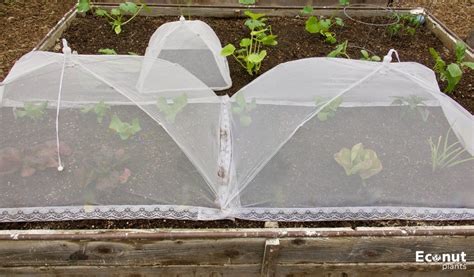
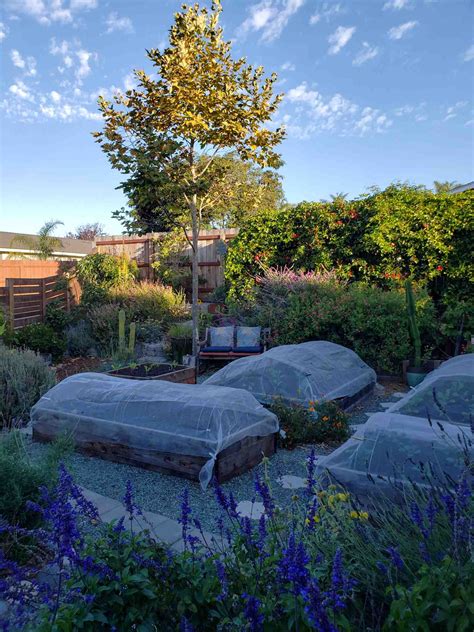
For rabbits, elevating garden beds even higher or using vertical gardening techniques can make access more difficult. For both, temporary row covers made of lightweight fabric or fine netting placed over hoops can protect young seedlings and vulnerable crops. These are particularly useful during peak browsing times or when establishing new plants.
Combining Strategies for Maximum Protection
The most robust protection often comes from a multi-layered approach. A tall, buried fence is an excellent primary defense. Supplement this with motion-activated sprinklers near entry points, rotate DIY repellent sprays, and incorporate deer/rabbit-resistant plants where possible.
For instance, a 7-foot fence around the entire raised bed area (or individual beds) can be combined with a perimeter of strongly scented herbs and a motion-activated sprinkler pointed at a known deer trail. For rabbits, ensure the bottom of any fencing is completely secure and consider temporary cloches for especially vulnerable crops.
Conclusion
While no single DIY method is 100% foolproof against every determined rabbit or deer, a well-planned and executed strategy significantly improves your chances of a bountiful harvest. For most gardeners, a sturdy, appropriately-sized physical fence remains the gold standard for comprehensive protection. Supplementing this with repellents, strategic planting, and vigilance will provide the best defense for your raised garden beds, ensuring your efforts are rewarded with fresh produce, not nibbled stems.