


Tips for involving kids in home preserving garden harvests for family meals?

Cultivating Little Helpers: Why Involve Kids in Preserving Garden Harvests?
There’s a unique satisfaction that comes from growing your own food, and an even greater joy in sharing that bounty with your family. When children participate in the journey from seed to table, they gain invaluable life skills, a deeper connection to nature, and an appreciation for healthy eating. Involving kids in preserving your garden’s harvest isn’t just about getting an extra pair of hands; it’s about creating lasting memories, fostering independence, and teaching the importance of sustainability. Let’s explore practical ways to make home preserving a fun, family-friendly activity.
From Garden Bed to Kitchen Counter: The Harvest Fun
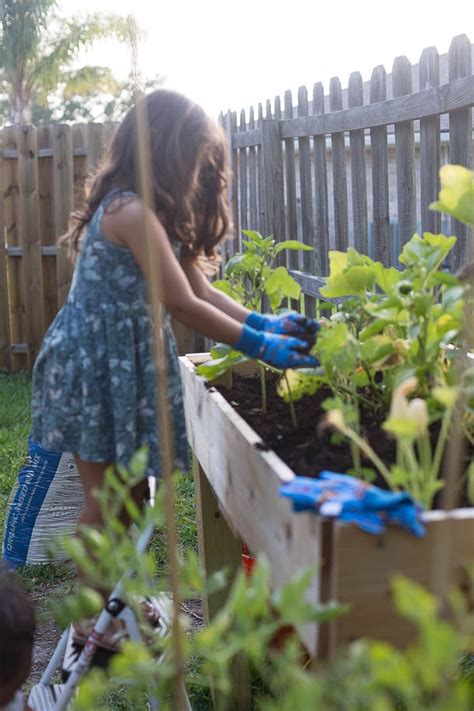
The first step in any preservation project begins in the garden itself. Make harvesting a discovery mission. Give children age-appropriate tasks, like picking berries, pulling up carrots (with supervision), or snapping beans. Talk about what you’re picking, how it grows, and what you plan to make with it. This direct engagement with the source of their food sparks curiosity and excitement, making them more invested in the next steps.
Once the harvest is in, the kitchen transforms into a hub of activity. Before you even begin preserving, involve kids in the cleaning and preparation. Younger children can wash fruits and vegetables in a basin of water, a simple yet engaging sensory activity. Older kids can help sort, trim, and even peel with appropriate tools and guidance.
Age-Appropriate Tasks: Making Preservation Accessible
The beauty of home preserving is that there’s a task for every age and skill level. Assigning responsibilities that match their abilities ensures safety and keeps them engaged without feeling overwhelmed.
- Toddlers & Preschoolers (Ages 2-5): Focus on sensory engagement. Washing produce, tearing greens for salads or pesto, stirring non-hot mixtures, placing fruit into jars, or helping to sticker labels. Emphasize observation and basic actions.
- Elementary Schoolers (Ages 6-10): They can take on more active roles. Hulling strawberries, snapping beans, destemming herbs, stirring ingredients (away from heat), measuring non-sharp items, mashing soft fruits, and carefully pouring pre-measured liquids. They can also help design and apply labels.
- Pre-Teens & Teenagers (Ages 11+): With proper supervision and instruction, older kids can handle chopping vegetables, blanching, safely operating blenders or food processors, helping with canning processes (filling jars, operating canners), and even following recipes independently. This is a great age to teach knife safety and proper kitchen hygiene.
Simple Projects for Little Hands: Beyond Just Jam
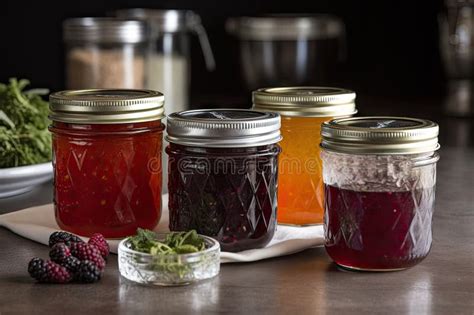
While making jam is a classic, many other preservation methods are kid-friendly and rewarding. Start with simple projects that offer quick gratification.
- Freezing Fruits & Vegetables: A fantastic entry point. Kids can wash, chop (if old enough), spread items on baking sheets to freeze individually, and then transfer to freezer bags. Think berries, sliced peaches, peas, or corn.
- Homemade Pickles: Cucumber pickles are fun, but consider quick pickled carrots or green beans. Kids can help prepare the vegetables and then layer them into jars with a pre-made brine.
- Drying Herbs: A simple and fragrant activity. Children can snip herbs, tie them into bundles, and hang them to dry, or help lay them out on dehydrator trays.
- Fruit Leather: A healthier snack option. Kids can help mash cooked fruit and spread it onto dehydrator sheets or parchment paper for oven drying.
- Salsa or Pesto: While not long-term preserves without canning, these are great for short-term fridge storage and involve lots of chopping and mixing, which kids love.
The Sweet Reward: Enjoying Preserved Goodness
The ultimate goal is to enjoy the fruits (and vegetables!) of your labor. Involve your children in planning meals that incorporate your home-preserved goods. When they see a jar of their homemade jam on the breakfast table or recognize their pickled carrots in a dinner salad, their sense of accomplishment soars. This direct connection between their effort and the delicious outcome reinforces healthy eating habits and encourages them to continue participating in future projects.
Beyond the food, these shared experiences build strong family bonds. The kitchen becomes a classroom and a creative space, filled with laughter, learning, and the comforting aromas of homemade goodness. You’re not just preserving food; you’re preserving memories and teaching essential life skills that will serve your children well into adulthood.

Making it a Family Tradition
To truly integrate preserving into your family’s routine, make it a regular event. Dedicate a specific day or weekend each season for harvesting and preserving. As kids grow, they’ll look forward to these traditions and take on more complex roles. Celebrate your successes, even the small ones, and view any mishaps as learning opportunities. From planting seeds to savoring delicious meals, involving your children in home preserving transforms a chore into a cherished family activity, enriching their lives and your pantry alike.