





How to build a basic, predator-proof chicken coop for backyard layers?

The Foundation of a Happy Flock: Why a Secure Coop Matters
For any backyard chicken keeper, providing a safe and comfortable home for your flock is paramount. A well-built chicken coop protects your hens from the elements and, crucially, from a myriad of predators that view your birds as an easy meal. This guide will walk you through the essential elements of building a basic, predator-proof chicken coop, ensuring your layers can roost and lay in peace.
Predators ranging from raccoons, foxes, and weasels to coyotes and hawks can pose a significant threat. A flimsy coop or one with overlooked vulnerabilities is an open invitation. Our focus here is on creating a fortress that is both functional for your chickens and impenetrable for unwelcome guests, all while keeping the design manageable for the average DIY enthusiast.

Essential Design Principles for a Predator-Proof Coop
Location and Sizing
Before you even cut your first piece of wood, consider the coop’s location. Choose a spot that offers some natural shelter from extreme weather and is easily accessible for you for daily chores. Regarding size, a good rule of thumb is at least 3-4 square feet per standard hen inside the coop, plus 8-10 square feet per hen in an attached run, if applicable. Overcrowding leads to stress, disease, and behavioral issues.
Ventilation and Insulation
Proper ventilation is critical for your chickens’ health, preventing respiratory issues and regulating temperature. Install vents near the roofline, ideally with an adjustable opening, that are covered with hardware cloth to prevent predators from entering. While chickens tolerate cold better than heat, insulation might be considered in extreme climates, but good airflow is always the priority.
Fortifying Your Coop Against Common Predators
This is where the ‘predator-proof’ aspect truly comes into play. Every element, from the walls to the latches, must be chosen and installed with security in mind.
Hardware Cloth vs. Chicken Wire
This is non-negotiable: use hardware cloth, not chicken wire. Chicken wire is designed to keep chickens in, not predators out; a determined raccoon can easily tear through it. Hardware cloth, typically 1/2-inch or 1/4-inch galvanized steel mesh, is robust enough to deter even the most persistent predators. Use it for all windows, ventilation openings, and especially for the run walls.
Dig Protection
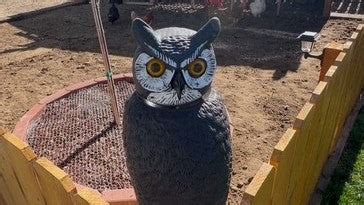
Many predators, like foxes and raccoons, are expert diggers. To prevent them from tunneling under your coop or run:
- Hardware Cloth Apron: Extend hardware cloth horizontally outward from the base of the coop/run for at least 12-18 inches, burying it shallowly or covering it with heavy rocks/pavers.
- Buried Skirt: Bury hardware cloth vertically 12-18 inches deep around the entire perimeter of the coop and run.
Secure Doors and Latches
All doors – coop entrance, run entrance, and human access doors – must have secure, predator-proof latches. Simple hook-and-eye latches are not sufficient. Spring-loaded bolts, barrel bolts, or carabiner-clipped latches are much more effective. For raccoons, latches that require opposable thumbs (like double-locking mechanisms) are ideal.
Solid Roof and Walls
The coop’s walls should be solid wood (plywood, T1-11 siding, or similar) to prevent predators from chewing or clawing their way in. The roof needs to be robust, sloped for water runoff, and securely fastened. Metal roofing or shingles over plywood provide excellent protection against aerial predators and the elements.
Creating a Comfortable and Functional Interior
Beyond security, the interior of your coop needs to meet the basic needs of your flock.
Nesting Boxes
Provide at least one nesting box for every 3-4 hens. These should be dimly lit, private, and filled with clean bedding like straw or pine shavings. Placement should be off the floor, but lower than roosting bars, to discourage sleeping in them.

Roosting Bars
Chickens instinctively want to roost off the ground at night. Provide sturdy roosting bars, preferably made from 2x2s with rounded edges, 18-24 inches off the floor. Allow at least 8-10 inches of roosting space per hen. Roosts should be higher than nesting boxes to prevent chickens from sleeping in the nests.
Easy Cleaning Access
A clean coop is a healthy coop. Design your coop with easy access for cleaning. This could include a large human-sized door, a removable droppings board under the roosts, or a hinged roof section for deep cleaning.

Ongoing Maintenance for Long-Term Security
Even the best-built coop requires regular inspection. Periodically check for:
- Loose hardware cloth, especially around the base and corners.
- Damaged wood from weather or pecking.
- Malfunctioning latches.
- Signs of digging around the perimeter.
Promptly repair any vulnerabilities you find. A quick fix can prevent a devastating loss to your flock.
Your Chickens Deserve the Best Protection
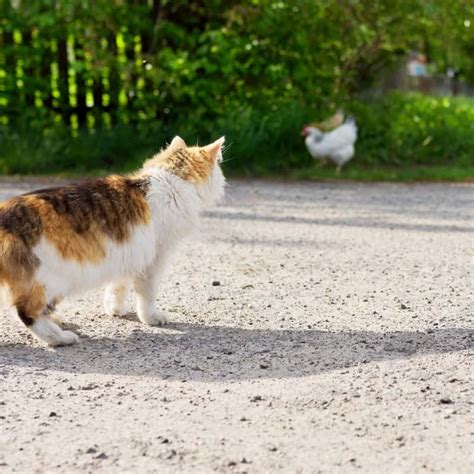
Building a basic, predator-proof chicken coop might seem like a daunting task, but by focusing on robust materials, secure design principles, and diligent maintenance, you can create a haven for your backyard layers. A secure coop means healthier, happier chickens and peace of mind for you, knowing your feathered friends are safe from harm.