



Best DIY root cellar design for storing garden harvests without power?

Rediscover Ancient Preservation: Why a Root Cellar?
In an age of increasing self-sufficiency and a desire for fresh, homegrown food year-round, the humble root cellar is experiencing a well-deserved revival. Far more than just a dusty hole in the ground, a well-designed root cellar provides an optimal, power-free environment for storing a variety of garden harvests, extending their freshness for months. This traditional method taps into the earth’s natural coolness and humidity, making it an ideal solution for off-grid living, reducing food waste, and enjoying your bounty long after the growing season ends.

Key Principles of an Effective Power-Free Root Cellar
Before diving into specific designs, understanding the core principles that make a root cellar work is crucial. Success hinges on creating a stable, controlled environment, without a single watt of electricity:
- Cool Temperatures: Most produce stores best between 35-50°F (2-10°C). This temperature range slows down spoilage enzymes and inhibits microbial growth.
- High Humidity: An ideal root cellar maintains 85-95% humidity. This prevents fruits and vegetables from drying out, shriveling, and losing their crispness.
- Darkness: Light can cause some produce (like potatoes) to sprout or turn green (and toxic). Darkness helps maintain dormancy and quality.
- Adequate Ventilation: Proper airflow is essential to prevent stale air, reduce ethylene gas buildup (which can ripen other produce too quickly), and manage condensation.
Simple & Small-Scale: The Buried Trash Can or Barrel Cellar
For gardeners with smaller harvests or limited space, a buried container offers an accessible entry into root cellaring. This design involves burying a sturdy, food-grade plastic trash can or barrel into the ground, often on a north-facing slope or in a shaded area. The surrounding earth provides natural insulation and temperature regulation.
To build one, dig a hole slightly larger than your container. Drill drainage holes in the bottom and several ventilation holes near the top rim. Place a layer of gravel at the bottom of the hole for drainage. Insert the container, then backfill with soil, leaving the top few inches exposed. You can fashion a well-insulated lid from wood or foam, ensuring a tight seal to keep pests out and maintain humidity, while still allowing for some airflow or occasional opening for ventilation.
More Permanent Solutions: Earth-Sheltered and Underground Designs
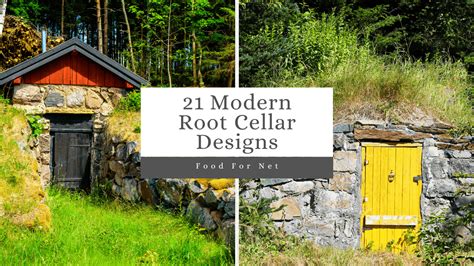
For a more substantial and highly effective root cellar, earth-sheltered or fully underground designs are superior. These leverage the consistent temperature of the earth below the frost line.
- Excavated Pit Cellar: This involves digging a pit (e.g., 6×8 feet and 6-8 feet deep), lining it with concrete blocks, stone, or treated wood, and then backfilling the exterior walls with soil. A sturdy roof (often mounded with earth for insulation) and a proper entry door are crucial. Ventilation pipes (inlet low, outlet high) ensure good air circulation.
- Hillside Cellar: If you have a natural slope, excavating into a hillside is an excellent option. The earth on three sides and the roof provides immense thermal mass and stability. Construction often involves a concrete foundation, block or stone walls, a reinforced concrete roof, and a robust insulated door.

Utilizing Existing Structures: Modified Basement or Crawl Space Cellars
Sometimes, the best root cellar is already part of your home. An unheated basement corner, a unused crawl space, or even a section of an attached garage can be converted into an effective storage area. The key is isolating a section and ensuring it meets the temperature and humidity requirements.
Seal off the chosen area from the main living space with insulated walls and an insulated door. Ensure it has access to outside air for ventilation, perhaps by modifying a window or installing dedicated vents. You might need to add a pan of water or wet sand to boost humidity, especially in drier climates. This method requires careful monitoring but can be a cost-effective solution.

Essential Tips for Building and Maintaining Your Root Cellar
- Ventilation System: Always include an intake vent (low) and an exhaust vent (high) to create a natural chimney effect, circulating fresh air. Screen all openings to keep pests out.
- Humidity Management: In addition to the earth’s natural humidity, consider a gravel floor that can be periodically wetted, or containers of damp sand or sawdust to maintain optimal moisture levels.
- Shelving and Storage: Use sturdy, slatted shelves or bins that allow for airflow around produce. Store items in appropriate containers – sand for carrots, sawdust for apples, or simply stacked for potatoes. Separate produce that emits ethylene gas (apples, pears) from ethylene-sensitive items (carrots, potatoes).
- Crop Selection: Not all produce stores well in a root cellar. Best candidates include potatoes, carrots, beets, parsnips, turnips, apples, pears, cabbage, and winter squash.
- Insulated Door: A thick, well-sealed door is critical for maintaining stable internal temperatures and preventing heat loss or gain.
Embrace Self-Sufficiency with Your Own Root Cellar
Building a DIY root cellar is a rewarding project that empowers you to take control of your food supply. Whether you opt for a simple buried barrel or a more elaborate earth-sheltered structure, the ability to store your garden’s bounty without reliance on electricity is a powerful step towards greater self-sufficiency and sustainable living. Enjoy crisp vegetables and fresh fruits from your own harvest, deep into the off-season, all thanks to the timeless wisdom of the root cellar.