





How to organically deter common garden pests from heirloom vegetables?
Protecting Your Heirloom Treasures Naturally
Heirloom vegetables are a labor of love, offering unique flavors, vibrant colors, and a connection to gardening history. However, their often delicate nature and lack of commercial pest resistance can make them particularly susceptible to common garden pests. The good news is that you don’t need harsh chemicals to keep your prized plants healthy. By embracing organic and sustainable practices, you can create a thriving ecosystem that naturally deters unwanted visitors.

Understanding Your Enemy: Identification is Key
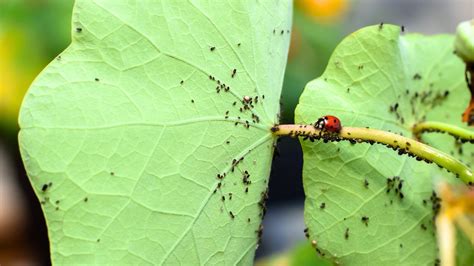
Before you can effectively deter pests, you need to know what you’re up against. Common garden culprits include aphids, slugs, snails, cabbage worms, tomato hornworms, squash bugs, and cucumber beetles. Regularly inspect your plants, especially the undersides of leaves, for signs of damage or the pests themselves. Early detection is crucial for organic control.
Preventative Measures: Building a Strong Defense
The best offense is a good defense. Proactive steps can significantly reduce pest pressure.
1. Healthy Soil and Plant Vigor
Robust, healthy plants are naturally more resistant to pests. Focus on building rich, living soil with plenty of organic matter. Proper watering, adequate sunlight, and appropriate nutrients will create strong plants better able to withstand attacks.
2. Companion Planting
Strategically planting certain herbs and flowers near your heirloom vegetables can confuse, repel, or trap pests. For example:
- Marigolds: Repel nematodes and other soil pests.
- Nasturtiums: Act as a trap crop for aphids, drawing them away from your vegetables.
- Garlic & Onions: Deter aphids, slugs, and Japanese beetles.
- Herbs (Rosemary, Basil, Mint): Many herbs have strong scents that confuse or repel various insects.

3. Crop Rotation
Avoid planting the same crop in the same spot year after year. Pests specific to certain plant families can build up in the soil. Rotating crops helps break their life cycles and prevents soil-borne diseases.
4. Garden Cleanliness
Remove weeds, fallen leaves, and plant debris where pests can hide or overwinter. A tidy garden reduces breeding grounds for many unwelcome guests.
Physical Barriers and Manual Removal
1. Row Covers
Lightweight, floating row covers can physically prevent insects from reaching your plants. They are particularly effective for protecting brassicas from cabbage moths or squash from vine borers. Ensure the edges are secured to the ground to prevent access.
2. Hand-Picking
For larger pests like tomato hornworms, slugs, snails, and squash bugs, the most effective method is often manual removal. Regularly walk through your garden and pick off pests, dropping them into a bucket of soapy water. Do this in the early morning or late evening when pests are most active.
3. Traps
- Slug Traps: Shallow dishes filled with beer or yeast water attract and drown slugs.
- Sticky Traps: Yellow sticky traps can catch flying insects like aphids, whiteflies, and fungus gnats.
Encouraging Beneficial Insects
Welcome natural predators into your garden! Many insects prey on common pests, creating a balanced ecosystem. Plant flowers that attract them, such as dill, cilantro, cosmos, and sunflowers.
- Ladybugs: Voracious eaters of aphids.
- Lacewings: Their larvae feed on aphids, mealybugs, and spider mites.
- Parasitic Wasps: Lay their eggs inside or on pests like caterpillars and aphids, eventually killing them.

Organic Sprays and Repellents (Use as a Last Resort)
While preventative measures are best, sometimes a targeted organic spray is needed. Always test on a small section of the plant first.
- Neem Oil: A natural insecticide, fungicide, and miticide derived from the neem tree. It disrupts insect feeding and growth.
- Insecticidal Soap: Effective against soft-bodied insects like aphids, spider mites, and whiteflies. It works by breaking down their protective outer layer.
- Garlic/Pepper Spray: A homemade repellent made by blending garlic or hot peppers with water and a little dish soap. The strong scent and taste deter pests.
Conclusion: Patience and Observation
Organically deterring pests from your heirloom vegetables is an ongoing process that requires patience, observation, and a willingness to learn from your garden. By creating a healthy soil environment, practicing smart planting, and welcoming beneficial insects, you’ll foster a resilient garden ecosystem where your heirloom treasures can flourish without the need for synthetic interventions. Enjoy the unique rewards of a truly natural harvest!