





What are the best DIY raised garden bed plans for beginner homesteaders?

For beginner homesteaders, establishing a productive garden can seem daunting, but raised garden beds offer an ideal solution. They simplify gardening, improve soil conditions, and provide a manageable space to learn the ropes. Choosing the right DIY plan can make all the difference, providing a rewarding experience without breaking the bank or requiring advanced carpentry skills.
Benefits of Raised Garden Beds for Homesteaders
Raised beds present numerous advantages, especially for those new to homesteading. They allow for better control over soil quality, as you fill them with your chosen mix, ensuring optimal nutrients and drainage. This often means higher yields in smaller footprints compared to traditional in-ground gardens. Furthermore, raised beds reduce weeding and pest problems, improve accessibility for planting and harvesting, and extend the growing season by warming up faster in spring.
Simple Wood-Frame Raised Beds: The Classic Choice
Perhaps the most popular and straightforward DIY raised bed plan involves constructing a simple wooden frame. Using untreated lumber like cedar, redwood, or even pine (treated with food-safe sealants if preferred) in dimensions like 2x6s or 2x8s, you can easily create a rectangular box. The construction typically involves cutting four boards to length and securing them at the corners with screws or corner brackets. Common sizes range from 4×4 feet to 4×8 feet, making them easy to reach across without stepping into the bed.

Cinder Block Beds: Durable and Easy
For those seeking a more permanent and virtually maintenance-free option, cinder block raised beds are an excellent choice. No cutting or complex assembly is required; simply stack the blocks to your desired height. The hollow cores of the blocks can even be filled with soil and used to plant herbs or small flowers, adding an extra layer of productivity and aesthetics. Cinder blocks are robust, readily available, and provide good insulation for the soil.

Straw Bale Gardening: An Unconventional Start
Straw bale gardening offers a unique, no-build approach to raised beds. While not a “bed” in the traditional sense, it functions similarly. You condition the straw bales over a period of weeks by adding nitrogen and water, allowing them to begin decomposing internally. This creates a warm, nutrient-rich growing medium directly within the bale itself. It’s a fantastic option for beginners with poor soil or limited space, as it requires minimal tools and can be started quickly.
Repurposed Material Beds: Sustainable & Cost-Effective
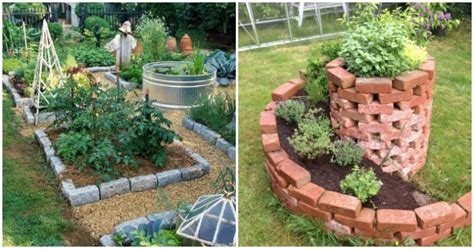
Homesteading often goes hand-in-hand with sustainability, and repurposing materials for raised beds is a prime example. Old pallets can be disassembled and rebuilt into raised bed frames, or galvanized metal troughs (water tanks) can be drilled for drainage and filled with soil. Even old tires, stacked and filled, can serve as individual planting pockets, though care should be taken with older tires to avoid chemical leaching. Always ensure repurposed materials are safe and non-toxic for growing edible plants.
Essential Tips for Beginner Raised Bed Gardeners
Once your raised bed is constructed, focus on filling it with a high-quality soil mix – a blend of compost, topsoil, and perlite or vermiculite is ideal. Ensure adequate drainage, either through gaps in your materials or a layer of hardware cloth at the bottom to deter pests. Water consistently, as raised beds can dry out faster than in-ground gardens. Finally, choose plants that are well-suited to your climate and are known for being forgiving, such as bush beans, lettuce, radishes, or cherry tomatoes.

Embarking on your gardening journey with a DIY raised bed is a smart move for any beginner homesteader. With these simple and effective plans, you can quickly establish a thriving garden that provides fresh produce and a profound sense of accomplishment. Happy growing!