



Best BTS tip for showing real food mess & country life grit without losing your aesthetic?

Embracing Authentic Grit While Upholding Your Visual Brand
In the world of content creation, especially for those depicting rustic lifestyles or culinary adventures, there’s a constant tension: how do you portray the raw, authentic beauty of real food preparation and country living—the glorious mess, the weathered textures—without compromising the polished aesthetic your audience expects? It’s a delicate balance, but entirely achievable with strategic planning and a keen eye.
The Power of Intentional Imperfection
True authenticity resonates deeply. Showing the flour dust on a farmhouse table, the splashes of sauce from a vigorously stirred pot, or the mud on boots after a day’s work on the farm adds layers of relatability and trust that a perfectly pristine scene can’t replicate. It communicates that your content is real, lived experience, not just a staged fantasy. The trick isn’t to hide the mess, but to integrate it purposefully into your visual narrative.

Strategic Framing and Composition: Your Best Friends
This is where artistry meets reality. Instead of wide shots that might reveal overwhelming clutter, focus on tighter compositions. Frame your shots to highlight the “messy” elements as part of a larger, appealing whole. A close-up of dough-dusted hands kneading, with a scattering of flour on a wooden board, tells a story of creation and effort. Use leading lines or the rule of thirds to draw the viewer’s eye to the intended focal point, even if that includes purposeful disarray.
Consider the background elements. A genuinely lived-in farmhouse kitchen might have an unwashed dish in the sink, but ensuring the rest of the background isn’t distracting or overly chaotic maintains a sense of control. Think about depth of field; a shallow depth can blur out less desirable background elements while keeping your messy but beautiful subject sharp.
Leverage Lighting to Your Advantage
Good lighting can elevate anything, even a “mess.” Natural light is often the best choice for achieving that authentic, warm country feel. Position your subjects so that light highlights textures—the sheen of spilled jam, the crumbles of pastry, the rich patina of well-used tools. Side lighting or backlighting can add dramatic shadows and depth, making the grit appear more artistic and less haphazard. Avoid harsh, direct light that can flatten your image and expose every single flaw in an unflattering way.

Curated Clutter: It’s Not Random
While the goal is to show real mess, it doesn’t mean allowing total chaos. Think of it as “curated clutter.” A few strategically placed drips or crumbs are charming; a completely trashed workspace is not. Before you shoot, do a quick “edit” of the mess. Remove anything truly unsightly or distracting that doesn’t contribute to the story. Perhaps a beautifully worn wooden spoon left casually beside a bowl of half-chopped vegetables looks great, while a plastic wrapper does not. The aim is to create a scene that feels authentic and lived-in, but still aesthetically pleasing.
Show the Process, Not Just the Product
Behind-the-scenes content is inherently about the journey. Embrace the “before,” the “during,” and the “aftermath.” A series of shots or a video montage showing the progression from raw ingredients to a delicious, messy cooking process, and then perhaps the final (still a bit messy) plated dish, tells a compelling story. The “mess” becomes part of the narrative arc, a testament to effort and passion, rather than an accidental blemish.
Subtle Post-Production Enhancement
Finally, a touch of post-production can refine your raw footage without sanitizing its authenticity. Adjusting contrast, color grading to evoke a warmer, more rustic feel, or gently sharpening textures can enhance the visual appeal of your “messy” elements. The key is subtlety. You’re not trying to erase the grit, but to present it in its best possible light, ensuring it aligns with your overall brand aesthetic. A slight vignette, for example, can draw attention to the central, authentic elements.
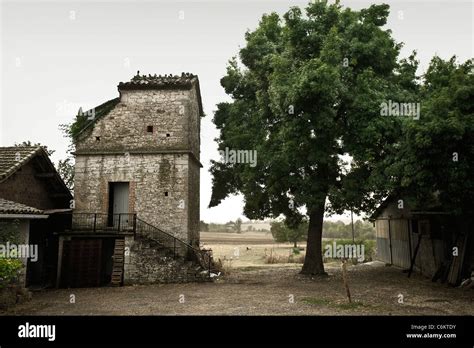
Conclusion: Authenticity with an Artistic Eye
Showing the real food mess and country life grit doesn’t mean sacrificing your aesthetic. It means understanding that authenticity itself can be beautiful. By employing strategic framing, mindful lighting, curated clutter, and subtle post-production, you can capture the true essence of your lifestyle or craft. You’ll not only maintain your visual brand but also deepen your connection with an audience hungry for real, relatable stories, imperfections and all.