




What organic methods combat squash bugs in a backyard vegetable garden?

Squash bugs (Anasa tristis) are a notorious menace for gardeners growing squash, pumpkins, and other cucurbits. These sap-sucking insects can quickly decimate plants, leaving behind wilted leaves and stunted fruit. For those committed to organic gardening, chemical pesticides are out of the question. Fortunately, a variety of effective, environmentally friendly methods can help protect your precious harvest.
Identifying and Understanding the Enemy
Before you can combat squash bugs, you need to know what you’re up against. Adult squash bugs are typically greyish-brown, about 5/8 inch long, with a somewhat flattened body. They often hide at the base of plants or under leaves. Their eggs are small, oval, and bronze-colored, laid in clusters on the undersides of leaves, often in a neat, orderly fashion. Nymphs (young squash bugs) are pale green with black legs, gradually darkening as they mature.
Squash bugs feed by piercing plant tissue and sucking out vital sap, which disrupts water and nutrient flow. This feeding damage leads to yellowing leaves, wilting (often mistaken for lack of water), and eventually plant death, a condition sometimes called “Anasa wilt.”

Proactive Organic Prevention Strategies
The best defense against squash bugs is a strong offense, focusing on prevention and creating an inhospitable environment for them.
1. Crop Rotation
Never plant cucurbits in the same spot year after year. Squash bugs can overwinter in garden debris and soil, ready to emerge in spring. Rotating crops to different beds at least 10-15 feet away helps break their life cycle by forcing them to travel further or seek new hosts.
2. Companion Planting
Certain plants can deter squash bugs or attract beneficial insects. Marigolds, nasturtiums, calendula, and catnip are often cited as deterrents. Radishes can also be planted as a trap crop, luring squash bugs away from your main plants, after which the radishes can be destroyed along with the pests.
3. Garden Sanitation
Keep your garden free of weeds and debris where squash bugs can hide and overwinter. At the end of the growing season, remove all spent squash plants and dispose of them, preferably not in your compost pile if they were heavily infested, to prevent overwintering adults from returning next year.
4. Physical Barriers (Row Covers)
Floating row covers are an excellent physical barrier to prevent adult squash bugs from reaching your young plants and laying eggs. Apply them immediately after planting and secure the edges firmly. Remember to remove them when plants begin to flower to allow for pollination by bees and other beneficial insects. If you hand-pollinate, you can keep the covers on longer.

Direct Organic Control Methods
Once squash bugs have found their way into your garden, more direct intervention may be necessary.
1. Hand-picking and Egg Removal
This is one of the most effective, albeit labor-intensive, methods for smaller gardens. Regularly inspect the undersides of leaves, especially near the base of the plant, for adult bugs and egg clusters. Hand-pick adults and drop them into a bucket of soapy water to drown. Scrape off egg clusters with your fingernail or a piece of tape and crush them or drop them into soapy water. This must be done daily or every other day for best results.

2. Attracting Beneficial Insects
Some insects are natural enemies of squash bugs. The Tachinid fly (Trichopoda pennipes) is a parasitic fly that lays its eggs on squash bugs, eventually killing them. Plant dill, cilantro, fennel, and other small-flowered plants to attract these beneficial allies to your garden.
3. Organic Sprays
- Insecticidal Soap: Commercial insecticidal soaps (or a homemade version using mild dish soap and water) can be effective against young nymphs. They work by smothering the insects. Apply directly to the bugs, ensuring thorough coverage, especially on the undersides of leaves. Repeat every 5-7 days as needed.
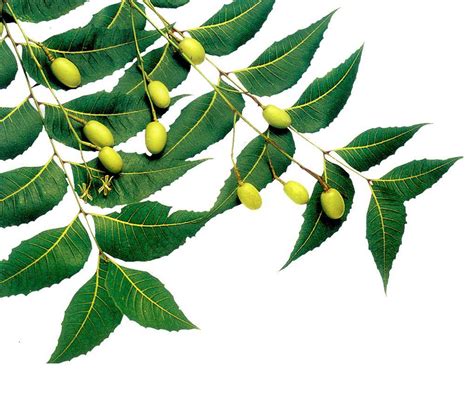
- Neem Oil: Derived from the neem tree, neem oil acts as an anti-feedant, repellent, and growth disruptor for many pests, including squash bugs. Mix according to package directions and spray thoroughly, again focusing on nymphs and adults. Apply in the late evening to avoid harming beneficial insects and to prevent leaf burn.
4. Trap Cropping (Advanced)
Beyond simple companion planting, dedicated trap crops can be highly effective. Plant a more attractive host plant, such as Blue Hubbard squash, early in the season away from your main crop. Squash bugs will gravitate towards it. Once they’ve congregated, you can destroy the trap crop (along with the bugs) or use hand-picking and organic sprays on that specific patch, sparing your primary plants.
An Integrated Organic Approach
No single method is a magic bullet against squash bugs. The most successful organic control strategies involve combining several techniques. Start with prevention: crop rotation, garden sanitation, and row covers. Then, diligently scout your plants for early signs of infestation. When detected, employ hand-picking and egg removal immediately. Supplement with beneficial insect attractants and targeted organic sprays as needed. Consistency and vigilance are key to keeping these persistent pests at bay.

Conclusion
While squash bugs can be a frustrating challenge for any organic gardener, a combination of proactive prevention and diligent organic control methods can effectively protect your cucurbit crops. By understanding their life cycle and consistently applying these strategies, you can enjoy a bountiful harvest free from the damage of these common garden pests, all while maintaining a healthy, chemical-free backyard ecosystem.